The right table saw fence system can dramatically improve accuracy, repeatability, and safety in woodworking. This guide reviews five top-rated fences, spanning classic steel designs, modular systems, and extendable rails. Each product highlights durability, alignment features, and compatibility with common saws. Use the buying guide below to compare key considerations like compatibility, extendability, and installation ease to choose the best fence for your workshop needs.
| Product | Brand | Length / Reach | Key Benefit |
|---|---|---|---|
| Delta 36-T30T3 | Delta | 30 in. fence, 37 in. overall | Three-point locking for precise parallelism |
| Delta T3 Biesemeyer Fence Body | Delta | Standard body (fits various setups) | Durable steel construction, repeatable accuracy |
| Vega U50 | Vega | 36 in. fence bar, 50 in. to right | Wide reach with micro-adjust and robust steel build |
| Vega U26 | Vega | 36 in. fence bar, 26 in. to right | Balanced size for mid-sized machines |
| BOW XT XTENDER 46” Fence | BOW Products | 46 in. fence with T-slots | Multiple T-slots for accessories and extended surface |
Delta 36-T30T3 Fence System
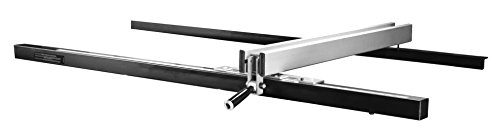
The Delta 36-T30T3 fence system uses a one-piece square tubular rail for rigidity and consistent alignment. It offers a maximum rip left of the blade of 13-1/2 inches and 30 inches to the right, with the fence length at 37 inches and rail length 57-1/2 inches. The fence height is 2-1/2 inches, and the mounting design is compatible with Delta table saws. This kit includes the main fence, steel guide tube with a scale, front and rear support rails, and mounting hardware. A three-point locking system with twin hairline pointers helps ensure the fence stays parallel to the blade within 1/64 of an inch (0.4 mm). This setup prioritizes repeatable cuts and straightforward alignment in daily use.
Pros: Strong rail construction, precise parallelism, and a comprehensive mounting package. Cons: Installation may require attention to alignment and calibration checks after setup. This fence is well-suited for users who want a reliable, Delta-branded addition to their table saw ecosystem.
Delta – T3 Biesemeyer Fence Body

The Delta T3 Biesemeyer Fence Body emphasizes durability and accuracy through a steel construction of 0.083-gauge steel. The design focuses on reliable performance and repeatability, reducing the need to constantly square the fence with a hand-held tape. This fence body complements Delta’s T3 system for consistent alignment and long-term stability, delivering dependable performance for a range of cuts. The robust build supports continued use in professional settings or serious hobby shops where fence rigidity matters most.
Pros: High durability, repeatable setup, and ease of use with existing Delta systems. Cons: May require pairing with a compatible fence rail or mounting components if expanding an existing setup. Ideal for woodworkers prioritizing long-term accuracy and rugged construction.
Vega U50 Table Saw Fence System

The Vega U50 is a versatile fence system with a 2-1/2-inch tall fence and a 36-inch fence bar, extending to 50 inches to the right of the blade. It includes micro-adjustment features and an auxiliary table support, all built from steel for durability. Assembly is required, but the system is designed to fit a variety of saws, making it a practical upgrade for workshops with mixed equipment. The extended right-hand reach is particularly helpful for wide stock or dados, providing improved workflow and control.
Pros: Wide reach and micro-adjustment for precise alignment. Cons: Assembly complexity may vary by saw model. The system is especially suitable for users needing greater clearance to the right of the blade for larger workpieces.
Vega U26 Table Saw Fence System
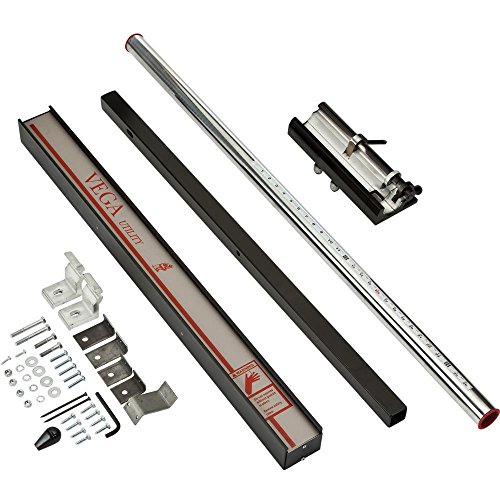
The Vega U26 follows Vega’s practical fence design with a 36-inch fence bar and a 26-inch reach to the right of the blade, plus 8 inches to the left of the blade. It includes micro-adjustment and an auxiliary table support. The fence is constructed in steel, indicating a sturdy build that resists flex and maintains alignment over time. Assembly is straightforward, and the configuration is well-suited for mid-sized saws and workshops needing a compact yet capable fence solution.
Pros: Compact footprint with reliable precision and straightforward setup. Cons: Shorter right-hand reach than some extended fences; best for standard stock sizes in mid-sized shops.
BOW XT XTENDER Fence (46”)

The BOW XT XTENDER Fence expands the table surface with a 46-inch fence that stands 5 inches tall and includes three T-slots along the top for feed control accessories. It features milled clamp attach slots for multi-position setups and a slot to attach to Delta UniFence and Harvey fences. The fence is an aluminum extrusion with an anodized finish for durability. This system is designed to extend the reach of smaller or portable tables, improving stability and control for wide or complex cuts. It supports adding XT Feed Supports for additional surface area.
Pros: Highly versatile with multiple T-slots and compatibility with other fences. Cons: Requires additional clamps or accessories for full functionality. Best for expanding small work surfaces and enabling more feed control options in smaller shops.
Buying Guide: Key Considerations When Choosing a Table Saw Fence
Choosing the right fence involves balancing durability, compatibility, and workflow needs. Consider the following factors to guide your decision:
- Fence reach and capacity: Determine how far you need to the left and right of the blade. Extended right-side fences are useful for wide sheets, while compact fences suit small shop setups.
- Material and rigidity: Steel and aluminum fences resist flexing, helping maintain precise alignment during cuts. Look for solid rails and locking mechanisms that hold position firmly.
- Locking and parallelism: A reliable three-point or equivalent locking system ensures the fence stays parallel to the blade. Hairline pointers or calibrated scales help with repeatable setups.
- Compatibility: Ensure the fence is compatible with your table saw brand and model or offers a modular design that can adapt to different saws and accessories.
- Accessories and expansion: Fences with built-in T-slots or accessory compatibility (feed supports, auxiliary tables) can improve control and reduce the need for additional accessories.
- Installation and maintenance: Some fences require more setup time but offer longer-term stability. Consider how easy it is to adjust, calibrate, and service over time.
- Budget and value: While higher-end fences deliver precision and versatility, evaluate whether the added features align with your projects and workload.
For workshop setups requiring precise parallelism and repeatability, Delta’s classic and T3 bodies offer solid reliability, while Vega fences provide extended reach and straightforward adjustability. The BOW XTENDER presents a flexible option for expanding smaller work surfaces and integrating with other fences. Weigh your space, typical stock sizes, and preferred accessories to select the fence that best matches your workflow, tool lineup, and future expansion plans.