When cutting epoxy materials, choosing the right saw blade is crucial for clean edges, minimal chipping, and extended tool life. The following blades are selected for performance on epoxy composites, plastics, and reinforced materials often encountered with epoxy projects. This guide compares teeth design, kerf, and durability to help you pick the best blade for your setup and budget.
| Product | Blade Type | Teeth | Diameter / Arbor |
|---|---|---|---|
| Craftsman CMAS2725140 | Fine Finish Circular Saw Blade | 140 | 7-1/4″ / 1/0″ |
| Benchmark Abrasives 7-1/4″ TCT | Tungsten Carbide Tipped | 80 | 7-1/4″ / 5/8″ |
| WEN BL1080 | Carbide-Tipped Finishing Blade | 80 | 10″ / 5/8″ |
| CRALY C07140WB-2 | 7-1/4″ 140T Thin Kerf | 140 | 7-1/4″ / 5/8″ |
| FOXBC 80-Tooth TCG | TCG Aluminum/Non-Ferrous Metal Blade | 80 | 10″ / 5/8″ |
Note: For epoxy composites, blades with carbide tips, fine tooth counts, and thin kerfs generally perform best by reducing heat buildup and ensuring crisp edges. Always verify blade compatibility with your saw model and the specific epoxy formulation you’re cutting.
CRAFTSMAN 7-1/4 Inch 140 Tooth Fine Finish Blade

Product highlights: Fully hardened plate to maintain true cuts, precision-ground teeth for smooth, accurate finishes, and heavy-gauge high carbon steel for extended life. This blade is designed for plywood, OSB, and plastic, offering clean edge quality that benefits epoxy applications where edge finish matters. It’s a strong all-around choice when working with epoxy resin components combined with wooden or plastic substrates.
Benchmark Abrasives TCT 7-1/4″ Blade

Product highlights: Tungsten carbide tipped, designed for non-metals including plastic, PVC, fiberglass, and aluminum; offers clean, burr-free cuts with extended blade life. The carbide tips enhance durability when cutting epoxy-laden substrates that may include fiberglass laminates or reinforced plastics often used with epoxy systems. Industrial-grade construction ensures consistent performance across projects.
WEN BL1080 80-Tooth Ultra-Fine Finish Blade
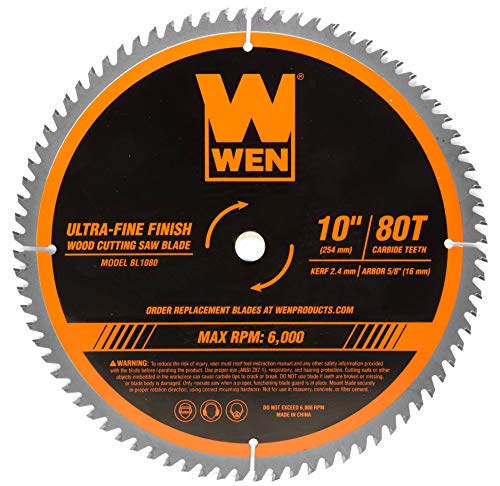
Product highlights: 10-inch diameter with a 5/8-inch arbor and up to 6000 RPM, ultra-thin kerf of 1/10 inch (2.4 mm) for clean, efficient cuts. This blade is well-suited for hardwoods and certain plastics when epoxy components require precision bevels or trims. The thin kerf reduces heat generation and material resistance, helping protect epoxy edges from chipping when cutting through reinforced laminates.
CRALY 7-1/4 Inch 140T Thin Kerf Blade

Product highlights: 7-1/4 inch diameter, 140 teeth, and a 5/8 inch arbor, with a 2.0 mm kerf. Tough steel teeth extend blade life, while the thin kerf design minimizes burrs and reduces power requirements for faster, cleaner cuts. This blade is particularly useful when trimming epoxy-treated plywood or plastic panels where tight tolerances matter.
FOXBC 80-Tooth TCG Aluminum/Non-Ferrous Blade

Product highlights: 10-inch blade with 80 teeth; designed for aluminum, non-ferrous metals, and plastics. Features laser-cut stabilizer vents to reduce vibration and enhance accuracy. Constructed from high-density tungsten carbide, offering wear resistance and long life. Useful when epoxy projects incorporate metal or lightweight plastic components that require precise, clean cuts with minimal edge damage.
FOXBC 100-Tooth TCG Aluminum Blade
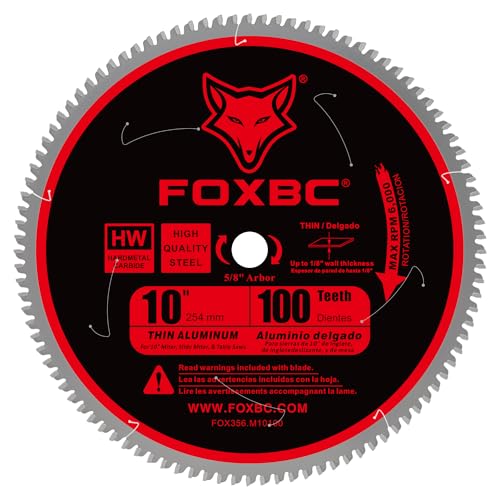
Product highlights: 10-inch blade with 100 teeth tuned for aluminum and non-ferrous metal cutting; kerf around 0.095 inch. The tungsten carbide construction supports longer life and consistent finishes on soft metals or composite materials that include aluminum layers. Suitable for trimming epoxy composite panels with metal reinforcements or connectors.
Casaverde 2-Piece Diamond Porcelain Blades
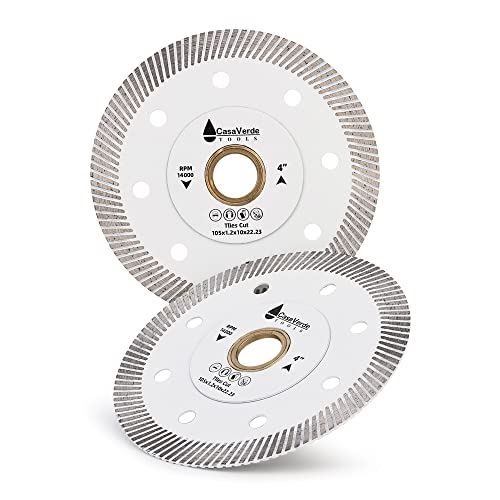
Product highlights: Diamond blades designed for porcelain, ceramic tile, and related materials. While primarily intended for tile and stone, these blades offer exceptional edge quality on hard epoxy composites containing ceramic or silica elements. Wet or dry cutting options provide versatility for epoxy projects that require precise tile or panel trimming.
Buying Guide: Key Purchase Considerations For Cutting Epoxy
Choosing the right blade depends on substrate, epoxy composition, machine compatibility, and desired finish. Consider the following perspectives when selecting a blade:
- Material compatibility: For epoxy composites paired with wood, plastic, or fiberglass, carbide-tipped blades provide durability and clean edges. For metal-reinforced epoxy, non-ferrous blades with carbide tips are often best.
- Tooth count and kerf: Higher tooth counts and thinner kerfs typically yield smoother edges and reduced chipping in epoxy laminates. However, very fine teeth cut slower; balance speed and finish quality for your project.
- Blade durability vs. cost: Tungsten carbide tips extend blade life on hard laminates but may cost more upfront. For frequent epoxy work, invest in blades designed for plastics or composites.
- Arbor and compatibility: Verify arbor size (commonly 1/2 inch or 5/8 inch) and diameter match with your saw. Some blades include anti-vibration features to improve stability in long cuts.
- Cutting technique: Use steady feed pressure, avoid forcing the blade, and consider a slow ramp to minimize heat buildup. For delicate epoxy layers, you may prefer a finish cut with a fine-tooth blade.
Comparison of blade types helps identify the best match for epoxy work: fine-tooth carbide blades with a thin kerf deliver clean finishes; carbide-tipped versatile non-metal blades handle plastics and laminates; and diamond blades excel on ceramic-infused epoxy composites. Always follow tool manufacturer guidelines for optimal results.