When hurricane season looms, having dependable backup power is essential. This guide highlights top portable power stations, solar generators, and emergency radios that deliver stable energy, charging versatility, and practical safety features. Each option below balances portability with sufficient outputs to run essential devices during outages and outdoor emergencies.
Summary of Selected Products
- SinKeu 300W Portable Power Station, 260Wh
- Upusa Solar Generator With Panels Included
- POWSTREAM Portable Power Station 88.8Wh
- WEN DF450i Inverter Generator
- NPET Emergency Solar Hand Crank Radio
Product Comparison Table
| Product | Key Capacity | Output Options | Primary Use | Special Features |
|---|---|---|---|---|
| SinKeu 300W Portable Power Station | 260Wh | 2× AC, USB, USB-C, DC, car, wireless | Outdoor power, home outage | All-in-one power with solar recharge compatibility |
| Upusa Solar Generator With Panels Included | 2500mAh (panel-linked) | DC/USB, AC charging | Emergency power backup for home and camping | Panels included, LED lighting |
| POWSTREAM Portable Power Station | 88.8Wh | 8 ports including AC, USB, USB-C | Compact outdoor power and RV trips | Lightweight with LED flashlight and SOS mode |
| WEN DF450i | 4500 surge / 3500 rated watts | Gasoline/Propane dual fuel | Home backup and larger outdoor needs | Auto fuel selection, ultra-quiet |
| NPET Emergency Solar Hand Crank Radio | Backup power via multiple modes | AM/FM/NOAA, USB charging | Weather updates and critical communications | SOS alarm, multiple charging modes |
SinKeu 260Wh Portable Power Station

The SinKeu portable power station offers a 260Wh/70400mAh lithium battery with two 110V AC outlets (300W total). It provides noiseless operation and is suitable for laptops, cameras, drones, lights, CPAP machines, and more during outages or outdoor trips. Multiple outputs include USB ports, a USB-C, DC ports, a car port, and even a 10W wireless charger. Recharge options include wall AC, solar, or car charging, making it a flexible option for hurricane readiness and remote power needs.
Upusa Solar Generator With Panels Included
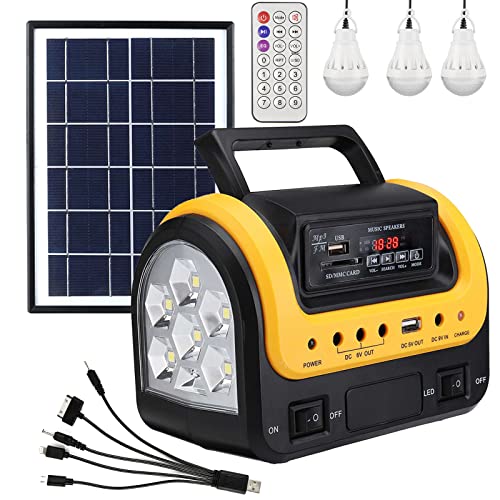
This model combines a portable solar generator with included solar panels and built-in LED lighting. It features DC/USB outlets suitable for charging mobiles, e-books, cameras, and small devices. The design emphasizes durability and long life with a battery capable of thousands of cycles, and it supports dual charging methods—solar and AC—for versatile hurricane season readiness. It is positioned as a reliable home emergency backup for basic electronics and lighting during outages or camping.
POWSTREAM Portable Power Station
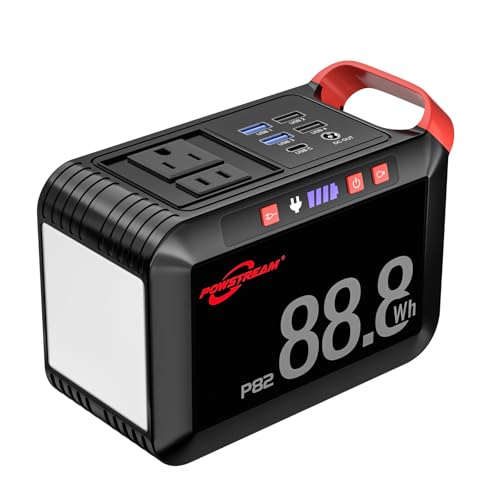
The POWSTREAM unit provides 88.8Wh of capacity and 8 output ports, including two AC outlets with a peak of 120W. At roughly 2.4 pounds, it is highly portable for camping, emergencies, or RV use. It incorporates an LED flashlight with multiple brightness levels and an SOS mode for nighttime visibility and signaling. It’s ideal for charging phones, tablets, cameras, and small devices during outages or outdoor activities.
WEN DF450i Dual Fuel Inverter
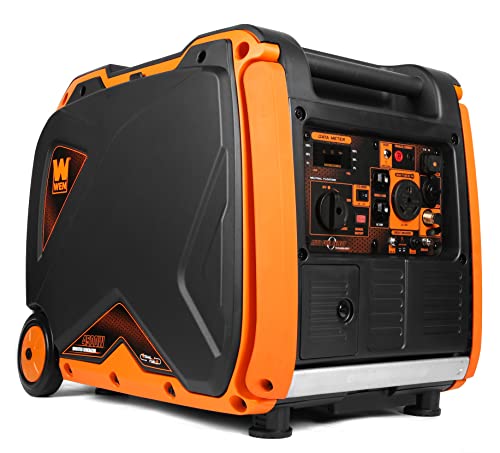
The WEN DF450i is a dual-fuel (gasoline or propane) inverter generator designed for quiet operation and efficiency. It delivers 4500 surge watts and 3500 rated watts on gasoline, with slightly lower figures on propane. The unit features Auto Fuel Selection for longer run times and complies with EPA III and CARB standards. It’s suitable for home backup power during outages and for powering multiple devices at campsites or job sites where noise and emissions are a concern.
NPET Emergency Solar Hand Crank Radio
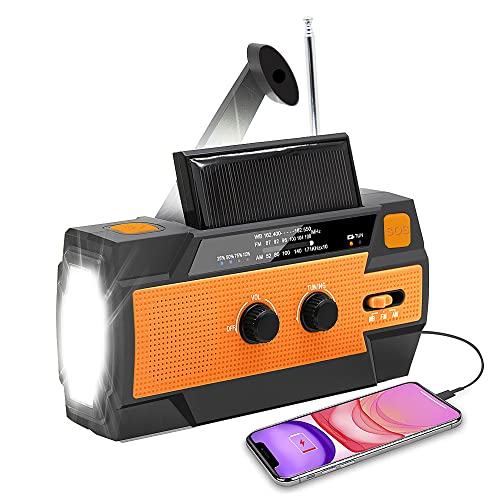
The NPET emergency radio covers AM/FM and NOAA weather bands, providing crucial weather updates during storms. It includes a 1W LED flashlight and a USB charging option for mobile devices. With multiple charging modes (micro USB, solar, and hand-crank), it can operate for days after a storm, ensuring access to information and basic lighting even when electrical power is unavailable. It serves as a compact, reliable communications tool for hurricane season preparedness.
Buying Guide: Key Considerations And Comparisons
- Power needs: Assess your essential devices (phones, radios, CPAP, laptop) and determine total wattage required. Choose units with a comfortable margin above your expected draw.
- Output versatility: Look for a mix of AC, USB, USB-C, and DC ports. Solar charging capabilities add resilience for extended outages.
- Recharge options: Favor devices that can recharge from wall outlets, solar panels, and vehicle adapters to maximize readiness during storms.
- Run time and durability: Higher capacity (Wh) translates to longer run times but heavier units. Balance portability with endurance for your use case.
- Noise and emissions: In neighborhoods impacted by storms, quieter generators reduce disruption and are often more suitable for indoor or semi-enclosed spaces.
- Emergency features: Built-in LED lights, SOS modes, and weather radios add value during hurricanes and outages.
- Maintenance and safety: Dual-fuel options offer versatility, while battery safety features and certifications (EPA/CARB compliance) support safer operation.
- Portability versus power: Smaller units are easy to carry, but higher-capacity models better safeguard against longer outages. Consider combining a lightweight unit with a solar panel kit for flexible power.
- Price-to-performance: Evaluate total cost against available outputs, recharge speed, and warranty. Longer-term durability often justifies higher upfront costs during hurricane seasons.
- Compatibility: If you already own a solar power ecosystem, verify panel compatibility and input requirements to ensure seamless integration.