Finding an affordable, reliable portable generator can be a smart move for camping, home backup, or travel. This guide highlights five budget-friendly options that balance cost with performance, durability, and portability. Each pick supports essential devices and offers practical charging and runtime features without breaking the bank. Use the quick reference table below to compare core specs at a glance, then dive into detailed product highlights to see which model fits your needs.
| Product | Type | Approximate Output | Best For |
|---|---|---|---|
| Jackery Portable Power Station Explorer 300 | Battery/Portable Power Station | 300W (AC) | Lightweight camping and small electronics |
| AMERISUN 2500-Watt Gas Portable Inverter Generator | Gas-Powered | 1900 running watts | Home backup and camping with higher power needs |
| WEN 11,000-Watt Dual Fuel Inverter (DF1100T) | Gas/Propane | 8,300 running watts | Home backup and larger loads |
| WEN Quiet 3600-Watt Dual Fuel Inverter (DF360iX) | Gas/Propane | 2,900 running watts | Quiet operation for camping and RV use |
| Anker SOLIX C1000 Gen 2 | Portable Power Station | 2,000W (3,000W peak) | Emergency backup and off-grid activities |
Jackery Explorer 300: Lightweight Power On The Go
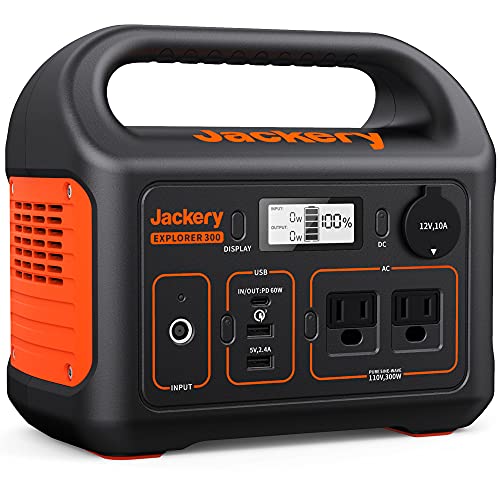
The Jackery Explorer 300 provides a compact energy solution with a 293Wh lithium battery suitable for camping or small devices. It features 2 Pure Sine Wave AC outlets that deliver stable power, and a total of multiple ports including USB-C and USB-A. It recharges quickly via wall outlets or car adapters, and can be paired with a solar panel for off-grid recharging. At roughly 7.1 pounds, it’s easy to carry on hikes or road trips while offering enough juice to recharge drones, cameras, or laptops in field scenarios.
AMERISUN 2500-Watt Gas Portable Inverter Generator

This AMERISUN model combines higher power with portability, ready to support a refrigerator, lights, and other essentials. It weighs about 39.7 pounds and includes a comfortable carrying handle for easy transport. With a quiet operation profile, it balances performance with camping or RV use, offering reliable power for mid-size appliances and electronics during emergencies or outdoor adventures.
WEN DF1100T 11,000-Watt Dual Fuel Generator
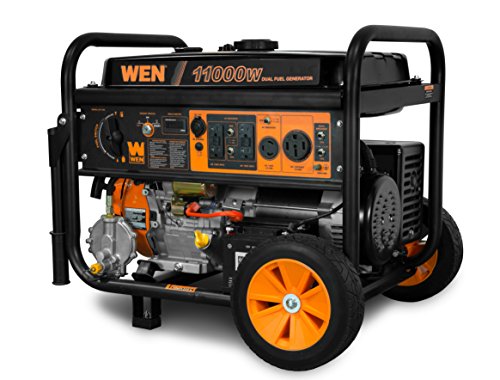
The DF1100T offers dual-fuel versatility with 11,000 surge watts and 8,300 running watts on gasoline, plus propane options. It supports 120V and 240V outputs, making it suitable for transfer switches and larger emergency loads. An electric start adds convenience, and the robust engine helps sustain power for longer backup scenarios. This model suits users seeking substantial temporary electricity during outages or for larger outdoor setups.
WEN Quiet 3600-Watt Dual Fuel Inverter (DF360iX)

The DF360iX uses dual fuel to offer flexibility with gasoline or propane while staying compact and quiet. It delivers up to 2,900 running watts and includes features that protect sensitive electronics. At a lower noise level relative to many full-size generators, it’s well-suited for use at campsites, in RV parks, or as a portable home backup option when quiet operation matters most.
Anker SOLIX C1000 Gen 2 Portable Power Station

The Anker SOLIX C1000 Gen 2 is a compact, high-efficiency power station with 2,000W continuous output and up to 3,000W peak. It recharges quickly via 1,600W input and supports up to 10 devices simultaneously. The LiFePO4 battery offers improved longevity and safety, making it a solid option for home backup, remote work setups, and outdoor adventures where fast reuse and reliability are priorities.
Buying Guide: Key Considerations For Choosing A Budget Portable Generator
- Power needs: Assess the total wattage of devices you intend to run. For essential electronics or small appliances, a 300–2,000W portable unit often suffices. For refrigerators, sump pumps, or power tools, consider mid-range or dual-fuel options with higher peak and running wattage.
- Fuel type and availability: Gasoline generators offer strong runtime and power but require fuel storage and ventilation. Dual-fuel models can run on propane as an alternative, sometimes offering quieter operation and simpler refueling in certain environments.
- Portability vs. runtime: Lighter units are easier to carry but may provide less runtime. Heavier generators typically offer longer operation between refuels—balance weight with your mobility needs and planned usage times.
- Noise and emissions: Quiet operation is valuable in campgrounds and residential areas. Look for units with low decibel ratings and clean power output to protect sensitive electronics.
- Outlets and charging options: Ensure the model provides the outlets you need (AC, USB-C, USB-A, 12V, RV ports, etc.). For power stations, check the total AC wattage, inverter quality, and recharging speed.
- Safety features: CO sensors, automatic shutoff, and robust overload protection add peace of mind, especially for home backup and indoor use in garages or workshops.
- Durability and warranty: Consider build quality and included accessories such as wheels, handles, and yard-friendly accessories. Warranty terms can indicate long-term reliability and customer support.
- Solar compatibility: If off-grid charging is important, verify solar panel compatibility and input rates. Some models come with or support optional solar panels for rapid recharge in outdoor settings.
Each model listed above offers a different balance of power, portability, and price. When selecting, map your essential devices, focus on the most critical power needs, and choose a unit that aligns with your typical usage scenario—camping, home backup, or outdoor worksite.