Quick Overview: Cutting notches in wood requires tools that provide accurate profiles, clean cuts, and safe handling. Below is a summary table of the five selected Amazon products that are most relevant to creating notches, trimming moldings, and duplicating shapes for perfect fits.
| Product | Key Use | Brand |
|---|---|---|
| Contour Gauge 10 Inch | Copy Irregular Shapes For Templates | Lambor Studios |
| BELLOYON Multi Angle Miter Shear Cutter | Snipping Soft Wood, Trim, And Molding At Angles | BELLO YON |
| Pitsco Education Timber Cutter | Precise Horizontal & Angled Cuts On Balsa/Soft Wood | Pitsco Education |
| HURRICANE 4 Piece Wood Chisel Set | Cleaning And Paring Notches, Finish Work | HURRICANE |
| Hutsuls Wood Carving Tools Set | Detail Carving, Small Notches, And Relief Work | Hutsuls |
Contour Gauge 10 Inch, Widen Plastic Profile Gauge Duplicator
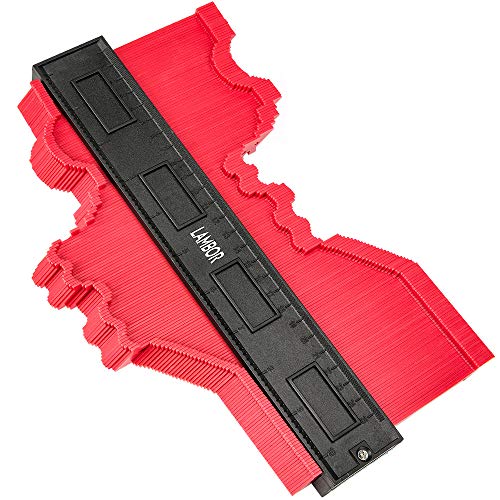
Use Case: Creating templates to transfer irregular or curved profiles before cutting notches or fitting trim. This tool helps ensure the notch or recess matches the mating surface precisely.
- Wider 10-inch Design Copies larger profiles for more accurate templates.
- Time Saver Presses to shape and transfers contours directly to wood—reduces measuring and guesswork.
- Durable ABS With Dual Markings Inch and centimeter graduations help with layout and alignment.
BELLOYON Multi Angle Miter Shear Cutter, Hand Tools for Cutting Soft Wood

Use Case: Fast trimming of soft wood, molding, quarter round, and small trim pieces when preparing pieces to fit into a notched area or when shaping trim to match recesses.
- SK5 Steel Blades Designed for softwood and trim—keeps edges clean when snipping small sections.
- Adjustable Angle Guide Settings from 45° to 135° let you produce precise angled cuts for miters and corner notches.
- Ergonomic, Anti-Slip Handles Provide control when cutting small profiles and repetitive snips.
Pitsco Education Timber Cutter, Precise Horizontal and Angular Cuts

Use Case: Reliable for small-scale notches and straight or angled cuts in lightweight woods (balsa, basswood) often used in model-making or prototype joinery prior to full-size execution.
- Safety Guard Clear shield protects fingers while allowing line-of-cut visibility.
- Single-Edged Razor Blade Produces a clean cut in thin softwood stock—reduces splintering when preparing notch edges.
- Miter Marks Built-in guides for repeatable angled cuts and consistent notch geometry.
HURRICANE 4 Piece Wood Chisel Set For Woodworking

Use Case: Trimming, paring, and cleaning out notches after the bulk material has been removed by saw or router. Chisels refine corners and ensure flat bottoms and crisp shoulders in notches.
- Drop-Forged CR-V Steel Blades Heat-treated edges suitable for paring and mallet work on both soft and harder woods.
- Beveled 25° Edge Offers versatility for fitting into corners and cleaning angled parts of notches.
- Ergonomic PVC Handles Comfortable grip for controlled paring and repetitive trimming tasks.
Hutsuls Wood Carving Tools Set – 12 pcs Mini Wood Chisel Beginner Kit
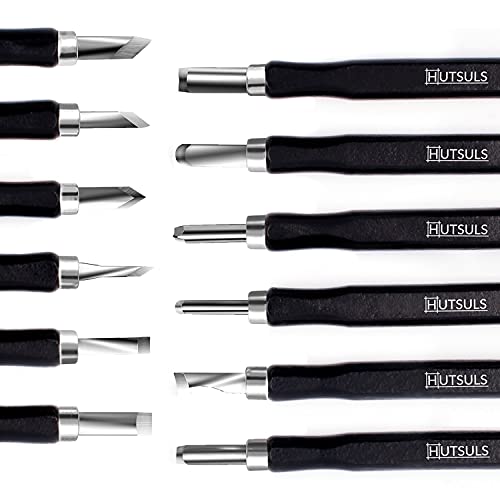
Use Case: Small-scale notch work, relief cuts, and detail shaping where precision and varied tip profiles are required. Useful for dovetails, grooves, and decorative notch details.
- Varied Tip Shapes Multiple blade profiles let you tackle tight corners, V-grooves, and small recesses.
- Beginner-Friendly Designed for controlled detail work—helpful when working on delicate notch edges.
- Portable Kit Handy set for on-site adjustments or intricate corrections after rough cutting.
Buying Guide: Choosing The Right Tool For Cutting Notches In Wood
Define The Notch Type And Material — Determine notch depth, width, and the wood species. Softwoods and thin stock can be cut with shears and razor cutters; hardwoods and deep notches typically require saws, routers, and chisels for finishing.
Template And Profile Matching — Use a contour gauge or profile duplicator when the notch must match an irregular surface (pipe, rounded joist, or existing molding). Accurate templates prevent rework and reduce sanding time.
Bulk Removal Versus Finishing — Select a method for removing most material (saw, router, or multi-angle cutters) and separate tools for cleanup (chisels, carving knives). Routers and saws remove bulk faster; chisels paring ensures crisp shoulders.
Angle And Miter Needs — If the notch interfaces with angled trim, an adjustable miter shear or miter guide helps produce repeatable angled cuts. Check for clear angle markings and secure stops for accuracy.
Edge Cleanliness And Splinter Control — Tools with sharp blades and guards (razor cutters, shears, fresh chisel edges) reduce tear-out. For cross-grain notches, consider backing tape, shallow scoring cuts, or final paring with a chisel.
Ergonomics And Safety — Look for anti-slip handles, safety guards, and secure blade locks. For powered tools (routers, jigsaws), ensure you have proper guides, clamps, and PPE like eye and ear protection.
Precision Accessories — Graduated scales, miter marks, and angle engravings assist layout. Choose tools with measurements or pair with a reliable square, marking gauge, and calipers for tight tolerances.
Versatility And Maintenance — Prefer tools with replaceable blades or easily sharpened edges. For chisels and carving knives, maintain bevels and strops to keep cuts clean and reduce tear-out.
Match Tool To Project Scale — Small hobby or model notches: timber cutter, carving set, or miter shears. Cabinetmaking and joinery: router, chisel set, and contour gauge for template transfer. Structural notches: saws and heavy-duty chisels with mallet control.
Comparison Perspectives
- Accuracy: Contour gauges and calibrated miter shears improve layout accuracy; chisels provide final precision.
- Speed: Shears and timber cutters are quick for thin stock; routers and saws remove bulk faster for larger notches.
- Finish Quality: Chisels and carving tools deliver clean shoulders and flat bottoms after bulk removal.
- Safety: Tools with guards and ergonomic grips reduce accidents; always clamp workpieces securely.