Keep Your Butcher Block Strong And Food-Safe — This guide compares top wood adhesives, oils, and wax-based conditioners suitable for butcher block care and repairs. Below is a compact summary table of selected products to help you scan options quickly.
| Product | Type | Primary Benefit |
|---|---|---|
| Howard Butcher Block Conditioner And Oil | Food-Grade Oil & Wax | Sanitary mineral oil plus beeswax protection |
| Gorilla Ultimate Waterproof Wood Glue | Waterproof Wood Glue | Durable, ANSI Type I waterproof bond |
| Wood Butter Cutting Board Wax (8 fl oz) | Beeswax & Mineral Oil Conditioner | Protects from drying and cracking |
| Howard Butcher Block Oil, Conditioner And Cleaner | Food-Grade Mineral Oil | Pentrates wood pores, restores color |
| Wood Butter Cutting Board Wax (4 fl oz) | Small-Size Wax Conditioner | Same formula in smaller size for touch-ups |
Howard Products Butcher Block Conditioner And Oil Food Grade – 12 Fl Oz

Type: Food-grade mineral oil with beeswax. Key Features: Exceeds US FDA regulations for food contact, prevents drying and cracking, and includes natural beeswax for moisture sealing. The conditioner penetrates wood pores to help maintain kitchenware integrity while forming a light protective layer against moisture.
Gorilla Ultimate Waterproof Wood Glue, Natural Wood Color, 18 Ounce
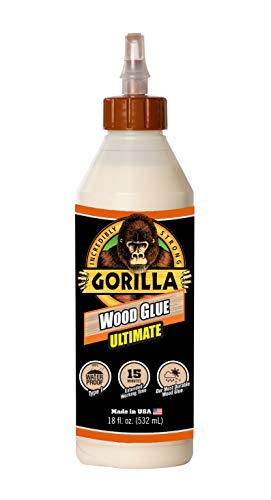
Type: PVA wood adhesive (waterproof, ANSI/HPVA Type I). Key Features: Extended 15-minute working time, durable waterproof bond for indoor or outdoor projects, cures to a natural tan color suitable for many hardwoods and composites. Designed for structural and repair uses where a waterproof, strong joint is required.
Wood Butter Cutting Board Wax – 8 fl oz

Type: Beeswax and food-grade mineral oil conditioner. Key Features: Protects wood from drying and cracking, formulated with only mineral oil and organic beeswax, made in the USA. This product conditions and seals surfaces to extend the life of butcher blocks and wooden kitchen tools while maintaining food-safe properties.
Howard Butcher Block Oil, Conditioner And Cutting Board Cleaner 12 Ounce

Type: Food-grade mineral oil and cleaner. Key Features: Deeply penetrates wood pores to bring out natural wood color, prevents drying and cracking, ideal for routine conditioning and cleaning of butcher blocks, cutting boards, wooden bowls, and utensils. Promotes longevity and restored appearance.
Wood Butter 4 fl oz Cutting Board Wax Conditioner For Butcher Block

Type: Smaller-size beeswax and mineral oil conditioner. Key Features: Same two-ingredient food-safe formula as larger jars, protects against drying and cracking, convenient for touch-ups, travel, or smaller boards. Ideal when you need a compact conditioner for maintenance without bulk packaging.
Buying Guide: How To Choose Products For Butcher Block Repair And Care
Define Your Goal: Distinguish between repairing joints (adhesive) and maintaining surface health (oils/waxes). Use waterproof PVA glues for structural repairs and food-safe oils/waxes for conditioning and sealing.
When To Use Wood Glue
- Structural Cracks Or Seams: Choose a strong, waterproof PVA like Gorilla Ultimate for joints that must withstand moisture and daily kitchen use.
- Working Time: Consider open time — products with a 15-minute working time let you align parts before clamping.
- Color Match: Some glues cure to a tan or natural wood color to blend with hardwoods; test on scrap if color matters.
- Food Contact Considerations: Most PVA glues are used for butcher block repairs where joints are not direct food contact surfaces; clean and finish the surface after curing with a food-safe oil/wax.
When To Use Oils And Waxes
- Protection And Hydration: Food-grade mineral oil and beeswax (Howard, Wood Butter) penetrate and seal wood to prevent cracking and warping.
- Sanitary Requirements: Look for products that meet or exceed relevant food safety guidance; mineral oil and beeswax are common, simple, and safe formulas.
- Frequency: Regular light applications (monthly or as needed) keep wood healthy. Heavy-use boards may need more frequent maintenance.
- Finish Type: Mineral oil soaks in; wax adds surface moisture resistance. Use both sequentially for deeper protection (oil first, then wax topcoat).
Compatibility And Long-Term Care
- Wood Species: Hardwoods with closed grain (like sapele) absorb less oil and may need less frequent applications; open-grain woods may require more frequent oiling.
- Knife Friendliness: Natural oils and waxes preserve a knife-friendly surface better than hard film finishes that can dull blades.
- Maintenance Routine: Clean with mild soap and water, dry fully, then apply mineral oil. For deeper protection, buff on wax after oiling and buff to a sheen.
- Repair Sequence: For structural fixes: clean area, glue and clamp until fully cured, sand smooth if needed, then re-condition with oil and wax.
Comparative Perspectives
- Durability: Waterproof PVA glue offers stronger structural bonds than regular wood glues, making it preferable for split or jointed butcher blocks.
- Food Safety: Mineral oil and beeswax-based conditioners are straightforward food-safe solutions for surfaces that touch food directly.
- Ease Of Use: Oils and waxes require less setup than gluing repairs and are suitable for routine upkeep; glue repairs require clamping and cure time.
- Appearance: Oils enhance natural grain and color; wax gives a subtle sheen. Choose based on desired look and maintenance tolerance.
Final Tip: For a comprehensive care plan, keep both a trusted waterproof wood glue for necessary repairs and a food-grade oil/wax conditioner for regular maintenance. Always follow product directions and test on a small area when trying a new product.