Finding the best wood for canes depends on strength, weight, aesthetics, and intended use. This guide compares popular wooden walking sticks and canes, summarizes their key features, and helps you decide which wood type and construction suit your needs.
| Product | Brand | Highlighted Feature |
|---|---|---|
| Vive Wooden Walking Stick Cane | Vive | Handcrafted Willow, Ergonomic Grip |
| RMS Wood Cane | RMS | Natural Handcrafted Derby Handle |
| Carex Wooden Walking Cane | Carex | Solid Ash Finish, Traditional Style |
| Asterom Walking Cane | Asterom | Handmade, Ergonomic Handle |
| FLYDRUM Wooden Walking Cane | FLYDRUM | One-Piece Construction, Walnut Finish |
Vive Wooden Walking Stick Cane – Willow

The Vive cane is handcrafted from willow tree wood, offering a balance of flexibility and durability. Its ergonomic handle follows the palm’s natural curve to reduce wrist pressure. A non-skid rubber tip improves traction on indoor and outdoor surfaces. Manufacturer notes indicate support up to 250 pounds, making it suitable for everyday mobility assistance.
RMS Wood Cane – Natural Derby Handle
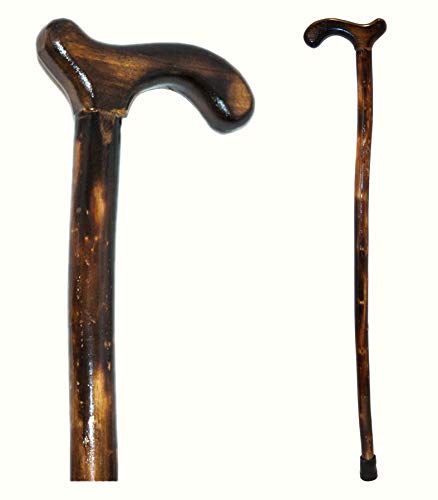
This RMS walking stick is made of 100% natural wood and handcrafted with clear weatherproof coating. The derby-style handle gives a classic look and distributes weight across the hand. At 36 inches and about 1 lb, it’s lightweight and aimed at users around 5’4″–6′ tall. The anti-slip rubber tip provides added traction for diverse surfaces.
Carex Wooden Walking Cane – Solid Ash Finish
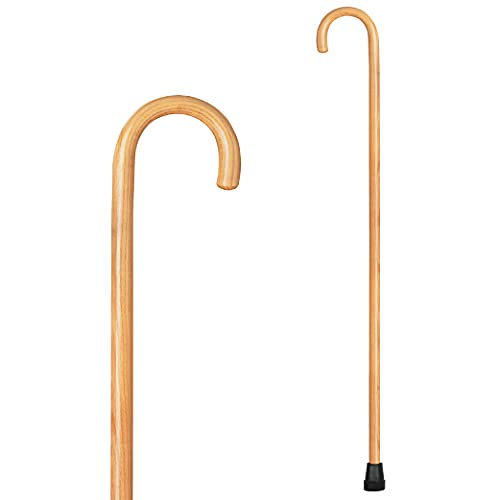
The Carex cane emphasizes solid support and build stability. Built for a fixed shape that resists bending, it is engineered to support up to 250 lbs. The round handle and smooth finish minimize flaking and cracking, offering a reliable grip. This traditional-style walking stick is intended for users who want a sturdy, no-frills mobility aid.
Asterom Walking Cane – Handmade Ergonomic

Asterom offers a handmade ergonomic cane with a focus on comfort and craftsmanship. The ergonomically designed handle is intended to reduce hand strain and wrist pain. The brand highlights quality control, a one-year warranty, and post-purchase support. This cane suits buyers looking for a refined aesthetic paired with daily comfort.
FLYDRUM Wooden Walking Cane – One-Piece Walnut
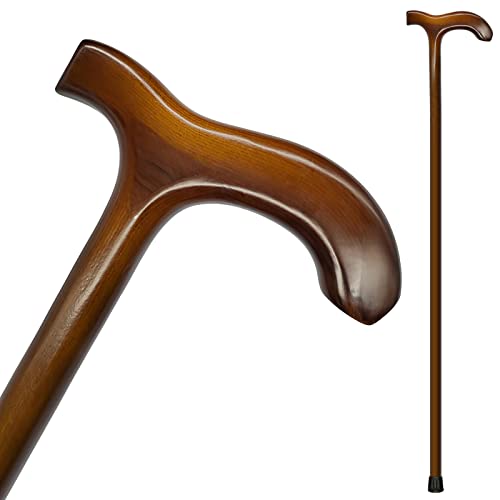
FLYDRUM’s cane is a one-piece wood construction, eliminating a dowel screw joint between handle and shaft for improved durability. The cane is dried, sanded, and coated with a weatherproof finish. Each cane includes an anti-slip rubber tip and is presented as a classic, tumble-free stick suitable for formal or everyday wear.
Why Wood Type Matters For Canes
Wood species differ in density, grain, flexibility, weight, and appearance. These factors influence durability, handling comfort, and the cane’s intended activities—walking around the neighborhood, hiking, or formal use. Common cane woods include ash, hickory, walnut, willow, and exotic hardwoods. Each has distinct pros and cons for mobility aids.
Strength And Durability
Hardwoods such as hickory and walnut are dense and resist impact, making them ideal for long, rugged use. They often support higher loads and resist wear at stress points. Medium-density woods like ash combine strength with a bit of shock absorption. Softer woods like willow are lighter and slightly flexible, reducing shock transfer but may be less durable under heavy continuous loads.
Weight And Portability
Weight affects fatigue over long periods. Lightweight woods such as willow or some treated ash provide easier maneuverability. Denser hardwoods offer sturdiness at the cost of additional weight. Consider the user’s strength and intended use: daily indoor mobility benefits from lighter canes; outdoor or hiking canes may prioritize robustness.
Comfort And Handle Design
Ergonomic shapes and derby or offset handles distribute weight differently. Wood allows comfortable shaping and finishing to reduce pressure points. Look for canes with ergonomic grips or those that can be fitted with soft covers. The handle material and shape can be as important as the wood species for wrist comfort.
Finish, Weather Resistance, And Maintenance
A quality finish protects wood from moisture, cracking, and wear. Weatherproof coatings and clear finishes extend the cane’s lifespan. One-piece canes avoid joint failures. Regular maintenance—occasionally reapplying finish and replacing rubber tips—keeps a wooden cane functional longer.
Appearance And Style
Wood types vary from light, subtle grains (ash, willow) to darker, richer tones (walnut). Handcrafted and twisted designs provide rustic character. For formal settings, smooth, polished finishes and refined handles are preferred. Visual appeal can be a deciding factor for many buyers.
Buying Guide: How To Choose The Best Wood Cane
- Assess Purpose: Determine if the cane will be used for daily mobility, hiking, or style. Daily users often want ergonomic grips and lighter weight; hikers want strong, shock-resistant woods.
- Check Load Capacity: Verify manufacturer support ratings (commonly listed up to 250 lbs). Match cane capacity to user weight plus dynamic forces during walking.
- Consider Wood Species: Choose hardwood for durability (hickory, walnut), ash for balance of strength and weight, or willow for lighter flexibility.
- Prefer One-Piece Construction: One-piece canes reduce joint failure risk. If choosing a two-piece or doweled cane, inspect the joint quality.
- Look For Ergonomic Handles: Handles designed to fit the palm reduce wrist strain—especially important for frequent users.
- Inspect Finish And Weatherproofing: A good finish prevents cracking and moisture damage. Matte or gloss finishes are both fine if well applied.
- Rubber Tips And Traction: Replaceable non-skid tips are essential for safety. Look for canes with quality anti-slip rubber tips and easy replacement options.
- Weight Versus Strength Trade-Off: Balance the need for lighter weight against required sturdiness. Heavier woods increase durability but may tire the user faster.
- Height And Fit: Standard cane heights (often 36″) suit many users, but ensure proper cane height for correct posture. Some canes can be shortened or are sold in various lengths.
- Maintenance And Parts Availability: Confirm availability of replacement tips, and whether the finish can be easily repaired if scratched.
Comparison Perspectives To Consider
- Performance Perspective: Which wood supports repeated impact and load without cracking? Hardwoods and one-piece designs rank higher.
- Comfort Perspective: Which handle design minimizes wrist strain? Ergonomic grips and derby handles distribute pressure better.
- Style Perspective: Which finish and grain suit formal vs. casual settings? Walnut and polished finishes read as formal; twisted or rustic sticks read as outdoorsy.
- Cost And Longevity Perspective: Durable woods and good finishes often cost more but can last longer, reducing long-term replacement needs.
- Safety Perspective: Which cane offers reliable traction and a secure tip? Replaceable, high-quality rubber tips matter most for slip resistance.
Use these factors to match a wood cane to the user’s lifestyle and mobility needs. The five canes reviewed above represent a range of wood types, handle designs, and construction approaches to help you decide which combination of strength, comfort, and appearance best fits your situation.