Finding the right tool to cut cast iron pipe depends on work space, pipe size, and the desired cut speed. The following selections emphasize reliability, ease of use, and compatibility with common cast iron and service-weight pipes. Each option is designed to reduce effort while delivering precise, clean cuts. Below you’ll find detailed sections for five highly relevant tools, followed by practical buying guidance to help you compare strengths and trade-offs.
Summary of chosen products:
| Product | Brand | Pipe Range / Capability |
|---|---|---|
| RIDGID 69982 Model 226 In-Place Soil Pipe Cutter | RIDGID | 1-1/2″ to 6″ soil pipe cutter |
| Getanye 4″ – 6″ H6 Hinged Pipe Cutter | Getanye | 4″ – 6″ pipe cutter, 4-wheel, capable for steel, ductile iron, cast iron |
| RIDGID 34403R Press Snap Soil Pipe Cutter Kit | RIDGID | 1-1/2″ to 4″ no hub/service-weight soil pipe |
| EZARC Inside Pipe Cutter for PVC Pipe | EZARC | Cut PVC, PPR, CPVC; 2-1/2″ cutting depth; replaceable diamond blades |
| Ridgid 101 Close Quarters Tubing Cutter | RIDGID | 1/4″ to 1-1/8″ tubing; tight spaces |
RIDGID 69982 Model 226 In-Place Soil Pipe Cutter

RIDGID’s 69982 is designed for in-place cutting of soil pipe, with a range of 1-1/2″ to 6″. The tool aligns with standard pipe sizes and is marketed for hands-on use with a robust build. Features include a compact, durable design aimed at comfortable operation in restricted spaces. The cutter is described as suitable for soil pipe cutting in practical field scenarios, with a focus on reliability and user-friendliness in challenging layouts.
Getanye 4″ – 6″ H6 Hinged Pipe Cutter

The Getanye H6 hinged cutter provides a 4″ to 6″ capacity with a full-closed frame and four-wheel design for efficient cutting in tight spaces. It’s positioned as suitable for cast iron, ductile iron, and aluminum pipes, with an emphasis on minimizing effort while maximizing cutting speed. The device aims to support heavy-duty cutting tasks with a focus on durability and practical maneuverability in constrained work areas.
RIDGID 34403R Press Snap Soil Pipe Cutter Kit

This kit expands RIDGID’s press-based cutting capabilities for 1-1/2″ to 4″ soil pipes. It is designed to avoid the need for lengthy manual lever arms and scoring by eliminating traditional scoring steps through hydraulic assistance. The emphasis is on fast, precise cuts suitable for service-weight or no-hub pipes, with a focus on efficiency and clean results in professional settings.
EZARC Inside Pipe Cutter for PVC Pipe
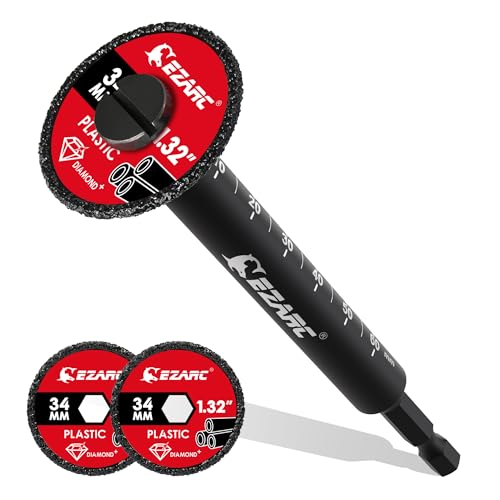
The EZARC inside cutter provides an alternative for plastic piping, featuring replaceable diamond grit blades and a 2-1/2″ cutting depth. Its design highlights a long blade life, fast cuts when used with drills or impact drivers, and compatibility with PVC, PPR, and CPVC pipes. The tool doubles cutting speed and supports precise, clean holes in various plastic pipe types, with a built-in gauge for consistency.
RIDGID 101 Close Quarters Tubing Cutter

RIDGID’s 101 close-quarters tubing cutter is built for small diameters and tight spaces. It supports 1/4″ to 1-1/8″ tubing and is versatile across copper, aluminum, brass, and plastic. A knurled feed screw knob provides controlled cutting pressure for clean, precise results in cramped conditions, making it a staple for finish work or installations where space is limited.
Buying Guide: How to Choose the Right Pipe Cutter
- Pipe material and size compatibility: Cast iron, ductile iron, steel, copper, and PVC require different cutter types. For cast iron or soil pipe, chain or wheel-based cutters, as well as hydraulic or press-assisted options, can offer clean cuts with less manual effort.
- Access and space: Tight spaces benefit from close-quarters or hinged designs. If space is extremely restricted, a compact tubing cutter or a tool with a short lever travel can be advantageous.
- Cut speed vs. effort: Hydraulic and press-based cutters deliver fast, force-multiplying cuts with less user fatigue. Traditional chain or wheel cutters may require more manual effort but are reliable and widely available.
- Durability and blade life: For PVC or plastic pipes, diamond grit blades extend life and reduce replacement costs. For metal pipes, robust steel components and hardened jaws improve longevity in tough environments.
- Ease of use and ergonomics: A comfortable grip, adjustable pressure, and intuitive operation reduce fatigue over lengthy jobs. Look for tools with clearly marked adjustments and stable bases for bench mounting when needed.
- Maintenance and parts availability: Replacing blades, dies, and components should be straightforward. Brands with readily available replacement parts minimize downtime on job sites.
- Portability and kit completeness: Some options come as kits with dies, handles, and storage cases. Portable kits are favorable for field work and service calls.
- Cost of ownership: Initial price vs. blade longevity, maintenance, and replacement part costs should be weighed to determine long-term value.