Finding the right tool to tackle stubborn roots and dense soil can save time and reduce strain. This guide highlights five durable, purpose-built digging tools designed to cut, slice, and lift through roots with ease. Each option combines serrated blades, sturdy handles, and specialized designs to help gardeners, landscapers, and campers manage roots in raised beds, yards, and wooded areas. Below you’ll find brief product overviews, a quick comparison, and essential buying considerations to help you choose the best tool for your needs.
| Product | Brand | Key Feature |
|---|---|---|
| Root Slayer 22311 Nomad | Root Slayer | Serrated tip to rip through dirt and roots; compact for tight spaces |
| Garden Weasel Multi-Use Transplanter | GARDEN WEASEL | Serrated edges for cutting roots and weeds; depth gauge included |
| Root Assassin 48″ Garden Shovel/Saw | ROOT ASSASSIN | Serrated shovel with curved tip; combined shovel/saw for roots |
| Garden Weasel Potting Scoop Oversized | GARDEN WEASEL | Serrated tip; large scoop for bulk soil and root clearing |
| 32″ Mini Root Assassin Garden Shovel/Saw | ROOT ASSASSIN | Compact 32″ version with serrated blade for roots |
Root Slayer 22311 Nomad

The Root Slayer 22311 Nomad features a serrated trowel with an inverted V-shaped cutting tip and specially designed serrated teeth to rip through dirt, roots, and obstructions. Its compact size—about 70% of the original Root Slayer—makes it ideal for small spaces, raised beds, and campgrounds. The blade is powder-coated carbon steel, the shaft is resin-encased carbon steel, and the grips are non-latex, combining durability with user comfort for extended digging sessions. This tool is designed for precise root cutting and resilient performance in dense soil.
Garden Weasel Multi-Use Transplanter

Designed for versatility, the Garden Weasel Transplanter can dig, cultivate, plant, and weed. It features serrated edges to cut through roots and loosen compacted soil, plus a handy depth gauge for precise transplantation. This professional-grade tool is built to endure heavy use, delivering reliable performance across gardening tasks. Its design aims to simplify planting operations while maintaining durability and comfort over time.
Root Assassin 48″ Garden Shovel/Saw
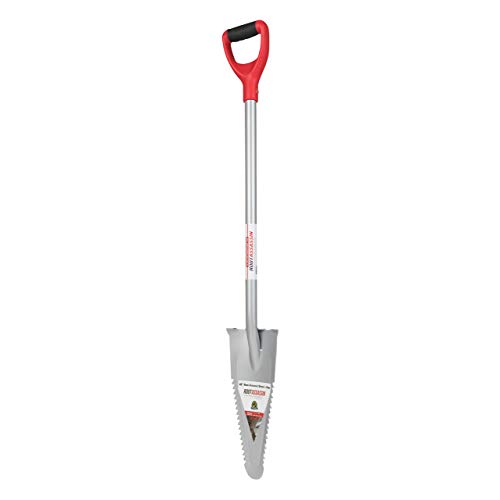
The Root Assassin serrated shovel combines a curved tip with serrated edges to efficiently slice through roots and weeds. The serrated shovel saw adds cutting through tough obstructions in soil, enabling quicker root removal. A sturdy D-shaped metal handle, finished with a rubber coating, provides a comfortable grip for prolonged digging and prying. This tool is well-suited for heavy-duty root work in landscapes and yards.
Garden Weasel Potting Scoop Oversized

The oversized Garden Weasel Potting Scoop is built for digging, cutting, and scooping soil with roots. Its serrated tip helps break up clumps and cut through roots while clearing beds for planting. The large scoop with tall sides reduces spillage during soil transfer, and the tool is designed for decades of reliable use in professional and home gardens alike.
32″ Mini Root Assassin Garden Shovel/Saw

The 32″ Mini Root Assassin blends a serrated shovel with a curved tip and a serrated edge for efficient root cutting. Its compact design makes it suitable for tighter spaces while maintaining the same core functionality as larger Root Assassin tools. A rubber-coated D-shaped handle ensures grip comfort during extended digging sessions and root-cutting tasks.
Buying Guide
Key purchase considerations for root-digging tools include blade design, blade material, handle comfort, and overall durability. Serrated edges excel at cutting through roots, while curved tips can improve leverage for stubborn obstructions. Blade materials like powder-coated carbon steel resist rust and wear, but coatings should be maintained to maximize longevity. Handle design matters for reducing fatigue; look for rubberized or textured grips and D-shaped handles for a natural grip. Consider tool length relative to your tasks: longer tools offer reach for deep roots, while compact options fit confined spaces.
Other important factors include weight balance, corrosion resistance, and whether the tool is designed for multi-use tasks (digging, transplanting, cutting, scooping). For landscape work, a combination tool that includes a saw or serrated edge can save time by letting you cut through roots and prune simultaneously. If you frequently work in raised beds or tight spaces, a shorter, lighter tool can reduce strain and increase precision. Always inspect tools for sturdy joints, secure blade alignment, and robust handles before purchasing.
Comparing the featured tools shows a range of performances: compact serrated models are ideal for precision digging in small beds; multi-use transplanters offer depth guidance and versatile planting capabilities; longer Root Assassin tools provide extended reach for larger root systems. Depending on your typical projects—flower beds, trees, lawns, or woodland terrain—select the tool with the right balance of reach, cutting power, and user comfort to ensure efficient root management over time.