Quick Overview: This guide reviews five top tin snips suitable for metal roofing tasks, focusing on durability, cut capacity, handle comfort, and intended cut direction. Use the table below to compare models at a glance.
| Product | Brand | Cut Type / Length | Key Feature |
|---|---|---|---|
| MIDWEST Power Cutters Long Cut Snip | Midwest Snips | Straight / Offset | Forged Blade, Comfort Grips |
| HURRICANE 10 Inch Aviation Tin Snips | HURRICANE | Straight / 10″ | Chrome Vanadium Blades, 18ga Capacity |
| Klein Tools 89556 Metal Cutter | KLEIN TOOLS | Straight / 12″ | High-Carbon Blades, Long Reach |
| TOOLEAGUE Aviation Tin Snips 12″ | TOOLEAGUE | Straight / 12″ | CR-V Forged Blade, Serrated Edge |
| HURRICANE 12 Inch Aluminum Metal Cutter | HURRICANE | Straight / 12″ | Replaceable Blades, Lightweight Frame |
MIDWEST Power Cutters Long Cut Snip

This Midwest model is built with a forged blade and ergonomic KUSH’N-POWER comfort grips. Its construction emphasizes durability and user comfort for extended roofing work. The tool is manufactured in the United States, which may be a consideration for buyers prioritizing domestic production. Its offset/staggered design reduces knuckle contact with the material, useful when working on flat and slightly contoured metal roofing panels.
HURRICANE 10 Inch Aviation Tin Snips

Designed for straight and gentle curves, these 10-inch aviation snips feature chrome vanadium steel blades with serrated edges to prevent slipping. They list a cutting capacity up to 18 gauge cold-rolled or galvanized steel and 22 gauge stainless, making them suited for many roofing sheet metals. The serration and robust blade material contribute to sustained cutting performance on metal panels and flashing.
Klein Tools 89556 Metal Cutter, 12-Inch
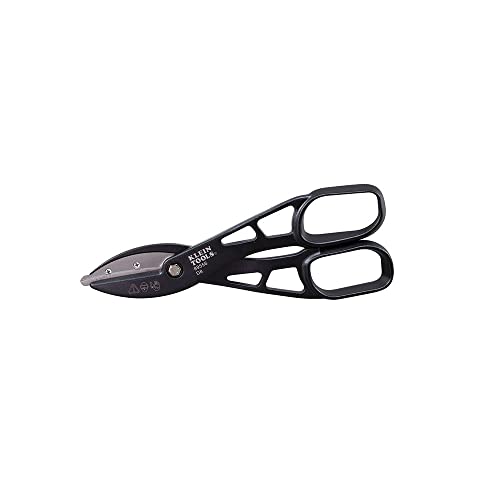
The Klein 12-inch tin snips use high-carbon cutting blades and offer a long 12-inch reach with full 3.5-inch blades for wider, cleaner cuts and larger radius curves. They are rated well for lighter roofing metals such as 24 gauge steel and 28 gauge stainless. The extended length increases leverage and is beneficial for cutting longer runs of metal roofing material or trimming panels.
TOOLEAGUE Aviation Tin Snips 12 Inches
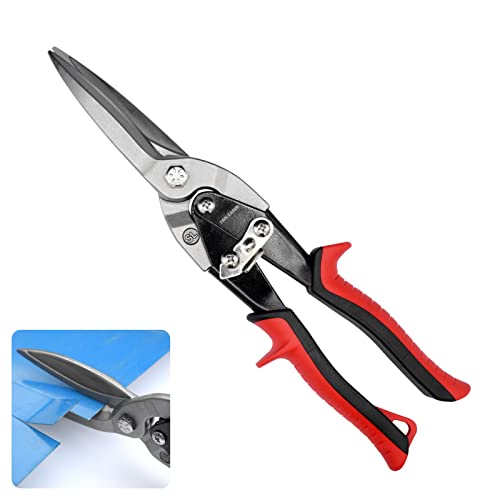
These TOOLEAGUE snips are constructed from high-quality CR-V steel with overall heat treatment for hardness and longevity. The serrated cutting edge and compound-action design are intended to reduce user effort and prevent material slippage. They list a cutting range up to 1.2mm carbon steel and 0.7mm stainless, covering many metal roofing sheet thicknesses. A safety lock on the handles adds convenience for storage and transport.
HURRICANE 12 Inch Aluminum Metal Cutter With Replaceable Blades

This 12-inch Hurricane model uses a cast aluminum frame to reduce hand fatigue and improve torque when cutting thicker roofing panels. It includes replaceable high-carbon blades, which helps maintain cutting performance without replacing the whole tool. The glove-friendly loops and extended length aim to combine comfort and leverage for prolonged roofing tasks.
Buying Guide: Choosing Tin Snips For Metal Roofing
Selecting the right tin snips for roofing depends on the roofing material, cut type, and user ergonomics. Below are key considerations to compare models effectively.
Cut Type And Direction
- Straight Cut: Best for long straight lines and general trimming of metal roofing panels.
- Left/Right Offset: Use offset snips for cutting curves or when keeping knuckles away from metal surfaces; choose right or left depending on dominant hand and cut direction.
- Compound Action: Reduces hand force for thicker metals and tighter curves.
Cutting Capacity And Blade Material
- Gauge Ratings: Confirm the snips’ rated gauge for steel or stainless—common roofing materials require 24–18 gauge capability depending on thickness.
- Blade Steel: High-carbon or chrome vanadium blades hold edges longer; heat-treated CR-V offers a balance of toughness and durability.
- Serrated vs Smooth: Serrated blades grip material to reduce slip; smooth blades may provide cleaner edges for some finishes.
Length And Leverage
- Short (8–10 inch): More maneuverable for detailed cuts and tight spaces.
- Long (12 inch): Provides greater leverage for cutting thicker materials and longer straight runs.
Handle Comfort And Safety
- Ergonomics: Cushioned or contoured grips reduce hand fatigue during extended roofing jobs.
- Structural Frame: Aluminum frames reduce weight; forged steel frames increase durability but can be heavier.
- Safety Lock: A handle lock secures jaws for safe storage and transport.
Maintenance And Replaceability
- Replaceable Blades: Extend tool life by swapping worn blades instead of replacing the entire tool.
- Sharpening & Care: Regular sharpening and wiping oil from stored tools preserves blade life. Inspect fasteners and pivot for tightness.
Comparison Perspectives
- Performance vs Fatigue: Aluminum-framed models reduce fatigue but may sacrifice some impact resistance versus forged-steel tools.
- Precision vs Durability: Serrated blades help control material but could leave a slightly different edge finish than smooth blades; choose based on whether finish or control is higher priority.
- Cost of Ownership: Tools with replaceable blades or higher-grade steel typically offer longer service life and lower long-term cost despite a higher upfront commitment.