Finding the right table saw fence system can improve accuracy, safety, and workflow in any shop. This guide highlights five top options, spanning compact job-site solutions to robust in-shop fences. Each selection emphasizes solid construction, repeatable alignment, and compatibility with common saws. Use the buying guide below to compare mounting options, adjustment precision, and accessory support to pick the fence system that best fits your setup.
| Product | Brand | Notes |
|---|---|---|
| Vega U50 Table Saw Fence System | Vega | 50″ right extension, micro-adjustment, steel construction |
| Vega U26 Table Saw Fence System | Vega | 36″ fence bar, 26″ right, left blade clearance |
| BOW XT XTENDER 46” Fence | BOW Products | 5″ tall, multiple T-slots, extends small tabletops |
| BOW XT XTENDER 36” Fence | BOW Products | 36″ length, three T-slots, versatile with accessories |
| Woodpeckers Auxiliary Rip Fence | Woodpeckers | 36″ extension with built-in T-slots and clamping blocks |
Vega U50 Table Saw Fence System Overview

The Vega U50 is designed to fit a variety of saws with a 2-1/2-inch fence height and a 50-inch extension to the right of the blade (36-inch fence bar with 8 inches to the left of the blade). It features micro-adjustment for precise alignment and an auxiliary table support to expand work surface. The system is built from steel and requires assembly. Ideal for users needing a longer right-side fence for ripping wide stock and repeated cut accuracy across multiple projects.
Vega U26 Table Saw Fence System
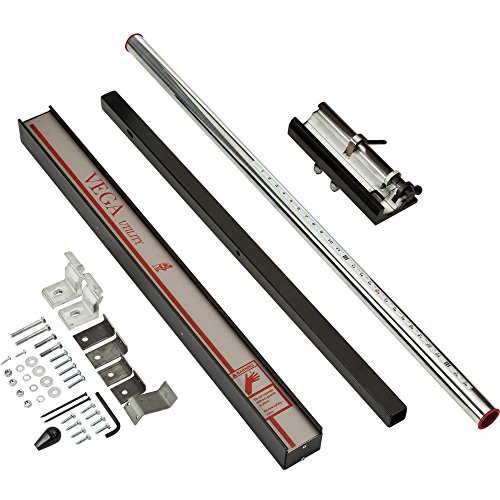
The Vega U26 offers a 36-inch fence bar with 26 inches of right extension and 8 inches to the left of the blade. Like the U50, it uses a steel construction with micro-adjustment and an auxiliary table support, designed for compatibility across a range of saw models. This option suits shops that need a slightly shorter right-side reach while maintaining precise alignment and robust build quality.
BOW XT XTENDER Fence 46”

The XT XTENDER 46” Fence from BOW Products features a 46-inch length with a 5-inch tall profile and three top T-slots for feed-control accessories. It includes milled clamp attach slots and a special slot for BOW Feed Supports, plus compatibility with Delta UniFence and Harvey fences. The aluminum extrusion is anodized for durability, and the system extends your table surface to improve infeed and outfeed control, cutting accuracy, and overall safety on larger or longer projects.
BOW XT XTENDER Fence 36”

The 36” XT XTENDER Fence delivers similar benefits in a more compact footprint. It uses three T-slots on top for accessories, includes clamp slots for multi-position setups, and can attach to Delta UniFence and Harvey fences. The 36” model helps extend smaller portable or benchtop saws, improving stability, cut quality, and safety by keeping wood square to the blade as you work in tighter spaces.
Woodpeckers Auxiliary Rip Fence

The Woodpeckers Auxiliary Rip Fence provides a 36-inch fence extension designed for job-site table saws and compact machines. It features a 3-1/2″ tall profile, built-in T-track slots, and two sliding clamping blocks. The system is sized to fit compact machines and installs quickly without modifying existing fences, making it a practical addition for enhancing rip control on smaller saws.
Buying Guide: Key Purchase Considerations
- Fence length and extension: Choose a fence that matches your typical stock widths and cabinet or benchtop saw constraints. Longer fences improve ripping of wide boards; shorter fences save space on small shops.
- Height and stiffness: A taller, rigid fence reduces deflection during cuts. Steel fences tend to be sturdier than some aluminum options, though premium aluminum can still perform well with proper design.
- Adjustment and alignment: Look for micro-adjustment or fine-tuning capabilities to ensure blade-to-fence parallelism. Repeatable adjustments save time on repetitive cuts.
- Compatibility and mounting: Confirm compatibility with your saw model and existing fences or fences from other brands. Some systems offer quick-attach features or adapters for Delta, Harvey, UniFence, or similar fences.
- Accessories and expandability: Evaluate availability of add-ons like fence supports, extension tables, or T-slot accessories that improve infeed/outfeed control and safety.
- Portability vs. permanence: For job-site or portable saws, consider lighter fences with quick setup. For cabinet saws, a larger, more features-rich fence may be preferable.
- Dust collection and work surface: Some fences integrate with dust ports or offer extended tabletop surfaces to reduce chipping and improve stock support during cutting.
- Installation effort: Some systems require more assembly; weigh the time investment against long-term gains in accuracy and efficiency.