Choosing the right solder or connector for speaker wire affects signal integrity, durability, and ease of installation. Below is a concise comparison table of the top picks covered in this article to help you decide quickly.
| Product | Type | Key Feature |
|---|---|---|
| MAIYUM 63-37 Tin Lead Rosin Core Solder Wire | Rosin-Core Solder | Sn63/Pb37, 0.8mm, 1.8% flux |
| TOWOT 63-37 High Purity Rosin Core Solder | Rosin-Core Solder | Sn63/Pb37, 1.0mm, 1.8% flux |
| Twocorn 63/37 Solder Wire | Rosin-Core Solder | Sn63/Pb37, 0.8mm, 1.8% flux |
| Lead-Free Solder Wire Sn99 Ag0.3 Cu0.7 | Lead-Free Solder | Sn99 Ag0.3 Cu0.7, 0.8mm, RoHS |
| Kuject Heat Shrink Solder Seal Wire Connectors Kit | Solder Seal Connectors | Waterproof, heat-activated, no crimping |
MAIYUM 63-37 Tin Lead Rosin Core Solder Wire
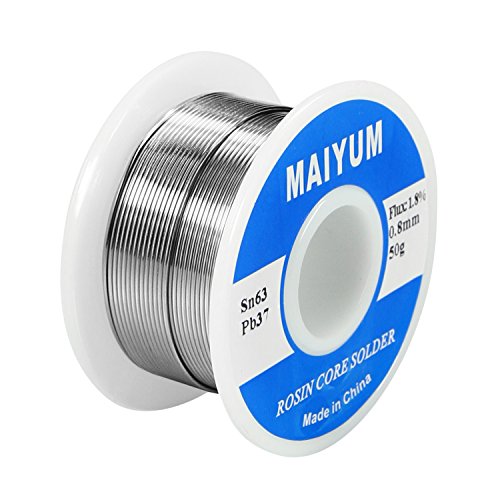
This Sn63/Pb37 rosin-core wire offers a common alloy ratio with a low melting point and good flow. The listed diameter is 0.8mm and flux content is 1.8%, making it suitable for typical speaker wire splices and small terminal connections. The rosin core assists fluxing during soldering to improve wetting on copper conductor strands.
- Best Use: Standard speaker wire soldering where mechanical joins are compact.
- Key Feature: 1.8% rosin flux for reliable flow and joint quality.
- Consideration: Contains lead—follow proper ventilation and safety precautions.
TOWOT 63-37 High Purity Tin Lead Rosin Core Solder Wire

This Sn63/Pb37 option emphasizes purity and smooth flow. The 1.0mm diameter suits slightly larger speaker cables or quicker fill on stranded conductors. Flux content of 1.8% supports clean wetting of copper strands and good joint strength.
- Best Use: Thicker speaker wire strands or faster solder deposition.
- Key Feature: Larger diameter (1.0mm) for quicker joints and robust solder fillets.
- Consideration: Leaded alloy—use PPE and proper disposal methods.
Twocorn 63/37 Solder Wire With Rosin Core
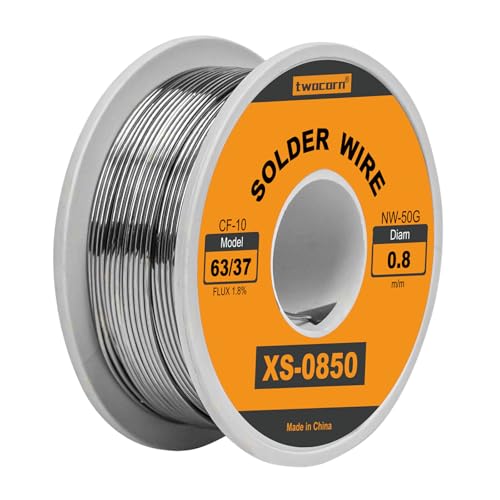
The Twocorn wire lists 63% tin / 37% lead with 1.8% rosin flux in a 0.8mm gauge. It highlights fast soldering speed and good adhesion—typical benefits of eutectic Sn63 solder which transitions quickly from solid to liquid and back, reducing cold joint risk when handled properly.
- Best Use: Routine speaker wire splices and terminal soldering on receivers and crossovers.
- Key Feature: Eutectic alloy behavior for predictable melting and solidifying.
- Consideration: Ensure rosin residue is acceptable for your installation or remove if needed.
Lead-Free Solder Wire Sn99 Ag0.3 Cu0.7 For Electronics

This lead-free alloy (Sn99 Ag0.3 Cu0.7) is RoHS-compliant and includes silver for improved conductivity. At 0.8mm it is fine enough for speaker wire and electronics work. Lead-free solders can require slightly higher temperatures and may have different wetting characteristics than Sn63/Pb37.
- Best Use: Environments where lead-free materials are required or preferred.
- Key Feature: Improved corrosion resistance and regulatory compliance.
- Consideration: Higher soldering temperature and possible adjustments to technique.
Kuject Heat Shrink Solder Seal Wire Connectors Kit
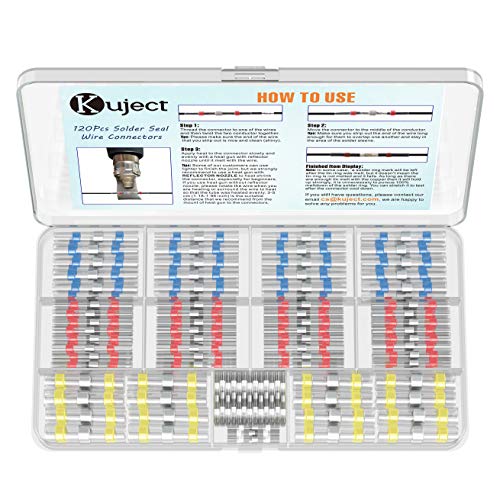
These heat-shrink solder-seal butt connectors combine a preformed solder ring and hot-melt adhesive inside a heat-shrink sleeve. They create sealed, mechanically stable joints using a heat gun—no iron or crimping required. The design helps in marine or vehicle speaker installations.
- Best Use: Field repairs, in-line speaker cable joins, and moisture-exposed installations.
- Key Feature: Waterproof adhesive rings and heat-activated solder ring.
- Consideration: Requires careful heat control to avoid overheating wire insulation.
Buying Guide: How To Choose Solder Or Connectors For Speaker Wire
Alloy Choice: Sn63/Pb37 (eutectic) is widely used for audio wiring due to low melting point and excellent flow. Lead-free (SnAgCu) is chosen where regulations or health concerns prohibit lead. Consider compatibility with existing equipment and local rules.
Flux Type: Rosin-core flux is common for electrical audio joints and provides good wetting. No-clean flux reduces residue concerns, but heavy flux residues may need cleaning on sensitive components.
Wire Gauge And Solder Diameter: Match solder diameter to the speaker wire gauge. Fine gauges (0.8mm) work for small stranded wire; larger strands benefit from 1.0mm or thicker to speed joint formation and ensure adequate filleting.
Mechanical Vs. Solder-Seal Connectors: Soldered joints provide low resistance and stable electrical contact when done correctly. Heat-shrink solder-seal connectors deliver sealed, consistent results without specialized soldering skill and are ideal for exposed or mobile applications.
Thermal Considerations: Leaded solders melt at lower temperatures than lead-free alloys. If using a soldering iron, choose temperature and tip size appropriate for the alloy and wire gauge to avoid insulation damage.
Corrosion And Environment: For marine or outdoor speaker runs, use solder-seal connectors or apply protective coatings to solder joints. Silver-bearing lead-free solders can offer improved conductivity and corrosion resistance.
Health And Safety: When using leaded solder, work in a ventilated area, avoid skin contact, and wash hands after handling. Dispose of solder waste per local regulations.
Compatibility With Connectors: If using banana plugs, RCA plugs, or binding posts, ensure the solder type and method work with the connector material and recommended assembly technique. Some connectors are designed to be solderless and may benefit from specific crimp or push-fit methods.
Tooling And Skill Level: Soldering irons, temperature-controlled stations, and flux cleaners improve joint quality. For installers with limited soldering experience or for quick repairs, solder-seal connectors reduce the risk of cold joints and provide waterproofing.
Electrical Performance: Prioritize low-resistance joints and solid mechanical contact. Properly executed solder joints or heat-seal connectors minimize signal loss and maintain audio fidelity over time.