Choosing a reliable single blade pocket knife means prioritizing simplicity, durability, and ease of use. This guide highlights five well-rounded options known for one-blade designs, solid steel, and practical handles that perform whether you’re camping, hunting, or tackling daily tasks. Each pick offers compact size, strong edge retention, and convenient access for fast deployment in the field.
Summary of Selected Products
- <strongOld Timer 3OT Bearhead — 2.2″ high-carbon stainless steel blade; small, dependable everyday carry.
- <strongBuck Knives 379 Solo — 2.25″ clip point blade; lightweight, versatile for detail work and field use.
- CIVIVI Mini Praxis — 2.98″ D2 blade; compact yet robust with modern detent and G10 handle.
- Rtek 3.75″ Spanish Brown Wood Handle — 3″ blade; traditional feel with quick access for EDC.
- Buck Knives 385 Toothpick — 2.25″ clip blade with diverse edge options in a compact form.
Old Timer 3OT Bearhead Traditional Lockback Pocket Knife

Product features include a 5.1 inch overall length with a 2.2 inch blade crafted from high carbon stainless steel. The nail pull allows quick access, while the compact 1.5 ounce build makes it suitable for everyday carry and light work like whittling or camp tasks. The sawcut handle adds a traditional look and a secure grip for controlled slicing.
Buck Knives 379 Solo Folding Pocket Knife
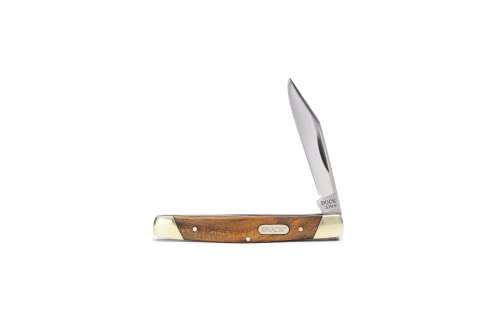
This single-blade design uses a 2-1/4″ clip point blade with 420J2 stainless steel for edge retention and corrosion resistance. It weighs about 0.9 ounces and closes to 3 inches. The knife is built for precision work, quick detail cuts, and light-duty EDC tasks. A simple woodgrain handle with nickel silver bolsters provides a classic, attractive look.
CIVIVI Mini Praxis Folding Pocket Knife
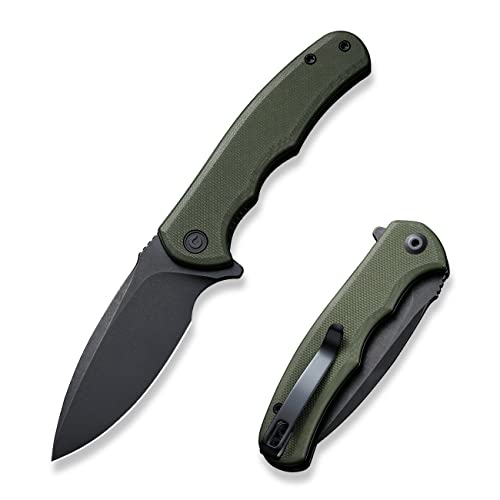
The Mini Praxis packs a 2.98″ D2 steel blade with a G10 handle for moisture and temperature resilience. It features a ceramic ball-bearing pivot for smooth one-handed deployment and reliable closing action, plus a sturdy detent to maintain crisp operation. The pocket clip ensures easy carry, making it suitable for daily tasks, camping, and light survival use.
Rtek 3.75″ Spanish Brown Wood Handle Pocket Knife

Rtek emphasizes a durable high-quality stainless steel blade paired with a Spanish brown wood handle. The 6.75-inch overall length and 3-inch blade length balance comfort with reach for camping, survival tasks, and daily cutting needs. Quick access and a nail nick help with fast one-handed operation in various environments.
Buck Knives 385 Toothpick Folding Pocket Knife

This compact model features a versatile selection of blades efficiently stored in a small footprint. With a 2-1/4″ clip blade and additional utility options, it suits detail work, skinning, and precise cuts on flat surfaces. The included two-tone wooden handle and robust construction emphasize long-term reliability for outdoor and everyday tasks.
Buying Guide
Key considerations when selecting a single blade pocket knife include blade geometry, steel composition, handle design, weight, and portability. The blade length typically ranges from 2 to 3 inches, balancing control with cutting reach. For edge retention and corrosion resistance, consider stainless steel or high-carbon options that resist wear in field conditions.
- Blade Type and Geometry — Clip points are common for precise tip work; drop-point blades provide a strong belly for general slicing. Choose a geometry aligned with your tasks, from detail work to camp prep.
- Steel and Edge Retention — Higher carbon content improves edge retention but may require more maintenance to prevent rust. Stainless steels offer corrosion resistance with good edge stability.
- Locking Mechanisms — While many single-blade knives use framelocks or slip joints, lockbacks provide secure blade deployment. Ensure the action feels confident and safe for one-handed use.
- Handle Material and Ergonomics — G10, wood, and micarta handles balance grip, weight, and moisture resistance. Textured or contoured scales help prevent slips during wet or cold conditions.
- Carry and Accessibility — Pocket clips, nail pulls, and overall size influence how easily you can access the blade in daily tasks. A slim profile supports discreet wallet-to-pocket carry.
- Legal and Local Regulations — Some jurisdictions restrict blade length, locking mechanisms, or carry methods. Verify local laws before purchasing a folding blade for daily use.
- Maintenance Needs — Stainless blades require minimal upkeep, while carbon steel blades may need oiling to prevent corrosion. Regular sharpening preserves edge readiness.
Perspective and context: For everyday tasks, a single blade knife with a reliable lock and robust steel delivers predictable performance. A compact profile improves portability for EDC, camping, and light chores. When outdoor use intensifies or you encounter wet environments, prioritize handle grip and corrosion resistance. While some models emphasize classic aesthetics with wood or bone, others focus on modern materials and quick deployment. Assess your typical environments, local regulations, and maintenance willingness to determine the best single blade option from this selection.