Looking For The Right Trench Shovel? This guide compares top narrow-blade trench and spade shovels suited for digging trenches, edging, transplanting, and precise garden work. Below is a quick comparison of the five selected trench shovels for easy reference.
| Product | Blade Width / Type | Handle | Primary Use |
|---|---|---|---|
| Nohovu 4-Inch Trench Shovel | 4″ V-Shaped Narrow Blade | 56″ Fiberglass | Trenching, transplanting |
| VNIMTI 4-Inch Trench Shovel | 4″ V-Shaped Blade | 56″ Fiberglass | Trenching, ditch clearing |
| CGRNKT 4-Inch Heavy Duty Trench Shovel | 4″ V-Shaped Carbon Steel | 56″ Fiberglass | Narrow trenches, rocky soil |
| Corona SS 64104 General Purpose Trench Shovel | 4″ General Purpose Trench Blade | (Manufacturer Standard) | Professional landscaping |
| WIKER Drain/Spade Shovel 45″ | Slender Narrow Head, Manganese Steel | 45″ Fiberglass, D-Handle | Planting, draining, root removal |
Nohovu Trench Shovel For Digging, 4-Inch Trench Shovel

This 4-inch V-shaped trench shovel is specified for tight spaces and narrow trenches. The blade geometry is designed to hold soil when removed and to pry out clods with the angled profile. The head is described as sturdy steel with a sharp narrow blade, and the handle is fiberglass with a non-slip rubber top. Use cases listed include trenching, planting, transplanting, and working in confined garden areas.
VNIMTI Trench Shovel For Digging, 4-Inch Trenching Shovel

VNIMTI’s model emphasizes a high-strength steel 4-inch blade with a V-shaped design for precise trenching. The fiberglass handle includes a non-slip area that improves grip when wet. The product is presented as focused on trench and ditch clearing and transplanting small shrubs where a narrow, accurate cut is required.
CGRNKT 4-Inch Heavy Duty Trench Shovel With Blue Handle

CGRNKT markets a thick carbon steel V-shaped blade and a 56-inch fiberglass handle for leverage. The blade is designed to cut through roots, clay, and rocky soil and the handle features a non-slip rubber grip. The shovel is positioned for narrow trenches such as irrigation lines, cable trenches, and precise garden edging.
Corona SS 64104 General Purpose Trench Shovel
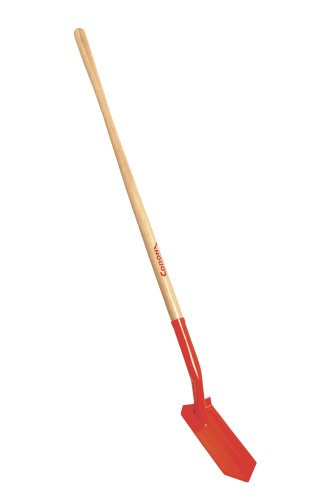
Corona’s SS 64104 is presented as a professional-grade general purpose trench shovel from a long-established toolmaker. The model is suitable for landscape, irrigation, and construction tasks where a reliable narrow trench blade is required. The brand positioning highlights distribution across professional and consumer markets.
WIKER Spade Shovel, Sharp Shooter Drain Spade With Fiberglass Handle

The WIKER drain spade is a narrow, slender-head shovel built from high-strength manganese steel with multiple anti-corrosion coatings. It features a D-handle for leverage and a fiberglass shaft that resists weathering. The description highlights its suitability for cutting turf, digging out full root systems, and working in sticky, hard, or rocky soils.
Buying Guide: How To Choose The Right Trench Shovel
Selecting a trench shovel depends on task, soil type, and ergonomics. Below are key considerations with comparison perspectives.
Blade Width And Shape
- 4-Inch Narrow (V-Shaped): Best for narrow irrigation lines, cables, and precise edging. Retains soil when carrying and limits turf damage.
- Slender/Sloped Spade: Better for extracting root balls and transplanting where you need depth and a narrow cut.
Material And Durability
- Carbon Or High-Strength Steel: Offers strength for rocky or clay soils and resists bending under heavy loads.
- Manganese Steel: Provides wear resistance and durability in abrasive soils.
- Coatings: Rust-resistant paints or multiple coatings lengthen life when digging in wet soils.
Handle Type And Length
- Fiberglass Handles: Common on these models for a combination of strength, lower weight, and weather resistance.
- D-Handle Vs Straight Shaft: D-handles provide better leverage for lifting and prying; straight shafts and longer lengths offer more reach and less bending.
- Length Considerations: 56-inch handles provide leverage and reduce back strain for deeper trenches; 43–45 inch handles are more maneuverable in tight spaces.
Grip And Ergonomics
- Non-Slip Tops: Rubberized or textured grip zones reduce slippage when hands are wet or sweaty.
- Weight And Balance: Heavier heads cut harder soil but increase fatigue; fiberglass shafts tend to balance weight effectively.
Soil And Task Matching
- Rocky Or Clay Soil: Choose thick carbon or manganese steel blades and reinforced shafts.
- Loose Or Sandy Soil: Narrow blades are efficient and easy to drive; less heavy-duty construction may suffice.
- Rooted or Sod-Heavy Areas: A narrow pointed or saw-tooth edge helps cut roots or sod cleanly for transplanting.
Maintenance And Longevity
- Protective Coatings: Reduce rust — important if you dig in damp soils or store tools outdoors.
- Tight Connections: Check rivets or fasteners at the head-handle joint; reinforced connections reduce failure risk.
- Sharpening: Keep edges sharp for easier cutting through roots and compacted soil.
Comparison Perspectives
- Precision Trenching: 4-inch V-shaped blades (Nohovu, VNIMTI, CGRNKT) offer the best control for utility trenches and irrigation.
- General Professional Use: Corona’s general-purpose model targets broad landscaping needs and consistent brand support.
- Planting & Root Removal: Narrow spades with D-handles (WIKER) or saw-tooth heads (HANTOP-style designs) prioritize complete root extraction and turf protection.
Use these factors to match the shovel to your typical projects—irrigation/cable trenches, transplanting, root removal, or heavy-duty excavation—and evaluate blade material, handle design, and ergonomics accordingly.