Finding the right reciprocating saw blade for cast iron can dramatically improve cutting speed and blade life. The blades below are selected for durability, carbide or diamond grit technology, and design features that perform well on cast iron, steel, and other hard metals. This guide summarizes five top options and provides a buying guide to help you compare performance, longevity, and cost.
| Product | Brand | Key Feature |
|---|---|---|
| EZARC Carbide Reciprocating Saw Blade R678HM Endurance | EZARC | Carbide teeth; 8TPI; 6-Inch; long life |
| EZARC Carbide Reciprocating Saw Blade R978HM Endurance | EZARC | Carbide teeth; 8TPI; 9-Inch; long life |
| Diablo DS0930DGX 9″ Diamond Grit Blade | Diablo | Diamond grit; fast, clean cuts; 6X life |
| INWELL 6-Inch Tungsten Carbide Reciprocating Blades | Inwell | 8TPI; long-lasting carbide; heavy-duty |
| Diablo DS0908CF10 9″ Steel Demon Carbide | Diablo | 8TPI; durable; stabilized cut |
EZARC Carbide R678HM Endurance Blade — 6 Inch
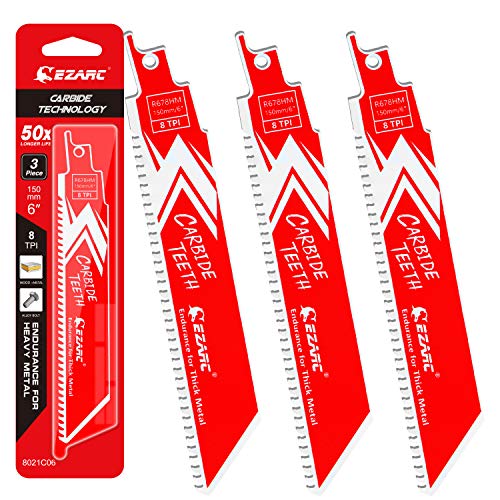
The EZARC R678HM Endurance blade uses carbide technology to deliver significantly longer life than typical bi-metal blades. Its 8 teeth per inch design is tailored for thick metal cutting, including cast iron, high-alloy steels, and rebar. The blade’s performance shines in challenging materials where standard blades dull quickly, offering reliable cuts with reduced downtime on demolition and metal fabrication tasks.
EZARC R978HM Endurance Blade — 9 Inch
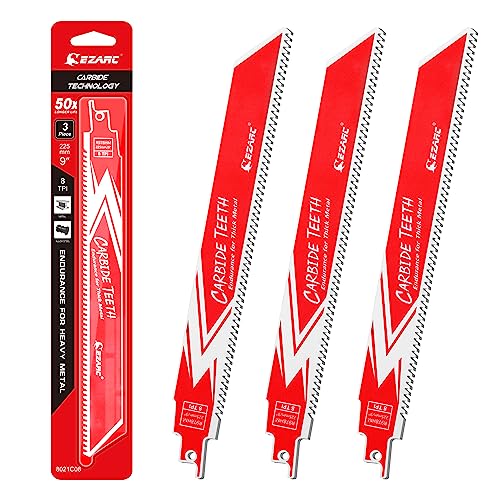
This 9-inch EZARC blade extends carbide technology for thicker metal work. With 8TPI and a robust carbide tooth strip, it handles challenging cuts in high-alloy steels, cast iron, and rebar. The blade aims to minimize blade changes and maximize cutting life in demolition or industrial projects where metal hardness varies along the cut.
Diablo DS0930DGX Diamond Grit Blade

The Diablo DS0930DGX uses diamond grit to extend life up to six times compared with standard blades, making it ideal for cast iron, masonry, and fiberglass environments. Its thin-kerf design increases cutting speed while maintaining precision, and the Perma-Shield coating helps resist heat buildup and gumming for repetitive cuts in tough materials.
INWELL Tungsten Carbide 6-Inch Blades

INWELL’s 6-inch carbide blades use industrial-grade tungsten carbide teeth designed for cutting thick metal, cast iron, and stainless steel. These blades offer up to 50x longer life than bi-metal options and feature individually ground teeth for clean, controlled cuts with reduced vibration, making them well-suited to demolition and pipework projects.
Diablo DS0908CF10 9″ Steel Demon

The DS0908CF10 features a high-performance TiCo Hi-Density carbide edge for extended life in extreme metal cutting. A Perma-Shield coating minimizes heat, gumming, and corrosion, while a 1″ oversized blade body reduces vibration and chatter, enabling straighter, cleaner cuts through thick metals and cast iron.
Diablo DS0608CF10 6-Inch Blade Pack

Diablo’s 6-inch carbide blades balance precision and durability for metal cutting. The 8 TPI geometry and an oversized blade body deliver smoother, straighter cuts with reduced vibration, making them a solid choice for medium metal work and cast iron tasks where accuracy matters.
Buying Guide: Key Considerations For Cast Iron And Thick Metal Cutting
- Blade material: Carbide blades (tungsten carbide or carbide-coated) last longer than bi-metal options in cast iron and hardened steel. For extreme metals, carbide or diamond grit blades may be preferred.
- Tooth count and geometry: 8TPI blades tend to balance speed and control for thick metals. Lower TPI can cut faster but wear sooner on hard alloys; higher TPI offers cleaner cuts but may slow down progress on tough materials.
- Blade length: Longer blades (8–9 inches) cover more material per pass and reduce blade changes, but require adequate clearance and a compatible saw.
- Coatings: Perma-Shield or similar coatings reduce heat buildup, prevent gumming, and extend blade life in high-temperature cuts.
- Application fit: For cast iron, look for blades designed specifically for metal cutting with reinforced bodies and robust teeth to resist breakage during demolition or heavy fabrication.
- Ease of use: Thicker blade bodies provide stability and reduce vibration, leading to straighter cuts with less operator fatigue over long jobs.
- Cost vs performance: Carbide-based and diamond grit blades cost more upfront but can save time and replacement costs on tough materials. Evaluate project length and material hardness to determine value.
- Safety: Always wear eye protection and ensure proper clamps; use slow, steady feeds to avoid blade binding or kickback when cutting cast iron and thick metals.