Finding the right saw blade can dramatically improve cut quality, speed, and blade life. This guide highlights top-rated options for common tasks—from wood and metal to finish work—curated for American readers. Each blade set offers a balance of durability, versatility, and value. Use the buying guide below to compare features and choose blades that fit your tools and projects.
| Product | Brand | Key Benefit |
|---|---|---|
| DEWALT Reciprocating Saw Blades, 10 Piece | DEWALT | Bi-metal construction for flexibility and edge life |
| WORKPRO 32-Piece Reciprocating Saw Blade Set | WORKPRO | Comprehensive metal, wood, and pruning blades with organizer |
| EZARC Japanese Teeth Reciprocating Blade 15 in | EZARC | Arc edge, 3x lifetime with fast, clean cuts |
| HORUSDY 10-Piece Reciprocating Saw Blades | HORUSDY | Carbon steel blades for fast wood cutting and pruning |
| Diablo Fine Finish Saw Blade for Wood | Diablo | Ultra-smooth cuts and durable Hi-ATB teeth |
DEWALT Reciprocating Saw Blades, 10 Piece Set

DEWALT combines a versatile blade assortment with tough storage. This 10-piece set provides blades for common applications, with a rugged case designed to fit in a power tool kit box. The bi-metal construction offers flexibility and a long-lasting cutting edge, making it suitable for varied tasks from demolition to light remodeling. The included case helps keep blades organized and accessible for on-site work.
WORKPRO 32-Piece Reciprocating Saw Blade Set
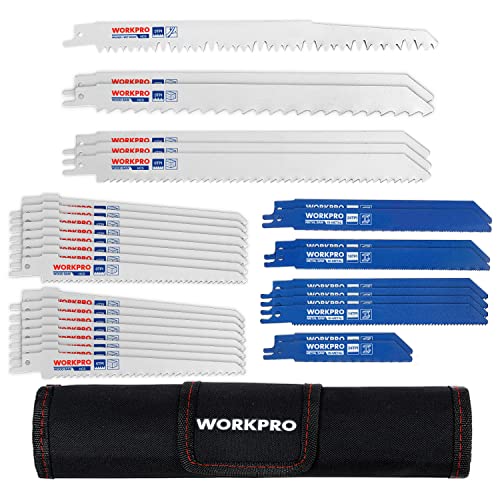
This comprehensive set covers metal, wood, and pruning tasks. Wood-cutting blades use Cr-V steel for durability, while pruning blades handle branches up to 180 mm. Metal blades are designed for pipes, profiles, and general sheet metal, with a compatibility range across major reciprocating saw brands. The organizer pouch aids transport and storage, making it ideal for contractors and DIY enthusiasts alike.
EZARC Japanese Teeth Reciprocating Blade 15in

EZARC blades feature an extra-long 15-inch arc edge and aggressive 6-teeth-per-inch Japanese tooth pattern. The triple-ground offset teeth profile reduces friction, enabling smooth, controlled cuts through larger branches and wood. Fleam-ground teeth and deep gullets contribute to faster cutting and extended blade life, providing a strong option for pruning and heavy woodwork.
HORUSDY 10-Piece Reciprocating Blades Set

This 10-piece set focuses on versatility for common applications. Comprised of carbon steel blades, it supports fast wood cutting and pruning. The mix includes blades suitable for metal, plastic, wood, and drywall, making it helpful for mixed-material projects and utility tasks where blade changes need to be minimized.
Diablo Fine Finish Saw Blade for Wood

Diablo’s D1060X blade is designed for ultra-smooth finish cuts in wood. A 60 Hi-ATB tooth configuration provides clean edges with reduced blowout and less sanding. The TiCo Hi-Density carbide teeth extend blade life, while a Perma-Shield coating guards against heat buildup and corrosion, supporting consistent performance under demanding conditions.
Buying Guide
- Material and construction: Bi-metal blades combine toughness and flexibility, while high-carbon steel blades offer speed and durability for wood. Carbide-tipped options excel in hard woods and dense materials but may cost more.
- Tooth pattern and count: Higher tooth counts (Hi-ATB, fine finishes) yield smoother cuts with less sanding but cut slower. Coarse patterns cut quickly in wood and pruning tasks.
- Blade length and kerf: Longer blades (e.g., 15 in) reach deeper into material; thinner kerf reduces resistance for fast cuts. Ensure compatibility with your saw’s arbor size and stroke length.
- Special coatings: Perma-Shield and similar coatings reduce buildup and heat, extending blade life in tough applications and reducing friction.
- Application compatibility: Look for sets that cover wood, metal, drywall, and pruning if your projects span multiple materials. Verify that blades fit your reciprocating saw model and other tools you own.
- Storage and organization: Cases and pouches help prevent blade dulling and loss on job sites. Organized sets speed up tool changes and workflow.
- Budget and value: A well-rounded set often saves money and space, but consider individual blades for specialty tasks if you repeat a niche job frequently.
- Maintenance: Clean blades after use, dry thoroughly, and store in a dry place to prevent corrosion. Inspect blades for dullness, cracks, or bending before reuse.
- Safety considerations: Always wear eye protection and use proper clamps or supports. Replace damaged blades to avoid dangerous breakage.