Plunge-cutting router bits let you start a cut in the middle of a workpiece for mortises, inlays, dados, and panels. Below is a quick comparison table of the five selected bits featured in this guide to help you choose the right option for your plunge routing tasks.
| Product | Key Specs | Best For |
|---|---|---|
| Whiteside 1700 Plunge Panel Bit | 1/4″ dia, 3/4″ cut length, carbide-tipped, V plunge point | Rapid panel plunge & window/door cutouts |
| Amana 45210 High Production Plunge | 1/4″ dia, 1″ cut height, carbide-tipped | High-production straight plunge routing |
| POWERTEC Straight Plunge Bit (73065) | 1/2″ shank, 3/4″ dia, 1-1/4″ cut length, extra carbide top | Stop grooves, dados, mortises, inlay work |
| NACX 2-Flute Carbide Plunge Bit (4pcs) | 1/4″ shank, 1/4″ dia, 2-flute chip evacuation | General-purpose plunge cuts in hardwoods & composites |
| SpeTool Upcut Spiral Plunge Bit | 1/8″ dia, 1″ cut length, upcut spiral, coated carbide | Clean bottom edges for grooves, long reach plunge |
Whiteside Router Bits 1700 Plunge Panel Bit

Brand: Whiteside. This bit is a carbide-tipped, single-flute panel bit with a 1/4″ cutting diameter, 3/4″ cutting length and a 1/4″ shank. It features a V-shaped plunge point designed for quick plunges through panels and siding. Intended for handheld routers and industrial panel cutouts, the pilot-style tip helps guide rapid plunges while maintaining a cleaner entry point than a flat-top bit. Suitable for window and door cutouts, RV manufacturing, and jobsite panel work. Follow proper depth control and feed rate when plunge cutting thick or laminated materials.
Amana Tool 45210 Carbide Tipped Straight Plunge

Brand: Amana Tool. This straight plunge bit has a 1/4″ diameter and 1″ cutting height with a 1/4″ shank. Optimized for production work, the carbide tip and straight-flute profile provide efficient material removal and a flat-bottom cut. The extra cutting height is useful for deeper plunge mortises and long dadoes. Use in routers with secure collet fit and ensure chip clearing through proper pecking or incremental plunges on deep cuts.
POWERTEC Straight Plunge Router Bit (73065)
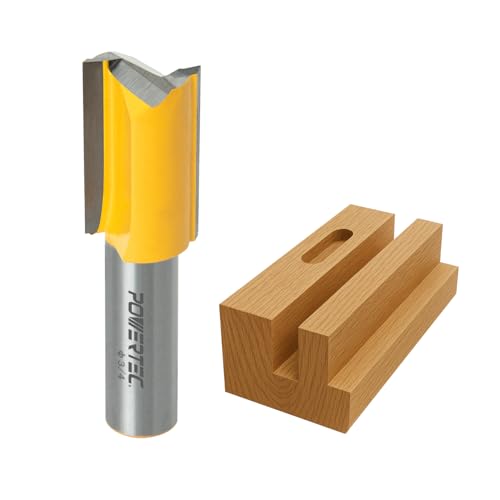
Brand: POWERTEC. This bit features a 1/2″ shank, 3/4″ cutting diameter, and 1-1/4″ cutting length. It’s designed with extra carbide on the top to allow direct plunging and is described as suitable for stop grooves, dados, mortises, and inlay work. The micro-grain YG6X carbide and anti-kickback design aim to improve wear resistance and user control. The larger shank reduces vibration in heavy-duty routers and CNC setups, making it a strong option for demanding plunge operations.
1/4-inch Shank 2-Flute Carbide Plunge Router Bit (4pcs)

Brand: NACX. This 4-piece set includes 1/4″ shank bits with a 1/4″ cutting diameter and a two-flute design for improved chip evacuation. The double chip evacuation geometry supports higher feed rates and reduces clogging during plunge operations. These bits are listed as suitable for composition materials, plywood, hardwood, and softwood. Multiple pieces in a set make it simple to replace or combine bits for small projects or stepped plunge cuts.
SpeTool Upcut Spiral Router Bit 1/8″ Cutting Diameter

Brand: SpeTool. This upcut spiral bit has a 1/8″ cutting diameter, 1″ cutting length, and a 1/4″ shank with a 3″ overall length. The upcut spiral geometry lifts chips away from the cut, which helps produce clean bottoms and fast chip removal during plunges. A protective coating is claimed to extend tool life. Due to the small diameter and long overall length, it’s suited for narrow grooves, deep plunge mortises, and CNC or handheld plunge work requiring a long reach.
Buying Guide: Choosing The Right Plunge Router Bit
Selecting the right plunge bit depends on application, machine, material, and desired finish. Below are the key factors to weigh before purchase.
Cutting Diameter And Length
- Diameter: Larger diameters remove more material per pass but require more power and larger collets. Small diameters enable fine details and narrow grooves.
- Cutting Length: Match depth of cut to the required mortise, inlay, or dado depth. For deep plunges, use bits with adequate cutting length or make multiple passes.
Shank Size And Router Compatibility
- Shank diameter: 1/4″ shanks fit small routers and most handheld tools; 1/2″ shanks offer better rigidity, less vibration, and improved finish on demanding cuts.
- Confirm your router’s collet size and choose a bit that seats securely to prevent runout and chatter.
Bit Geometry And Tip Design
- Plunge Point vs. Straight Top: Bits with a V or pilot plunge point allow quicker penetration and cleaner entry. Straight-top bits are better for flat-bottom mortises when used with staged plunging.
- Flute Count: Single-flute clears chips well in some plastics and softwoods; two flutes offer a balance between chip clearance and smoother cuts in hardwoods. Spiral bits lift or push chips (upcut vs. downcut) affecting entry/exit cleanliness.
Material And Coating
- Carbide-tipped or Solid Carbide: Carbide offers longer life and maintains edge sharpness on hardwoods and composites.
- Coatings: TiN or proprietary coatings can reduce friction and increase life, useful for abrasive materials like plywood with glue lines.
Application-Specific Considerations
- Panel Work & Large Cutouts: Choose bits with plunge tips and robust carbide tips to penetrate laminated panels without delamination.
- Inlays & Mortises: Look for flat-bottom capable bits and consider staged plunges or guided templates to maintain accuracy.
- CNC vs Handheld: Longer overall length bits fit CNCs and deep plunge needs; for handheld routers prefer shorter, stiffer bits to reduce chatter.
Safety And Performance Tips
- Use proper plunge technique: incremental depths, secure clamping, and correct feed rates to avoid tear-out or kickback.
- Ensure the collet and bit are clean and tightened to the correct torque for minimal runout.
- For laminated or veneered surfaces, use spiral downcut bits or sacrificial backing to reduce surface tear-out.
Comparison Perspectives
- Speed vs Finish: Single-flute and upcut spiral bits excel in fast chip clearing; two-flute and solid-carbide bits often yield smoother finishes at similar feeds.
- Cost vs Longevity: Carbide-tipped bits balance initial cost and long life for general woodworking. Solid carbide or coated bits are better for abrasive materials and high-production environments.
- Rigid Mounting: Use 1/2″ shanks on high-torque routers to reduce vibration for cleaner plunge results on harder woods.