Woodworking creates a mix of dust, fumes, and vapors that can affect indoor air quality and long-term health. The right respirator balances filtration, comfort, and compatibility with woodworking tasks such as sanding, painting, and finishing. Below are five respirator options that provide solid protection, fit, and durability for American woodworkers. This guide highlights features, filtration capabilities, and practical considerations to help you choose the right model for your shop.
| Product | Brand | Filtration Type | Key Use |
|---|---|---|---|
| AirGearPro G-500 Reusable Respirator | AirGearPro | A1P2 dual filtration | Gas, vapors, and dust |
| GVS SPR457 Elipse P100 Dust Mask | GVS | P100 dust filters | Dust and fumes |
| 3M Full Facepiece 6800 | 3M | NIOSH-approved cartridges/filters | Paints, chemicals, dust |
| BASE CAMP M Plus Dust Mask | BASE CAMP | 6-layer filters with activated carbon | Dust, odors |
| 3M P100/OV 65021 | 3M | OVA+P100 cartridges | Organic vapors and particulates |
Choosing the right respirator depends on the specific woodworking tasks, the presence of chemical finishes, and the need for comfort during long work sessions. The following product sections summarize each option’s strengths and filtration capabilities to help you compare at a glance.
AirGearPro G-500 Reusable Respirator

The AirGearPro G-500 is CE certified for multi-application protection, including painting, woodworking, and construction. It features a dual filtration system (A1P2) designed to guard against organic gases and vapors as well as solid particles. The anti-gas cartridges filter gases with boiling points above 65°C, while the P2 dust filter captures a high percentage of airborne particles. The mask is reusable, enabling you to replace filters when they reach the end of life, reducing environmental impact and extending usable life in a shop environment.
GVS SPR457 Elipse P100 Dust Mask
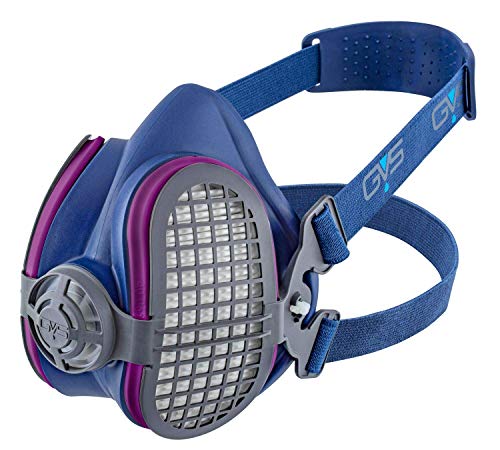
The GVS SPR457 Elipse offers a lightweight, compact design with P100 filters that are well-suited for dusty woodworking environments. It protects against a broad range of dusts and fumes, including materials common in woodworking such as stone, gypsum, wood dust, and mineral particles. This model emphasizes comfort and a wide field of vision, helping reduce fatigue during extended use. Filters are replaceable and designed for long service life, contributing to lower ongoing costs.
3M Full Facepiece 6800
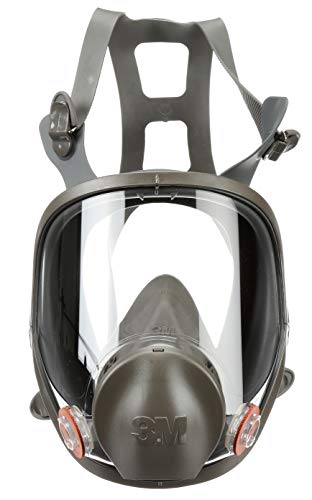
The 3M 6800 is a full-facepiece respirator that provides eye protection along with respiratory filtration. This model is NIOSH-approved and compatible with a range of cartridges for gases, vapors, and particulates, making it versatile for painting, sanding, and chemical work. A large lens offers an expansive field of view, and the silicone face seal improves comfort and durability. The design includes a four-point harness for a secure fit, which helps maintain filtration efficiency during movement.
BASE CAMP M Plus Dust Mask

BASE CAMP M Plus emphasizes a breathable design with a 6-layer filter system and activated carbon filters. The mask is built to block dust, pollen, odors, and pollutants while maintaining comfortable airflow. Its improved neck band and elastic system contribute to a better seal and fit for varied face shapes, a common challenge with longer woodworking sessions. While the filter shown is an example, replacing with a fresh one is recommended to maintain filtration efficiency.
3M P100/OV 65021

The 3M 65021 combines an OV cartridge with a P100 filter for effective protection against organic vapors and particulate matter. It’s NIOSH-approved and designed to reduce exposure to both solvents and solids encountered in woodworking, such as finishes, stains, and sanding dust. The product features a flexible frame and compatible accessories to tailor protection to the task while balancing comfort for longer wear.
Full Face Organic Vapor Respirator by Tesoro Moda

This full-face organic vapor respirator provides a heavy-duty option for chemical-heavy woodworking tasks, featuring dual activated charcoal filters and an airtight silicone seal. It includes a clear lens shield and an airflow valve designed to reduce humidity and heat buildup, helping maintain comfort during extended use. Note that some models may not be compatible with all eyewear; confirm fit for your specific setup before purchasing.
Buying Guide: Key Purchase Considerations For Woodworking
When selecting a respirator for woodworking, consider the following factors to ensure effective protection and comfortable wear:
- Filtration needs: Match filters to your typical tasks—dust-only sanding benefits from P100 or equivalent; painting and finishing may require organic vapor cartridges (OV) or dual-filter systems (gas/vapor plus particulates).
- Full-face vs half-face: Full-facepieces protect eyes from dust and chemical splashes but may be hotter and bulkier. Half-face models offer lighter weight but rely on separate safety goggles.
- Fit and seal: A secure seal around the nose and cheeks prevents leakage. Facial hair, face shape, and mask size affect fit; test a model if possible.
- Comfort and breathing resistance: Look for low breathing resistance and good airflow to reduce fatigue during long sessions. Ventilation features and cooling valves help control warmth.
- Reusability and maintenance: Reusable respirators with replaceable filters reduce long-term costs. Check filter availability and replacement intervals.
- Compatibility with eye protection: If you wear safety glasses or prescription lenses, consider models with integrated eye protection or ensure clear visibility through the mask’s lens.
- Durability and materials: Silicone seals tend to be more durable and comfortable; avoid brittle plastics that crack with temperature changes.
- Standards and certifications: Look for NIOSH approval status in the United States and CE certification where applicable for added assurance of performance.
In woodworking, the environment often contains a mix of dust particles and chemical vapors from finishes and adhesives. A dual-filter or OV+P100 setup can provide robust protection. Always follow manufacturer guidelines for fit, filter replacement, and maintenance to ensure maximum effectiveness in your shop.