Choosing the right residential log splitter involves balancing power, portability, and safety for home use. This guide highlights five top options that cater to typical home heating needs—from compact electric models to more powerful gas splitters. Each selection emphasizes reliability, wood handling capacity, and ease of use to help homeowners get consistent results for firewood, outdoor heating, or seasonal cleanup.
| Product | ||||
|---|---|---|---|---|
| WEN Electric Log Splitter (56208) | Electric | 6.5-Ton | Electric (15A) | Portable stand option; easy transport |
| BILT HARD Log Splitter (6.5 Ton) | Electric | 6.5-Ton | Electric (15A) | Two-hand safety controls; solid steel build |
| BILT HARD 25-Ton Horizontal/Vertical | Gas | 25-Ton | Gas (OHV Engine) | Dual position operation; high mobility |
| Boss Industrial 7 Ton Lightweight | Electric | 7-Ton | Electric | Lightweight with wheels; quick cycle |
| PPOLB 7 Ton Electric Splitter | Electric | 7-Ton | Electric (15A) | Compact; solid steel frame |
WEN Electric Log Splitter 6.5-Ton With Stand
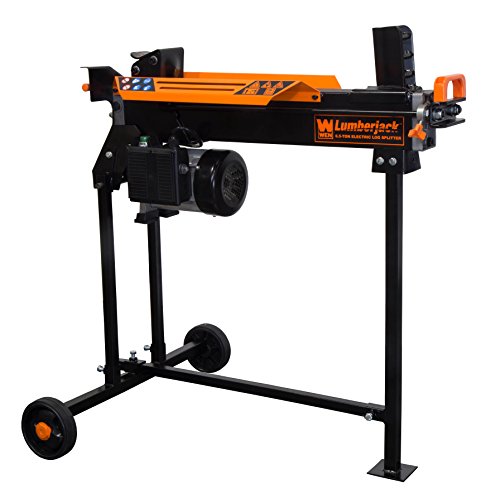
The WEN 6.5-ton electric log splitter delivers reliable residential performance with a 15A motor capable of cracking logs with over 13,000 pounds of pressure. It can be used with or without the included 34-inch stand, offering flexibility for different workspaces. A pull handle and 5.5-inch never-flat wheels aid in transportation between job sites, enhancing portability for homeowners who split wood seasonally or in multiple locations.
BILT HARD 6.5 Ton Log Splitter

The BILT HARD 6.5-ton electric log splitter features a 15A motor and a hydraulic ram designed to split logs up to about 9.8 inches in diameter and 20.5 inches long. The unit emphasizes durability with a steel frame and offers two-hand safety controls to reduce the risk of operator injury. It’s designed for quieter, fume-free operation compared with gas-powered units, and suggests a limit on extension cord length for consistent performance.
BILT HARD 25-Ton Gas Log Splitter

This gas-powered log splitter delivers a robust 25-ton splitting capacity with a 7 HP, 209 cc OHV engine. It’s capable of handling larger, harder logs and offers dual-position (horizontal/vertical) operation to reduce strain when splitting big rounds. It also features a standard hitch setup and DOT tires for easier transport to remote job sites or large-property work areas, making it a strong option for heavy, ongoing wood splitting tasks.
Boss Industrial 7 Ton Lightweight Electric
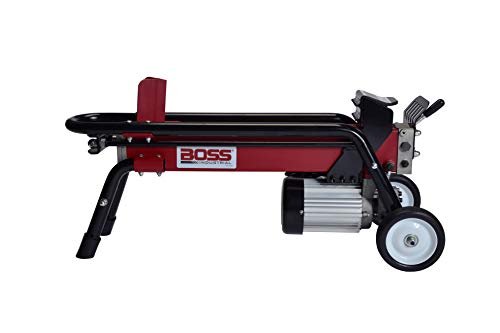
The Boss Industrial 7 Ton lightweight splitter emphasizes portability with rubber wheels and a compact footprint. It offers single-handed operation and a 7-ton hydraulic force suitable for typical home projects, making it a practical option for homeowners with limited storage space who still need reliable firewood splitting capability. The electric design supports safe indoor or outdoor use with low emissions and simple maintenance.
PPOLB 7 Ton Electric Log Splitter

The PPOLB 7-ton electric model offers a compact, mobile solution with a 15A motor and a sturdy steel frame. It’s designed for home use, handling logs up to roughly 21 inches long and 12 inches in diameter. The unit’s emphasis on a durable build and straightforward operation makes it a practical pick for homeowners who want a dependable electric option without the bulk of larger machines.
Buying Guide: Key Considerations For Residential Log Splitters
Power source and splitting force are foundational factors. Electric models, like the WEN and BILT HARD 6.5-ton units, deliver quiet operation, fewer emissions, and easier maintenance—ideal for urban or rented properties. They generally suit regular, moderate wood piles and smaller-diameter logs. Gas-powered splitters, such as the BILT HARD 25-ton unit, provide higher tonnage for larger rounds and tougher species but require fuel and more space for maintenance and storage.
Portability and weight directly affect where you can work. Units with wheels, foldable stands, or tow-ready hitch capabilities expand where you can split wood. For frequent outdoor use or work on uneven terrain, look for wide tires and a stable frame. Safety features, like two-hand controls and robust wedges, reduce risk during operation and are essential in family households with children or pets nearby.
Log dimension compatibility determines the usefulness for your typical firewood. Consider the maximum log length and diameter a model can handle, and whether the machine can process both horizontal and vertical cuts. If space is limited, favor compact electric models with solid steel construction and an efficient cycle time. For longer-term, heavier duties, a gas-powered option may be worth the extra footprint and upkeep.
Maintenance and accessories matter as well. Check oil capacity, hydraulic fluid types, and the availability of replacement parts. Some models include stands or wheels that improve ergonomics and transport. Finally, assess noise levels, emissions, and run-time requirements for your property’s usage patterns and local noise ordinances.
In summary, homeowners should match splitter power and size to typical wood loads, prioritize safety features, and consider storage space and mobility. Electric options are excellent for lighter, frequent use, while gas-powered splitters handle larger loads with less concern about continuous operation limits. The listed models cover a spectrum of residential needs, from compact daily use to dependable heavy-lifting for occasional large splits.