Choosing the right post hole digger can save time and reduce back strain on heavy digging by hand. The following selections cover manual, electric, and gas-powered options to suit different soils, project sizes, and user preferences. Each product highlights durable construction, ergonomic design, and the ability to tackle dense soil, roots, and rocky patches commonly found in American yards.
| Product | Brand | Best For |
|---|---|---|
| Fiskars 60″ Steel Posthole Digger | Fiskars | Long reach, hard soil, fence installations |
| VEVOR Post Hole Digger, 43cc Gas Powered Auger | VEVOR | Deep holes, varied soil conditions |
| XtremepowerUS | Electric ease, smaller to mid-size projects | |
| Nohovu Post Hole Digger, 58 Inch | Nohovu | Durable steel blades, fiberglass handle |
| VNIMTI | Sturdy build, comfortable grip |
Introduction continues below with detailed product insights designed to help you compare options side-by-side. The sections that follow provide focused information on five carefully chosen post hole diggers, each linked to its Amazon listing for quick viewing and purchase. Consider soil type, required hole depth, and whether you prefer manual, electric, or gas-powered digging when reviewing these choices.
Fiskars 60-Inch Steel Posthole Digger
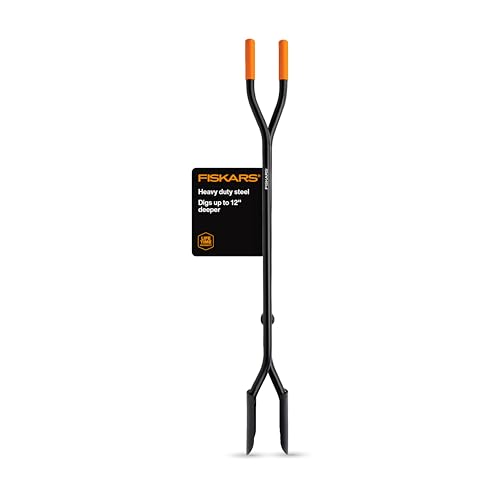
The Fiskars posthole digger combines a long, steel-pole design with a hardened steel blade. Its offset handles allow digging up to 12 inches deeper than standard models, making it suitable for deeper fence posts and railing installations. The sharpened blades cut through dense turf and compact soil with precision, while the long handle reduces kneeling soreness and back strain. Built with a welded, 14-gauge blade and 16-gauge steel handle, this tool emphasizes durability and value, backed by Fiskars’ reputation for long-lasting garden gear.
Key features include: long-handled construction for reduced strain, deep digging capability, and robust materials designed for repeated use in tough soil. It’s well-suited for homeowners and professionals who frequently install posts in challenging ground conditions. The design prioritizes durability and user comfort, ensuring dependable performance across multiple seasons.
VEVOR Post Hole Digger, 43cc Gas Powered Auger

The VEVOR gas-powered auger delivers a robust engine experience with a 43cc powertrain, capable of 9,350 RPM. Its ball-bearing shafts and alloy gears contribute to reliable gearbox performance, enabling efficient drilling in sandy soils, forests, or farmland. A large-capacity 1.2-liter fuel tank lets you drill multiple holes without frequent refueling, and the corrosion-resistant alloy steel drill bit adds long-term durability. A 47.2″ pull cord simplifies starting, while the heavy-duty welded steel handle supports stable operation in tough digging conditions.
Considerations for this model include fuel management, maintenance of the gas engine, and the need for regular auger bit swaps depending on soil conditions. This option is best for users who require deeper or faster digging across larger plots and who have space and safety setups for gas-powered equipment.
XtremepowerUS 1500W Electric Post Hole Digger
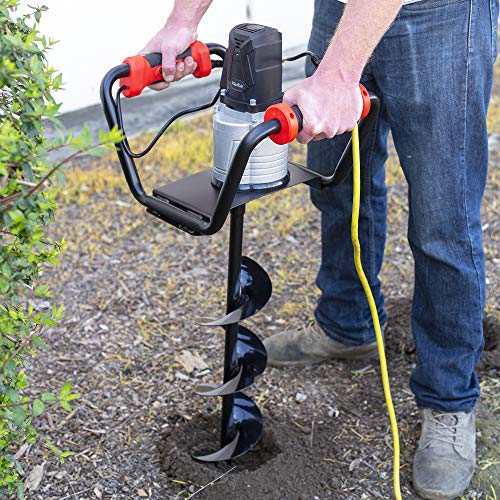
This electric digger is designed for homeowners and professionals needing lighter, easier operation on smaller projects. It features a 1500W motor and uses a 6″ digging auger bit, suitable for setting fence posts, planting trees, and other garden tasks. The safety lock prevents accidental starts, and the tool is engineered for stability with skid-proof handles for improved leverage. The drill bit is constructed from sturdy manganese steel, offering resistance to wear and corrosion in common digging scenarios.
When considering this option, users should assess electric availability, cord management, and the time required to complete tasks versus gas-powered units. It’s ideal for users prioritizing low maintenance, quieter operation, and indoor-friendly use in suburban settings.
Nohovu Post Hole Digger, 58 Inch
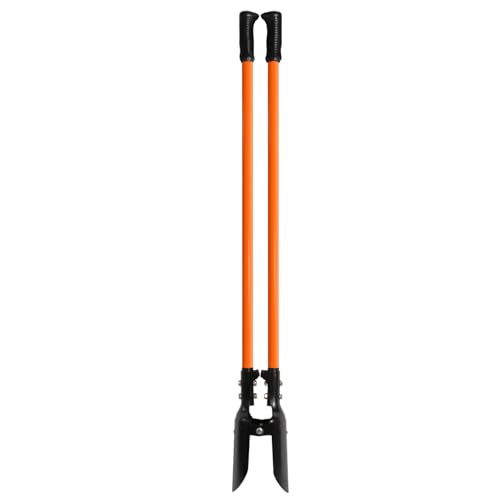
The Nohovu post hole digger emphasizes sturdy carbon steel blades paired with thick fiberglass handles. The blades are sharp with curved edges to facilitate rapid digging in hard soil, while the heavy-duty fiberglass handles provide durability and a comfortable, non-slip grip. Four reinforcing screws join the head to the handle, contributing to a reliable, long-lasting construction that resists loosening in tough working conditions.
Essential considerations include blade geometry, handle thickness, and overall tool balance. This model appeals to users who need a rugged manual digger that can withstand frequent use and demanding ground conditions without frequent replacements.
VNIMTI Post Hole Digger Tool, 58 Inches

The VNIMTI post hole digger features a heavy-duty steel blade and thick fiberglass handle, designed for impact resistance and durability. A non-slip grip on the handle improves user control, especially when digging in compact or rooted soil. The double-reinforced joints between the steel head and fiberglass shaft address common failure points in less robust models, ensuring reliable performance under demanding use.
Key considerations for this model include blade sharpness and maintenance, long-term handle resilience, and comfort during extended digging sessions. It’s a strong option for those who want a balanced manual tool with dependable construction for regular yard projects.
DAKEPOLE Post Hole Digger Tool, 55 Inch Handle

The DAKEPOLE tool features dual sharp-edge spades designed for versatile digging, root cutting, soil breaking, and weed removal. Its 55-inch long handle reduces back strain and offers extended reach for larger beds or fence lines. The set-up supports multiple garden tasks, functioning as a plugger, bulb planter, weeder, trench digger, and hole opener. This makes it a multi-use option for gardeners who prefer one tool to handle several jobs, especially when working in larger outdoor spaces.
Consider how often you’ll switch between tasks and whether a single tool with multiple functions aligns with your workflow. The enhanced reach and dual-blade design can improve efficiency for complex planting projects.
Buying Guide: Key Purchase Considerations
- Soil Type and Depth: For dense clay or rocky soil, a heavier, steel-blade digger or a powered auger can dramatically reduce effort. Manual tools require multiple passes to reach deeper depths.
- Power Source: Manual post hole diggers are quiet and maintenance-free but require more physical effort. Electric models offer ease of use for smaller jobs, while gas-powered augers excel in large or deep installations but require fuel handling and maintenance.
- Handle Length and Ergonomics: Longer handles reduce bending but can be harder to maneuver in tight spaces. Look for ergonomic grips, anti-slip materials, and weight distribution that minimize fatigue during extended sessions.
- Blade Design and Durability: Sharp, curved blades cut through roots and compacted soil more efficiently. Durable blades and reinforced joints increase tool lifespan under heavy use.
- Maintenance Needs: Steel components may require rust prevention and sharpening, while fiberglass handles resist weathering but may require inspection for cracks or loosening joints over time.
- Safety Considerations: Electric and gas-powered tools require proper safety protocols, including protective gear and safe storage. Manual tools should be checked for loose screws and solid blade alignment before use.
- Project Scope: For frequent fence installs or large garden projects, a combination of a high-quality manual digger and a powered auger can optimize efficiency. For occasional tasks, a well-made manual tool may suffice.
Across the options listed, users should assess their typical workload, soil conditions, and preferred maintenance level. The Fiskars model offers substantial reach and durability for frequent deep digs, while the VEVOR and Prowoo gas-powered options provide speed and depth for larger installations. Electric models like XtremepowerUS balance ease of use with portability for residential settings. Finally, mulitpurpose designs such as the DAKEPOLE provide flexibility for gardeners who want to tackle a range of tasks with a single tool.