Choosing the right circular saw can dramatically improve accuracy and efficiency on any project. This guide highlights five dependable models that cover corded and cordless options, compact and full-size cuts, and features like laser guides and bevel settings. Each entry includes core specifications to help you compare performance, grip, and versatility for common carpentry, remodeling, and DIY tasks.
| Product | Key Feature |
|---|---|
| SKIL 15 Amp 7-1/4″ Circular Saw (5280-01) | Single beam laser guide; 51° bevel with 45° stop |
| Skil 5080-01 13-Amp 7-1/4″ Circular Saw | Low weight; strong 51° bevel with stops |
| DEWALT 20V MAX Circular Saw (DCS391B) | Cordless, magnesium shoe; optimized comfort grip |
| Enventor 7-1/4″ Circular Saw | 10A motor; laser guide; 0°–45° adjustments |
| SKILSAW SPT67WL-01 15 Amp Sidewinder | Lightweight with 56° bevel, positive stop 45° |
SKIL 15 Amp 7-1/4″ Circular Saw With Laser Guide
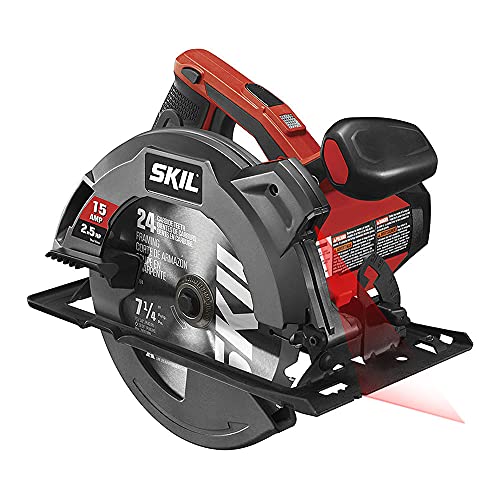
The SKIL 5280-01 model offers a robust 15-amp motor delivering 5,300 RPM for fast, clean cuts. It ships with a 7-1/4″ carbide-tipped blade and includes a spindle lock for easy blade changes, reducing downtime between cuts. A notable feature is the single beam laser guide, which helps maintain straight lines for rips and cross-cuts. The bevel capability reaches up to 51 degrees with a positive stop at 45 degrees, expanding options for various carpentry tasks. This saw is well-suited for framing, decking, and general remodeling where reliable upside-down or overhead cuts are needed.
Design and ergonomics favor sustained use, with a balanced feel that minimizes fatigue during long sessions. The tool’s electrical efficiency and blade alignment contribute to consistent performance across different materials, though users should ensure dust management is maintained for cleaner operation over time. Overall, it’s a practical choice for hobbyists and professionals seeking dependable power plus helpful alignment aids.
Skil 5080-01 13-Amp Circular Saw

The Skil 5080-01 brings a 13-amp motor designed to outperform lighter units, delivering strong cutting power with less effort on demanding tasks. It features a 51-degree bevel with positive stops, enabling precise angled cuts for framing, cabinetry, and trim work. A standout trait is the ergonomic balance that reduces user fatigue, making this model favorable for extended operations on-site. The saw’s weight and construction are tuned for steady accuracy, though users may notice higher energy consumption compared to cordless options.
With a lighter design compared to earlier models, this saw aims to minimize strain while preserving cutting depth and stability. It’s a solid choice for professionals who value power and a straightforward bevel system without complex setup. For projects emphasizing raw performance and reliable bevel stops, the 5080-01 remains a practical option in a crowded field.
DEWALT 20V MAX Circular Saw

This cordless DEWALT model runs on 20V MAX power, delivering a 5150 RPM motor that supports fast, versatile cuts without being tethered to a cord. The magnesium shoe provides jobsite durability with a lighter footprint for easier handling and reduced fatigue during overhead or extended use. The comfort grip is designed for balanced control, enhancing precision in cutting operations. While not included in this listing, the battery and charger significantly influence runtime and end-to-end performance, making this saw highly compatible with other DEWALT 20V tools for integrated tool ecosystems.
Its cordless nature makes it ideal for scaffolding, rooftop work, or remote sites where power sources are scarce. However, users should consider battery life and charging logistics for longer jobs. For those prioritizing mobility and modern ergonomics in a single-handled tool, this DEWALT saw provides dependable power with practical conveniences for finish carpentry and quick-rip tasks.
Enventor 7-1/4-Inch Circular Saw With Laser Guide

The Enventor model emphasizes a robust 10A motor delivering up to 5800 RPM, suitable for fast cross-cuts in laminate, wood, plastics, and other common materials. It includes a laser guide and two blades (40T/24T) for versatility, plus adjustable depth and angle (0° to 45°) to handle various project requirements. The device supports single-handed bevel adjustments, making it convenient for on-the-fly angle changes. A 2-meter power cord offers reasonable reach on most job sites, though longer tasks may benefit from extension options.
Users should note the importance of blade installation and tightening, as rear axle lock engagement is needed during blade changes. The laser guide improves cut accuracy, but effective alignment may require calibration on uneven surfaces. This model appeals to DIY enthusiasts and professionals who want precise straight cuts with straightforward setup and dependable performance in a compact form factor.
SKILSAW SPT67WL-01 15 Amp Sidewinder
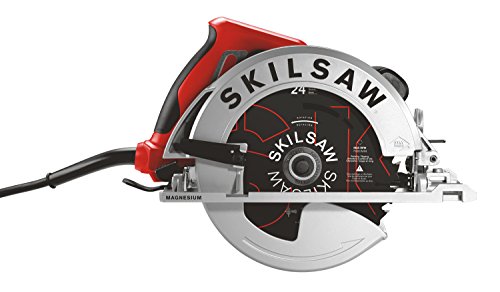
The SKILSAW SPT67WL-01 represents a lighter, professional-grade sidewinder with a 15-amp motor for demanding cuts. It features a 56-degree bevel with a positive stop at 45 degrees, enabling a broad range of cut angles for framing and finishing tasks. The lightweight magnesium or similar construction minimizes fatigue while maintaining durability on the jobsite. This model emphasizes torque, blade speed, and precision under heavy workloads, making it suitable for professional carpentry where long periods of cutting are routine.
Accuracy and ergonomics meet robust performance here, though the increased bevel range can demand steadiness to maintain perfect alignment on complex cuts. For contractors and experienced woodworkers seeking a high-power, maneuverable saw with extended bevel capabilities, the SPT67WL-01 is a strong candidate to include in a toolkit alongside other 7-1/4″ options.
Buying Guide: Key Purchase Considerations And Comparisons
- Power type: Corded vs. cordless. Corded saws deliver constant power and steady performance for continuous use, while cordless models offer portability for remote sites and overhead work. Consider project length and available outlets when choosing.
- Motor size and speed: Amperage (or volts) and RPM indicate raw cutting power. Higher amps and RPM support faster, cleaner cuts through dense materials but may increase weight and heat during extended use.
- Bevel range and stops: A wider bevel range (e.g., 0°–50°) increases cut versatility for framing and ripping. Positive stops at common angles (like 45° or 22.5°) help ensure repeatable cuts.
- Bevel and depth adjustments: Smooth, easy-to-set bevels save time on layout and ensure accuracy. Depth settings determine how deep you can cut and affect the quality of cross-cuts and dados.
- Ergonomics and weight: A balanced grip, comfortable handle, and manageable weight reduce fatigue on longer jobs. Lighter models help with overhead work and stair installations.
- Guidance systems: Laser guides and scale rulers improve straightness and reduce miscuts. Ensure lasers are easy to calibrate and visible in your working environment.
- Blade compatibility: Check blade size (7-1/4″ is common) and blade type (Hi-Carbon, carbide-tipped). The right blade can dramatically affect finishing quality and cut speed.
- Dust management: Dust extraction compatibility helps maintain visibility and reduces health risks. Look for saws with dust ports or easy vacuum integration.
- Portability vs. capacity: For compact spaces or one-person projects, smaller, lighter saws may suffice. For framing, cabinets, and heavy-duty tasks, larger 7-1/4″ models with solid motor power are preferred.
- Brand and support: Reputable brands provide better customer support, spare parts, and blade availability, which can extend tool life and reliability on job sites.
When assembling a toolkit for a range of common woodworking tasks, balance is essential. Corded models excel in reliability and continuous power, while cordless options deliver exceptional mobility at the potential cost of runtime. Consider the typical material mix, room layout, and personnel workflow to determine the right combination of saws. For many users, a core 7-1/4″ saw with solid bevels, a laser guide, and comfortable ergonomics covers the majority of cutting needs, with additional lightweight or compact models serving as portable backups or specialized tools.