Choosing the right wood glue for cabinet repairs and projects ensures durable joints that resist heat, moisture, and daily use. This guide reviews five top glues commonly used for cabinet work, balancing bond strength, water resistance, and ease of cleanup. Each option has strengths for interior cabinets, exterior repairs, or decorative upgrades, so you can pick the best fit for your project.
| Product | Brand | Key Strength | Best For |
|---|---|---|---|
| Titebond III Ultimate Wood Glue, 16-Oz | Titebond | Water cleanup while wet; strong, sandable bond | General cabinet repairs and assembly |
| Gorilla Wood Glue, 8 Oz | GORILLA | Fast clamping time; ANSI/HPVA Type II water resistance | Indoor/outdoor projects and quick builds |
| Gorilla Ultimate Waterproof Wood Glue, 18 Oz | GORILLA | Waterproof for outdoor use; long working time | Exterior cabinet repairs or hardwood installations |
| Titebond Original Wood Glue 5063, 8 Oz | Titebond | Industry standard; easy cleanup | Furniture repair and cabinet assembly |
| Meuvcol Wood Glue, 150g | Meuvcol | Weather-resistant and durable; precision applicator | Indoor/outdoor cabinets and crafts |
When selecting a glue for cabinet work, consider: bond strength, water and temperature resistance, open time, cleanup method, and whether the glue dries clear or sandable. The following sections break down each of the five recommended products, with a focus on practical cabinet applications and performance profiles.
Titebond III Ultimate Wood Glue

Titebond III Ultimate Wood Glue delivers a strong bond that remains robust beyond the wood itself. It offers excellent heat resistance and is easy to sand after curing. Cleanup is possible with water while the adhesive is still wet, supporting fast, mess-free cabinet repairs. This glue performs well for interior cabinet joints, edge gluing, and panel assembly where a clear, durable bond is essential.
Gorilla Wood Glue
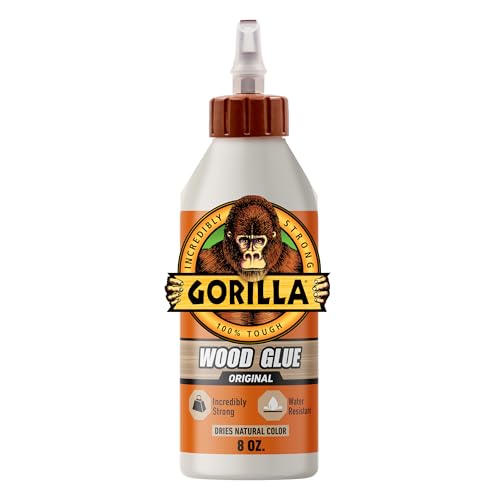
Gorilla Wood Glue is known for rapid setup, typically requiring only 20–30 minutes of clamp time and fully cured within 24 hours. It passes ANSI/HPVA Type II water resistance, making it suitable for interior or exterior cabinet work and repairs. It bonds well with hardwoods, softwoods, and natural wood composites, offering versatility for door panels, cabinet frames, and shelves that endure regular use.
Gorilla Ultimate Waterproof Wood Glue
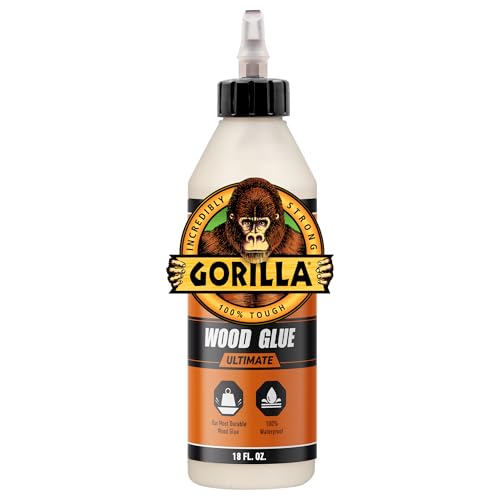
This Gorilla adhesive is designed for indoor and outdoor projects, boasting a waterproof bond that withstands water exposure, sun, and temperature extremes. Its 15-minute working time allows careful positioning before clamping. Curing results in a natural tan color, suitable for a wide range of woods and composites, including outdoor cabinet components or weather-exposed installations where a durable, water-resistant joint is critical.
Titebond Original Wood Glue 5063

Titebond Original Wood Glue 5063 is the industry standard for woodworking and cabinet repairs. It provides solid bonds for furniture assembly and repair projects with straightforward cleanup. While not the newest formula, it remains a reliable choice for traditional cabinet joints, ensuring compatibility with a wide variety of wood species and finishes used in cabinet-making.
Meuvcol Wood Glue

Meuvcol Wood Glue emphasizes a strong, reliable bond with weather-resistant performance ideal for both indoor and outdoor cabinet projects. It features a precision applicator that helps control glue placement, reducing mess during edge joining, panel lamination, or repairing frames. Its durability makes it suitable for baseboards, doors, and cabinet faces that face daily use and moisture exposure.
Buying Guide
Key purchase considerations for wood cabinet glue include bond strength, water and temperature resistance, open time, cleanup, and color. For interior cabinets, a strong, sandable, water-cleanup formula like Titebond III provides a balance of speed and resilience. For outdoor or moisture-prone areas, waterproof options from Gorilla (Ultimate Waterproof) or Meuvcol offer extended durability against rain, humidity, and sun exposure. When appearance matters, choose glues that dry clear or sand cleanly to minimize visible joints.
Open time and clamping: Short open times are convenient for quick repairs but may require careful pre-fitting. Longer working times allow precise alignment for cabinet doors and drawers, but may slow the project pace. Consider your workflow and plan clamps accordingly to avoid misalignment.
Application and cleanup: Water cleanup while wet is advantageous for fast cleanups, while a brush-applicator or precision tip helps control glue placement on narrow joints or mitered corners. Some formulas cure to a natural wood color, blending with light woods and hides adhesive lines better than clear formulas.
Wood compatibility: Most cabinet projects involve a mix of hardwoods, softwoods, and composites. A versatile glue that bonds well across species reduces the risk of weak joints. For high-traffic cabinets or outdoor installations, prioritize water resistance and glue integrity under temperature swings.
Finish and sanding: If you plan to stain or paint cabinets, select a glue that sands smoothly and does not swell wood excessively. Sandability reduces the need for extensive surface prep to achieve a uniform finish.