Replacing or repairing pool table bumpers requires the right adhesives and materials to ensure correct rebound, durable bonds, and a clean finish. Below is a concise comparison of top products related to bumper installation, rail cushion repair, slate joint filling, and cloth adhesion to help you choose the proper glue and complementary supplies.
| Product | Primary Use |
|---|---|
| ALECPEA Quick Dry Pool Cue Tip Glue | Fast-setting adhesive for cue tips; useful for small rubber-to-metal or rubber-to-rubber fixes |
| Polymat 777 Pool Table Felt Spray Adhesive | Spray adhesive for attaching replacement felt to slate and rails |
| Tweeten Plas-Co Cement | Filling slate joints and screw holes in table bed before cushions/felt installation |
| New Billiards Thick Cushion Facings | Rubber facings with adhesive backing—used to finish ends where bumpers meet rails |
| Podoy K66 Rubber Bumpers Replacement (Pack Of 6) | Full rubber rail cushions for restoring rebound and cushion profile |
ALECPEA Quick Dry Pool Cue Tip Glue

Features: High performance adhesive suitable for cue tips and most ferrules, rapid set time (10–20 seconds), 30ml screw-on bottle for controlled dispensing.
This rapid-setting cyanoacrylate-style formula is designed for small, fast repairs where strong, immediate bonding is needed. While marketed for cue tips, its fast cure and strong bond make it useful for certain bumper-related tasks such as gluing rubber facings to small wooden backing pieces or repairing torn rubber edges. Take care: such glues bond skin and some plastics instantly and are not suitable for repositioning large rubber cushions or gluing rubber to slate directly.
Polymat 777 Pool Table And Game Room Felt Spray Adhesive

Features: Spray adhesive formulated for non-woven fabrics and felts, high resistance to oils and stains, designed for durable cloth attachment.
Spray adhesives like Polymat 777 are commonly used to attach replacement felt to slate and rails because they provide even coverage and allow repositioning during installation before the bond sets. For bumper work, felt spray is not the adhesive for rubber-to-wood bonding, but it is essential when reinstalling cloth after cushion replacement. Ensure proper ventilation and follow cure times to avoid bubbling or bridging on slate edges.
Tweeten Plas-Co Cement For Filling Pool Table Slate Joints

Features: Specialized cement for filling slate joints and screw holes, formulated not to shrink when cured.
Before installing new rail cushions or applying adhesives, slate bed seams and screw holes should be properly filled and leveled. Plas-Co Cement is intended for this preparation step; a stable slate surface prevents flexing that could weaken rubber-to-rail adhesives. This product is not a rubber adhesive but a preparatory filler that improves the longevity and reliability of subsequent bonding operations.
New Billiards Set Of 12 Thick Pool Table Cushion Facings Rail Bumpers

Features: Heavy duty thick rubber facings with adhesive backing, used to finish cushion ends where they meet rails.
Pre-glued facings provide a convenient finishing component. Their adhesive backing is for securing facings to the rail and protecting the junction between cushion rubber and rail edges. Because adhesive-backed facings use pressure-sensitive adhesives designed for rubber-to-wood contact, they are useful for finishing but may need additional bonding agents when the original rail surface is dusty, painted, or irregular. Clean and prime the substrate before applying facings for the best long-term adhesion.
K66 Rubber Bumpers Replacement (Pack Of 6) – Podoy

Features: Premium-grade K66 profile rubber bumpers, designed for accurate rebound, value pack includes pocket facings, built to last.
Replacing full rubber cushions is often the best way to restore playability. For bonding new K66 rubber to wood rails, use adhesives formulated for rubber-to-wood or rubber-to-metal applications. Common choices are high-strength contact adhesives or specialized rubber bonding cements that maintain flexibility. When installing, ensure the rail surface is clean, dry, and free of old adhesive. Allow recommended cure time, clamp or weight the cushion in place evenly, and let adhesive fully set before trimming and applying facings.
Accuplay 20 oz Pre Cut Pool Table Felt – Billiard Cloth English Green
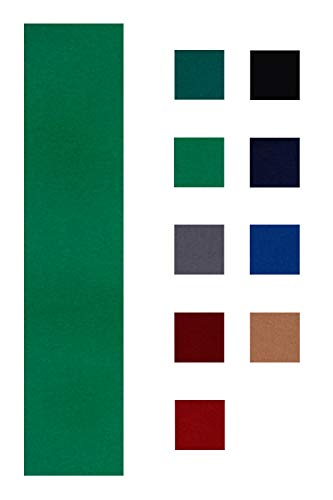
Features: Precut 20 oz medium-speed felt, suitable for 8′ tables, wool/polyamide blend, includes bed and rail pieces.
After replacing bumpers and ensuring cushion bonds are secure, re-covering the slate and rails requires felt and an appropriate adhesive such as a felt spray (e.g., Polymat 777) or a specialized contact cement recommended for billiard cloth. Choosing a cloth weight matching your play preferences and allowing adhesives to cure thoroughly will preserve felt tension and protect cushion bonds.
Buying Guide: Choosing The Right Adhesive And Materials
Bond Type And Materials: Match adhesive chemistry to materials: rubber-to-wood bonds require flexible contact adhesives or rubber bonding cements; felt-to-slate/rail bonds typically use spray adhesives designed for non-woven fabrics.
Flexibility And Longevity: Pool table cushions flex and compress. Select adhesives that remain flexible after curing to prevent delamination and maintain rebound characteristics.
Cure Time And Workability: Fast-setting cyanoacrylates are useful for spot repairs but offer little repositioning time. Contact adhesives and spray adhesives provide working time for alignment and smoothing.
Surface Preparation: Remove old adhesive, dust, grease, and loose particles. Use slate fillers like Plas-Co where gaps or screw holes exist to create a stable bed for subsequent bonding.
Adhesive Strength Vs. Rebound: Excessively rigid bonds can change cushion performance. Choose adhesives that bond firmly but allow slight movement where the rubber meets the rail.
Temperature And Humidity: Installation conditions affect cure and bond strength. Follow manufacturer recommendations and avoid installing adhesives in extreme cold or high humidity when possible.
Application Method: Spray adhesives give even coverage for felt; brush-on or trowel adhesives work for rail mounts. Use clamps or weights to maintain contact during cure for long seams.
Safety And Ventilation: Many adhesives emit strong fumes. Use appropriate ventilation, gloves, and eye protection. Avoid skin contact and keep adhesives away from sparks or flames.
Compatibility With Finishes: If rails are painted or varnished, test adhesion on a scrap area. Some adhesives adhere poorly to glossy finishes; light sanding or primer may be required.
Repair Versus Replacement: For minor tears or loose facings, quick adhesives like ALECPEA can work. For worn or crumbling cushions, full replacement with K66 bumpers and proper adhesive application yields better long-term performance.
Tools And Supplies: You may need a utility knife, adhesive spreader or spray gun, clamps or heavy weights, contact cleaner, sandpaper, and a straightedge to trim cushions and felt.
Comparison Perspectives:
- Durability: Rubber bonding cements and contact adhesives outperform quick glues for full cushion replacement.
- Speed: Cyanoacrylates are fastest for spot fixes; contact/spray adhesives take longer to position but create more reliable seams.
- Finish: Adhesive-backed facings simplify finishing but may need primer or additional adhesive for imperfect surfaces.
- Complexity: Full cushion replacement requires more preparation and time than replacing facings or patching with quick glue.