Full tang fixed blade knives are prized for strength, reliability, and versatility in outdoor tasks. Below is a concise comparison table of the selected knives to help you scan key specs quickly.
| Model | Blade Steel / Length | Handle | Notable Feature |
|---|---|---|---|
| Mossy Oak 14-inch Bowie Knife | 3CR13, 8.5″ blade | Rosewood Full Tang | Large Bowie profile with leather sheath |
| SOG Field Knife (FK1001-CP) | Stainless, 4″ blade | TPR Grip | Lightweight tactical/field design |
| Morakniv Garberg Carbon Steel | Sandvik 12C27, 4.3″ blade | Integrated Sheath + Kit | Scandi grind, firestarter & sharpener |
| REAT 8″ D2 Steel Knife | D2 steel, 8″ blade | G10 Ergonomic | CNC-ground edge, heavy-duty full tang |
| CVLIFE D2 Steel Survival Knife | D2 steel, unspecified blade length | Nylon Fiberglass | High-hardness D2 blade, comfort-fit handle |
Mossy Oak 14-Inch Bowie Knife

This full-tang Mossy Oak Bowie provides a long 8.5-inch clip point blade made from 3CR13 steel. The blade thickness of 3.7 mm pairs with a substantial overall length to support heavy cutting, chopping, and piercing tasks common in camping and survival. The rosewood handle with brass guard and pommel creates a classic look and balanced feel. The included leather sheath facilitates belt carry and protects the blade during transport. Features emphasize traditional construction, edge retention for general use, and a non-slip grip profile suitable for outdoor chores.
SOG Survival Field Knife (FK1001-CP)

The SOG Field Knife is a compact full-tang option with a 4-inch stainless blade optimized for lightweight field use. With an overall length near 8.5 inches and a 3.8 ounce weight, it is designed for users who need a low-bulk, quick-access fixed blade. The thermoplastic rubber (TPR) handle offers a grippy, low-maintenance surface. The clip-point profile supports piercing and detail work. Listed features highlight rust resistance, edge retention, and versatility across camping, tactical, and EDC scenarios where a smaller fixed blade is preferred.
Morakniv Garberg Full Tang Carbon Steel

Morakniv’s Garberg is presented as a robust bushcraft knife with a 4.3-inch hardened Sandvik 12C27 blade. The full tang construction and Scandi grind are tuned for woodworking, batoning, and controlled carving. The carbon steel blade thickness (0.13 in) and included accessories—a firestarter and diamond sharpener—address wilderness utility beyond cutting. The 90º spine geometry supports ferro rod use. This model’s features emphasize field repairability and specialized bushcraft tasks rather than heavy chopping or tactical applications.
REAT Full Tang D2 Steel Hunting Knife

The REAT fixed blade emphasizes durability with a full-tang D2 steel blade and an 8-inch length suitable for survival and hunting tasks. D2 offers high wear resistance and edge retention; the CNC water grinding process yields a refined, razor-sharp edge. The ergonomic G10 handle provides a secure, non-slip grip during heavy-duty work. The clip-point blade profile supports piercing and precision cuts. Feature notes focus on toughness, full-tang stability, and manufacturing processes that produce a resilient cutting edge for demanding outdoor use.
CVLIFE Full Tang D2 Steel Survival Knife
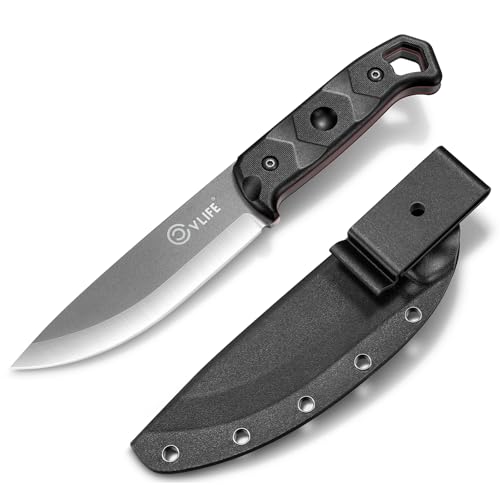
CVLIFE’s survival knife features a full-tang D2 steel blade rated around 60 HRC for hardness and edge retention. The nylon fiberglass handle is textured for a comfort-fit, non-slip hold across wet or dry conditions. The design advertises multi-role applicability—chopping, skinning, and bushcraft. With D2 steel and a focus on ergonomic control, the knife targets users who need a robust, general-purpose fixed blade for extended outdoor tasks, emphasizing durability and practical utility.
Buying Guide: Choosing The Right Full Tang Fixed Blade Knife
When selecting a full tang fixed blade knife, consider these core factors to match the tool to your intended use.
Blade Steel And Hardness
- Carbon vs Stainless: Carbon or high-carbon stainless (e.g., 12C27, 3CR13) takes and holds an edge well but can require more care to resist corrosion. Tool steels like D2 offer excellent wear resistance and edge retention but may need rust prevention.
- Hardness (HRC): Higher HRC (58–62) holds an edge longer but can be more brittle. Lower HRC steels are tougher and easier to resharpen in the field.
Blade Geometry And Grind
- Clip Point: Good for piercing and detail work; common on Bowie-style blades.
- Scandi Grind: Excellent for woodworking and controlled carving—favored by bushcrafters.
- Flat/V Edge: Versatile for slicing; consider intended chores when choosing grind type.
Blade Length And Thickness
- Short Blades (3–5″): Better for EDC, fine tasks, and legal carry considerations.
- Medium Blades (5–8″): Versatile for camping, hunting, and general survival tasks.
- Long Blades (8″+): Suitable for chopping, heavy-duty fieldwork, and large game processing.
- Thickness: Thicker spines support prying and batoning, thinner spines cut more efficiently.
Handle Material And Ergonomics
- Natural Wood: Classic look and balance, may need maintenance and can swell when wet.
- Synthetic Handles (G10, TPR, Nylon Fiberglass): Durable, weather-resistant, and often textured for grip.
- Fit And Shape: Ensure the handle matches your hand size and offers secure control for wet or gloved use.
Sheath Type And Carry Options
- Leather: Traditional and protective but heavier and can retain moisture.
- Kydex/Nylon: Lightweight, weather-resistant, offers modular carry and adjustable retention.
- Attachment Points: Check belt compatibility, vertical vs horizontal carry, and sheath retention strength.
Specific Use Cases
- Bushcraft/Woodworking: Prefer Scandi grind, moderate blade length (3.5–4.5″), and a robust spine for feathering and batoning.
- Survival/Rescue: Durable steel, 4–7″ length, easy-to-grip handle, and an included firestarter or sharpener can be valuable.
- Hunting/Field Dressing: A clip or drop point for controlled slicing, corrosion resistance, and comfortable handle for extended use.
- Tactical/EDC: Compact full-tang blades, lightweight handles, and secure sheaths suited for quick deployment.
Durability, Maintenance, And Resharpening
- Edge Maintenance: Softer steels are easier to resharpen in the field; harder steels hold an edge longer but can be harder to restore without proper tools.
- Corrosion Care: Wipe blades dry, apply light oil on carbon steels, and store sheaths in dry conditions to prolong life.
Comparing Multiple Perspectives
- Performance vs. Weight: Heavier full-tang knives offer strength for batoning but reduce carry comfort. Balance your need for durability against portability.
- Specialized Tools vs. Versatility: Purpose-built bushcraft or hunting knives excel at specific tasks, while general survival knives aim to cover many tasks adequately.
- Materials Trade-Offs: D2 and similar tool steels provide edge retention but may require more corrosion vigilance; stainless blends offer easier maintenance at the cost of slightly lower wear resistance.
Use the table and buying guide to match blade length, steel type, handle comfort, and sheath preference with the activities you plan to perform. Each full tang knife profile above highlights different strengths—choose the one aligned to your primary outdoor needs.