Choosing your first pocket knife means balancing safety, ease of use, and reliability. Below is a concise summary table of the five selected beginner-friendly pocket knives from the product list to help you compare core features at a glance.
| Product | Blade Material / Length | Handle / Design Highlights |
|---|---|---|
| Buck Knives 379 Solo | 420J2 Stainless, 2.25″ | Wood Handle, Lightweight, Clip Point |
| Kikkerland Huckleberry First Pocket Knife | Stainless Steel (multi-tool) | Wood Handle, 4-in-1, Keyring |
| CIVIVI Mini Praxis | D2 Steel, ~2.98″ | G10 Handle, Pocket Clip, Ceramic Bearing |
| Opinel My First Opinel No.7 Box Set | Stainless Steel, Rounded Tip | Beech Handle, Virobloc Lock, Child-Safe Design |
| Case WR XX My First Pocket Peanut | Stainless Steel, Small Blades | Classic Slipjoint, Compact 2 7/8″ Closed |
Buck Knives 379 Solo Single-Blade Folding Pocket Knife
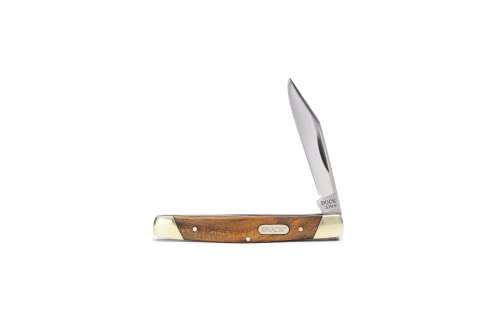
Durability And Practicality: The 379 Solo uses 420J2 stainless steel for a 2.25″ clip point blade that balances strength, corrosion resistance, and edge retention. Its single-blade design and lightweight closed length (3″, 0.9 oz) make it easy to carry and simpler to maintain for a first knife owner.
Use Cases: Recommended for everyday tasks, light field work, and outdoor activities like camping and fishing where a precise clip point helps with detail cutting. The compact size suits smaller hands and those wanting a discreet EDC option.
Kikkerland Huckleberry First Pocket Knife, 4-in-1

Lightweight Multi-Tool: This pocket knife emphasizes portability and versatility with a 4-in-1 toolset and a wooden handle. Its small footprint and keyring-ready design make it a convenient companion for outdoor activities or simple everyday tasks.
Beginner-Friendly Features: The comfortable wooden handle and compact form cater to first-time users who need an approachable tool rather than a heavy-duty blade. The multi-function nature makes it useful for basic camping, hiking, and fishing chores.
CIVIVI Mini Praxis Folding Pocket Knife
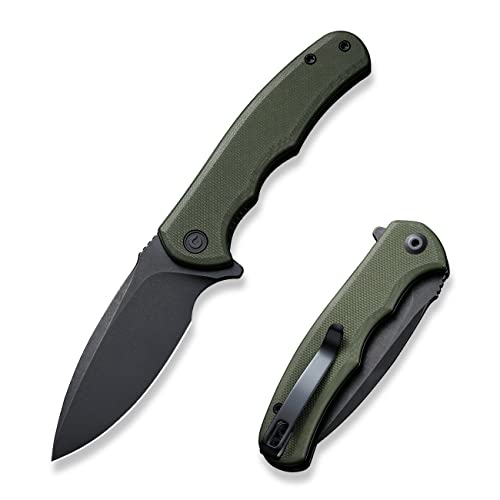
Performance-Focused Small EDC: Built with D2 steel and a G10 handle, the Mini Praxis offers strong edge retention and a secure grip. The ceramic ball-bearing pivot and strong detent enable fast one-handed deployment via a flipper while remaining compact and legal in many areas.
Straightforward Maintenance: D2 requires periodic care to avoid surface rust in harsh environments, but offers longevity between sharpenings. The pocket clip and low weight make it practical for daily carry once the user is comfortable with flipper-style opening.
Opinel My First Opinel No.7 Box Set
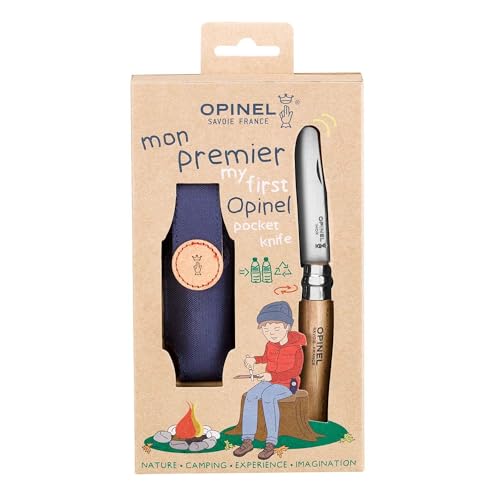
Child-Safe Learning Knife: The My First Opinel No.7 is designed for education with a rounded safety tip and a Virobloc locking collar to secure the blade. The set includes a sheath and uses sustainably sourced beech wood for the handle.
Who It’s For: Ideal for parents or instructors introducing knife skills in a controlled, Montessori-style approach. The blade form and locking collar encourage safe handling while teaching basic cutting tasks like food prep or whittling under supervision.
Case WR XX My First Pocket Worn Old Red Bone Peanut

Classic Slipjoint Design: The Case Peanut features traditional slipjoint blades (clip and pen) with a compact closed length of 2 7/8″. This small, easy-to-handle knife offers a familiar tactile action without locking mechanisms, which can be preferable for novices learning routine folding knife handling.
Practical Notes: Slipjoints rely on spring tension rather than locks; they are simple to use and maintain, making them a good fit for someone learning safe knife handling and basic cutting tasks around the house or outdoors.
Buying Guide: How To Choose Your First Pocket Knife
Selecting the right first pocket knife depends on intended use, safety needs, legal considerations, and materials. Below are key factors to weigh when choosing a beginner-friendly knife.
- Intended Use: Identify primary tasks — light EDC tasks, camping, learning knife skills, or emergency/rescue needs. Multi-tools and small blades fit casual chores; dedicated blades work better for camping and field tasks.
- Blade Length And Shape: Shorter blades (around 2–3″) are easier to control and often meet legal carry limits. Clip point or drop point shapes are versatile; rounded tips add safety for children.
- Blade Steel: Stainless variants (420J2, common stainless) resist corrosion and are low maintenance. Tool steels (D2) hold an edge longer but may need more care in wet environments.
- Handle Material And Ergonomics: Wood and G10 offer different feels — wood is warm and classic, G10 is durable and moisture-resistant. Ensure the handle suits hand size and grip comfort.
- Opening Mechanism: Slipjoint and manual folding are safe learning options. Assisted openers or flippers are faster but require training for one-handed operation and carry legalities awareness.
- Locking Mechanism: Locks (liner, frame, Virobloc) provide added safety during use. Slipjoints are simpler but rely on user control. For beginners doing heavier tasks, a locking knife reduces accidental closure risk.
- Legal And Local Rules: Check local and state laws for blade length limits and assisted-opening restrictions. Smaller blades and non-assisted mechanisms often avoid legal complications.
- Maintenance: Consider ease of sharpening and corrosion prevention. Stainless steels and simple blade profiles are easier for first-time maintainers.
- Safety Training: Practice basic handling, cutting direction, and closing technique in a controlled environment. Choose a model with safety features that match the user’s experience level.
- Portability: Pocket clips, keyring attachments, and lightweight builds affect daily carry comfort. Decide whether discreet carry or quick access is the priority.
Comparison Perspectives To Consider
Safety vs. Performance: Knives like the Opinel My First prioritize safety and teachability with rounded tips and locking collars, while the CIVIVI Mini Praxis focuses on performance with D2 steel and fast deployment.
Classic Simplicity vs. Modern Features: Traditional slipjoints (Case Peanut) provide tactile, simple operations good for learning. Modern EDCs (CIVIVI) add pocket clips and bearings for convenience but introduce more moving parts.
Multi-Tool Utility vs. Dedicated Blade: The Kikkerland Huckleberry offers multiple functions in a compact form suitable for casual outdoor tasks. Single-blade knives (Buck Solo) give focused cutting performance and straightforward maintenance.
Beginner Learning Curve: Start with lower-complexity mechanisms (slipjoint or simple locking collar) and shorter blades, then progress to assisted or high-performance steels once comfortable with safe handling and maintenance.