Choosing the right electric hand sander can transform DIY projects and professional work alike. This guide highlights top performing models, balancing power, control, dust management, and comfort. Each product below is selected for versatility across wood, metal, and hobby projects, with practical features like dust collection, variable speed, and reliable paper retention. Read on to compare options and find the best sander for your workshop.
| Product | Brand | Notes |
|---|---|---|
| SKIL 5” Random Orbital Sander with Cyclonic Dust Box | Skil | Strong motor, cyclone dust box, variable speed |
| WEN 6301 Electric Detailing Palm Sander | WEN | Compact, precise, lightweight |
| DEWALT 1/4 Sheet Sander, 14,000 OPM | DEWALT | High speed, comfortable grip |
| SKIL Corded Multi-Function Detail Sander | Skil | 4-in-1 with micro-filter dust box |
| DEWALT Random Orbit Sander, 5-Inch | DEWALT | Vibration reduction, sealed switch |
SKIL 5” Random Orbital Sander with Cyclonic Dust Box

The SKIL SR211601 delivers a robust 2.8-amp motor that reaches up to 13,000 orbits per minute, enabling smooth sanding across materials and curves. Its cyclonic X-flow dust box improves dust collection and provides a transparent, easy-to-empty container. A built-in variable speed control lets users dial in the right power for different tasks, from rough material to fine finishing. The combination of power, dust management, and control makes this sander a solid all-around choice for projects like furniture refinishing and cabinetry work.
WEN 6301 Electric Detailing Palm Sander

The WEN 6301 offers a compact 3.75 x 5.5 inch pad with an angled tip for precision work. Its 1-amp motor delivers about 13,500 OPM, making it suitable for detailed finish tasks. Weighing roughly two pounds, this palm sander minimizes fatigue during longer sessions. While not the most aggressive option, its precision-oriented design excels in tight corners, furniture details, and decorative trim where control matters most.
DEWALT Electric Sander, 1/4 Sheet, 14,000 OPM

DEWALT’s 1/4 sheet sander runs at up to 14,000 OPM with a 2.3-amp motor for fast material removal. A rubber overmold provides comfortable, secure grip, while the improved paper clamp helps with retention and reduces slipping. This model is a practical choice for mid-size projects where consistent speed and stable handling are important, such as finishing tabletops or doors.
SKIL Corded Multi-Function Detail Sander
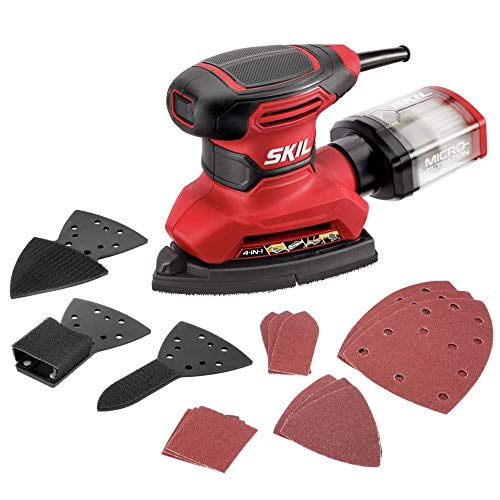
This Skil SR232301 blends versatility with practical dust management. It features a 1.2-amp motor producing up to 13,500 OPM, suited for multiple sanding tasks across surfaces. The tool includes three additional detail attachments for corners, edges, and contour work. Its micro-filtration system, along with a 1-1/4 inch dust port, helps keep dust under control when attached to a vacuum, making it a solid choice for fine finish work and small projects.
DEWALT Random Orbit Sander, 5-Inch

DEWALT’s 5-inch random orbit sander features a 3-amp motor delivering 8,000 to 12,000 OPM and a separate counterweight to reduce vibration. A dust-sealed switch protects against dust ingestion, contributing to longer switch life in dusty workshops. This model is well-suited for mid- to large-scale sanding tasks, offering comfortable operation and consistent performance across varied materials.
Buying Guide: Key Purchase Considerations
- Power and speed range: Larger projects benefit from higher OPM and broader speed control. Look for models with at least 8,000–12,000 OPM and variable speed options for different materials.
- Orbital vs detail sanding: Random orbital sanders are versatile for flat surfaces and contours, while detail sanders excel in tight corners and edges. A 4-in-1 or multi-attachment sander increases flexibility for complex work.
- Dust management: Effective dust collection reduces cleanup and improves visibility. Consider built-in cyclone boxes, micro-filtration systems, and compatibility with vacuum attachments.
- Ergonomics and weight: Lighter tools reduce user fatigue during extended sessions. Rubber overmold grips and balanced weight distribution enhance control.
- Paper retention and change ease: Quick-change clamps or hook-and-loop paper systems save time. Ensure sandpaper availability in common grits (80–320) for various tasks.
- Durability and noise: Look for durable housings, sealed switches, and vibration-damping features. Quieter operation is beneficial in enclosed spaces or daytime projects.
- Accessory ecosystem: Some models include multiple attachments or a dust box with filters. A broad accessory kit offers better value and longer-term usability.
Choosing between cordless versus corded depends on mobility needs and project length. Corded sanders deliver consistent power for extended use, while cordless options foster mobility for spot sanding away from outlets. For most workshop settings, a corded model with strong dust management and a comfortable grip provides reliable, repeatable results across a range of tasks.