Choosing a compact, effective dust collection setup is essential for small shops. The following selections balance cost, performance, and ease of use, helping you keep air clean and workspaces comfortable without overwhelming space or budget.
| Product | Brand | Key Benefit |
|---|---|---|
| WEN DC1300 1,300 CFM Dust Collector | WEN | High airflow, dual inlets for multiple tools |
| The Dustopper PRO Low-Profile Dust Separator | Dustopper | Efficient cyclone separation to protect vacuums and bags |
| POWERTEC 1 HP DC1081 | POWERTEC | Compact 800 CFM with 1-micron bags |
| ROCKLER 9 Gal HEPA Dust Collector | ROCKLER | HEPA filtration with auto-start for tool activity |
| DEWALT DWXAF101 Air Filtration System | DEWALT | Three-stage filtration with remote timing and sensor modes |
WEN DC1300 1,300 CFM Dust Collector

The WEN DC1300 is a robust, portable dust collector featuring 1,300 CFM airflow and a 50-gallon collection bag. Its dual 4-inch inlets allow connecting up to two tools simultaneously, which helps reduce tool-change downtime in small shops. The vertical bag design supports substantial dust capacity, minimizing bag changes during long sessions. This unit is suited for mid-sized hobby shops that need consistent suction and easy mobility.
Key considerations include space for the 50-gallon bag, the noise level at full operation, and the availability of replaceable bags and filters. For small spaces, the footprint is manageable, and the dual inlets improve workflow by allowing multiple machines to drain chips and dust without a bottleneck. Regular maintenance of the collection bag and inlet seals helps sustain performance.
The Dustopper PRO Low-Profile Dust Separator

The Dustopper PRO focuses on separation efficiency to reduce dust before it reaches a vacuum or bag. Its low-profile design fits beneath benches and around tight spaces, while the high-flow 90-degree sweep elbows and compatible hoses support a versatile setup. The device emphasizes maximum separation rather than merely high CFM, helping to cut filter and bag costs over time.
For small shops, the Dustopper PRO offers a strategic upgrade to protect your primary dust collector and improve overall airflow stability. When choosing, consider your current vacuum or collector compatibility, the availability of standard buckets, and how often you plan to replace filters. This accessory shines when paired with a capable main collector or portable vacuums.
POWERTEC 1 HP DC1081 Dust Collector

The POWERTEC DC1081 delivers 800 CFM with a compact footprint designed for smaller shops. It includes a 1-micron filtration bag and a durable base with casters for mobility. This setup suits woodshops that require steady dust capture at the source without overwhelming space. Quick-release clamps simplify bag changes, supporting cleaner air and easier maintenance.
Consider this option if you want a balance between airflow and footprint. Access to replacement bags and seals is important to maintain suction performance. The DC1081’s portability makes it a good fit for workshops that reorganize tools seasonally or frequently switch work zones.
ROCKLER 9 Gal HEPA Dust Collector

ROCKLER’s HEPA-equipped dust collector gently balances power and filtration. With an auto-start feature tied to power-tool use, it improves workflow by reducing idle run time. The 9-gallon tank remains portable, and the washable HEPA filter targets particles down to 0.3 microns, contributing to a cleaner shop environment.
Key trade-offs include noise level, filter maintenance, and the tradeoff between compact size and capacity. For small shops that frequently change tools, the integrated auto-start and ease of filter cleaning are major benefits. Ensure your power tools can interface with the auto-start system for seamless operation.
DEWALT DWXAF101 Air Filtration System
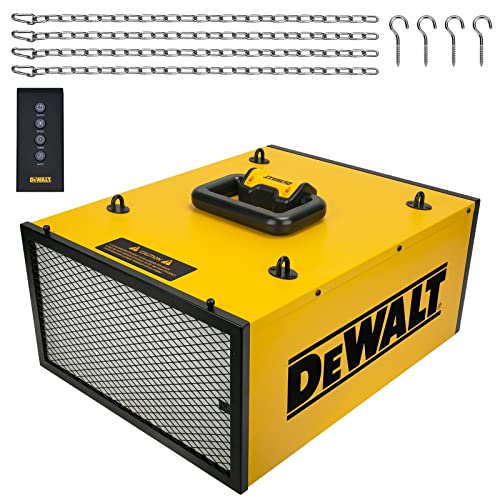
DEWALT DWXAF101 provides enhanced air quality with a 2-stage filtration setup and remote control for easy adjustments. It features an adjustable three-speed operation and sensors to identify air quality shifts, enabling smart operation even when you’re away. This makes it a solid choice for those prioritizing filtration in addition to dust collection.
In small spaces, this unit can complement a main dust collector by handling airborne particulates that escape primary collection. Consider the installation location, ease of remote control use, and whether you want a standalone filtration system or an integrated dust collection approach.
Buying Guide: Key Purchase Considerations
- Airflow vs. Space: Higher CFM provides more suction but larger units occupy more room. Measure your shop and plan for outlet availability and ducting layouts.
- Filtration: HEPA-rated filters and micron-level bags capture fine dust. Review replacement costs and availability when budgeting.
- Separation vs. Suction: Cyclone separators (like the Dustopper PRO) reduce filter loading by capturing dust early. Weigh upfront costs against ongoing bag/filter expenses.
- Tool Compatibility: Ensure inlets and hoses match your tools’ ports (diameters commonly 4 inches or 2.5 inches for separators). Quick-connect fittings improve workflow.
- Mobility and Setup: Castors, wall mounting, or ceiling mounting options affect layout. Small shops benefit from lightweight, portable solutions.
- Maintenance: Easy access to bags, replacement filters, and seals reduces downtime. Consider brands with clear maintenance routines and readily available parts.
- Noise and Safety: Some units run louder than others. Check decibel ratings and ensure proper dust handling to comply with safety guidelines in your workspace.
- System Expansion: If you foresee adding tools, choose a system with scalable inlets or an accessory upgrade path.
Overall, for a small shop, a layered approach often works best: a primary dust collector for rough capture (e.g., 800–1,300 CFM), complemented by a separator or portable HEPA filtration to catch fine dust and improve air quality. This combination helps maintain a cleaner air environment while keeping equipment within a reasonable footprint.