Choosing the right cross cut saw blade can dramatically improve finish quality and cutting speed when working with hardwoods, plywood, and other common woods. This guide highlights top cross cut blades from trusted brands, focusing on TiCo carbide performance, tooth geometry, kerf, and durability. Each option is evaluated for clean finishes,效率, and long-lasting edge retention. Use these picks to match your miter, table, or radial arm saw tasks.
| Product | Brand | Teeth | Kerf | Arbor | Special Features |
|---|---|---|---|---|---|
| Freud LU88R010 | Freud | 60 | .090″ | 5/8″ | TiCo blend, ATB grind, smoother crosscuts |
| Freud LU73R010 | Freud | 60 | — | 5/8″ | Hi-ATB grind, TiCo blend for crosscuts |
| WEN BL1080 | WEN | 80 | 1/10″ | 5/8″ | Ultra-fine finish, high RPM compatibility |
| Diablo D1280X | Diablo | 80 | — | 5/8″ | TiCo Hi-Density, Perma-Shield coating |
| CMT Orange Tools 285.680.10 | CMT ORANGE TOOLS | 80 | .118″ | 5/8″ | ATB grind, orange chrome coating |
The following sections profile five cross cut blades that consistently deliver clean, precise cuts with durable performance. Each product section includes a clickable Amazon link, an image, and a concise feature summary to help you compare options at a glance.
Freud LU88R010: 10″ Thin Kerf Crosscut Blade

Design and materials emphasize clean crosscuts with smoother finishes. Arbors are standard 5/8″, and the blade features a .090″ kerf for reduced material waste and quicker cutting. The 60 teeth with a TiCo Hi-Density carbide blend delivers durable performance for hardwoods and plywood alike. Positive hook angles support a smoother feed and faster cutting progress, making it a strong choice for precise cabinetry work and finish carpentry.
Freud Cabinetmaker’s Crosscut Blade LU73R010

This blade uses a Hi-ATB grind with a 38-degree tooth bevel to optimize crosscuts on double-sided veneer plywood and melamine. The TiCo carbide blend balances edge retention with cutting life, which helps maintain consistent cuts across longer projects. Its 60 teeth and 5/8″ arbor align with common 10″ saws, producing clean, smooth finishes ideal for cabinetry and fine carpentry tasks.
WEN BL1080: Ultra-Fine 10″ Saw Blade
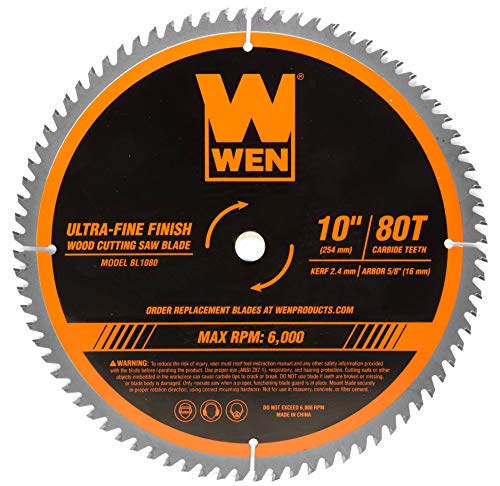
Ideal for miter and table saw applications requiring a fine finish, the WEN BL1080 offers 80 teeth and a thin 1/10″ kerf to minimize waste and deliver precise cuts. Its 5/8″ arbor is compatible with most standard saws, and the blade is rated for high RPM, enabling smooth cuts through both soft and hard woods with reduction in tear-out. A solid option for finish carpentry and hobbyists seeking an ultra-clean edge.
Diablo D1280X: 12″ Fine Finish Blade
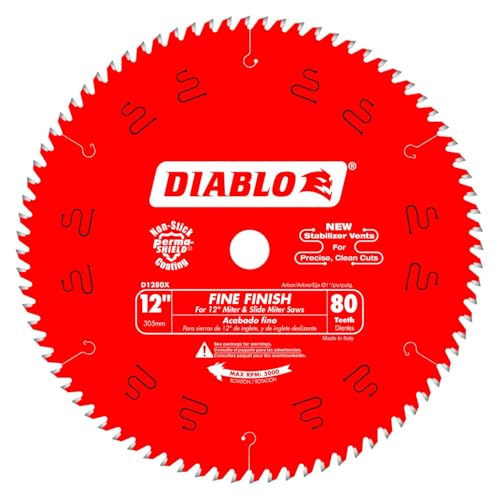
Made with TiCo Hi-Density carbide for optimized wood cutting and a Perma-Shield non-stick coating to reduce gumming and heat buildup. The 12″ blade with 80 teeth provides a balance of speed and ultra-clean finishes, suitable for fine cabinetry, shelving, and decorative trim work. Its design reduces scorching and extends blade life during repeated crosscuts on difficult woods.
CMT Orange Tools 285.680.10 Crosscut Blade

Featuring an ATB grind with 80 teeth and a .118″ kerf, this 10″ blade is designed for fast, clean crosscuts on a variety of woods, including plywood and veneer. The 5/8″ arbor matches standard saws, and the blade’s coating helps resist heat and corrosion during longer sessions. The blade’s geometry supports a smooth cut and reduces finishing work on cabinetry projects.
Buying Guide: Key Considerations For Choosing A Cross Cut Blade
When selecting a cross cut blade, consider the following factors to ensure you get the best balance of performance, durability, and finish quality for your projects.
- Teeth count and tooth geometry: Higher teeth counts (60–80) with ATB or Hi-ATB profiles typically yield cleaner finishes with less chipping, especially on plywood and veneered surfaces. ATB angles across blades improve crosscut quality, while Hi-ATB can offer smoother results on tough woods.
- Kerf and material waste: Thinner kerfs (0.10″ or less) reduce material waste and require less energy to cut, often yielding finer finishes. Heavier kerfs cut faster through dense woods but create more waste and potentially more resistance.
- Coatings and durability: TiCo carbide blends and Perma-Shield coatings improve wear resistance and reduce gumming from resin in woods. This helps blades stay sharp longer and maintain consistent cuts under heat.
- Arbor compatibility: Most 10″ cross cut blades use a 5/8″ arbor. Confirm compatibility with your saw to avoid vibration or fit issues. Some blades offer alternative bore sizes; adapters may be needed.
- Application focus: Cabimetry and finish work benefit from blades with finer teeth for clean edges, while general-purpose crosscut tasks may tolerate mid-range tooth counts for faster cutting. For veneers and melamine, blades with specific grind patterns and coatings can minimize chipping and chattering.
- Blade life and maintenance: Coatings, heat resistance, and carbide density influence blade life. Regularly clean blade surfaces and inspect teeth for wear or chipping to maintain performance.
- Noise and vibration: Some blades run smoother on certain saws; if vibration is a concern, look for blades with balanced tooth patterns and high-quality carbide.
These blades provide a balance of clean finishes, durability, and versatility for typical home workshops and professional settings. When in doubt, match tooth geometry and kerf to the specific materials you cut most often and to the saw you own for optimal results.