The right concrete grinding wheel can dramatically improve stock removal rates, surface finish, and tool life. This guide highlights five top options that balance aggressive material removal with durability and control. Each selection serves different grinding tasks—from coating removal to leveling and cleaning—while fitting standard 7-inch or 4-1/2-inch grinders. Use the buying guide at the end to compare key considerations and choose the best match for your project needs.
Summary of selected products:
| Product | Brand | Diameter / Arbor | |
|---|---|---|---|
| 4.5″ Diamond Grinding Wheels for Concrete | EDiamondTools | 4.5″ / 5/8″-11 | #30/40, Medium bond |
| KSEIBI 644030 Diamond Concrete Wheel | KSEIBI | 4 1/2″ / 5/8″-11 | Coarse to mid segments (Double Row), versatile |
| SALI 7 Inch Concrete Wheel | SALI | 7″ / 5/8″-11 | 30/40, 20 segments, turbo design |
| 7″ EDiamondTools Diamond Wheel | EDiamondTools | 7″ / 5/8″-11 | #30/40, Medium bond, 24 Turbo segments |
| KSEIBI 644116 Diamond Wheel | KSEIBI | 4 1/2″ / 5/8″-11 | Double Row, versatile concrete surface work |
4.5″ Diamond Grinding Wheels for Concrete or Masonry

Designed for multipurpose use, these wheels are suited for grinding, cleaning, leveling, or coating removal on concrete and masonry surfaces. With a #30/40 grit size and a medium bond, they balance fast material removal with a controllable finish. The 5/8″-11 arbor matches most standard angle grinders, helping ensure compatibility across common brands.
Key considerations include material compatibility and workflow. The medium bond is a compromise between aggressive stock removal and longer wheel life, making this wheel suitable for a range of concrete textures—from smooth pours to rough patches. Wet or dry use is possible, but for best efficiency, consider light cooling and consistent feeds to minimize heat buildup.
KSEIBI 644030 Diamond Concrete Wheel 4 1/2 Inch

This double-row, segmented diamond cup wheel is engineered for rapid material removal on concrete and fieldstone. It excels at removing thinset, coating, and other surface materials on quick-turn projects. The wheel is compatible with standard angle grinders and many grinding machines, enabling efficient work on concrete, ceramic, tile, marble, and granite.
From a performance perspective, the double-row design increases contact with the surface, enabling faster cleanup. The wheel’s segmentation and geometry support a variety of stone types, making it a flexible option for both renovation and new construction tasks. Operators should monitor temperature to prevent glazing or glaze buildup during extended grinding sessions.
SALI 7 Inch Concrete Grinding Wheel

With 7 inches of grinding diameter and 20 turbo diamond segments, this wheel is built for high-performance coating removal and surface preparation. The 5/8-11 threaded arbor supports common grinders, and the 30/40 grit size is optimized for efficient material removal while leaving a workable finish. The design emphasizes high RPM performance up to 8600, enabling quick stock removal on concrete and related materials.
Its unique porous design helps dampen noise and manage heat, contributing to more comfortable operation and longer wheel life in demanding environments. This wheel is well-suited for removing epoxy coatings, paints, mastics, and similar surface treatments on concrete, masonry, and related substrates.
7″ Diamond Grinding Wheels for Concrete or Masonry

This 7-inch wheel features 24 turbo segments and a #30/40 grit range with a medium bond. It is designed for aggressive grinding and coating removal on concrete and masonry surfaces, offering robust stock removal while maintaining control. The 5/8″-11 arbor ensures broad compatibility with popular 7-inch grinders, making it a versatile choice for contractors and DIY enthusiasts alike.
Users should plan for heat management during extended use, as high-speed grinding can heat coatings and substrates. The wheel’s construction emphasizes durability and even wear across the segments, contributing to consistent results across multiple projects.
7″ High Performance Diamond Grinding Wheel
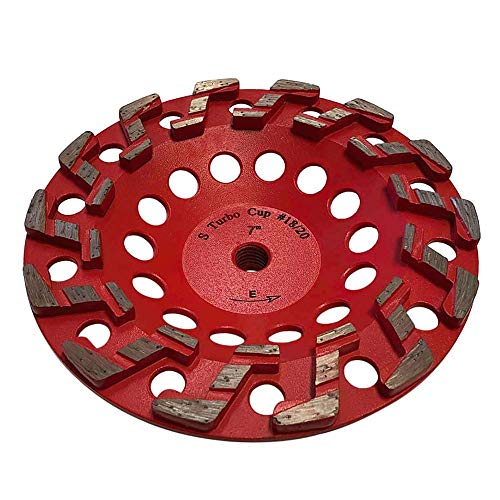
This wheel targets aggressive concrete stock removal with higher-grade diamond grit. The designated S segments enhance cooling and efficiency in demanding applications, such as removing coatings, epoxy, and mastics. The disc’s 7-inch diameter paired with a 5/8″-11 arbor suits larger grinders for faster progress on bigger surface areas, while maintaining control over aggressiveness and finish quality.
Performance considerations include heat buildup and wear rate. The higher diamond concentration supports longer wheel life under heavy use, but operators should monitor surface temperature and wheel wear to optimize results and prevent glazing.
KSEIBI 644116 Diamond Wheel 4 1/2″

The 4 1/2-inch KSEIBI wheel with a double-row segmented design delivers efficient grinding on concrete and stone surfaces. It’s a versatile option for cleaning and coating removal on a range of materials, including cement, tile, and granite. The double-row configuration supports more aggressive material removal in a shorter time frame, making it suitable for small to mid-sized projects where speed matters.
Consider compatibility with your grinder and the surface you’re working on. The wheel’s geometry and segment design favor balanced removal and reduced heat generation, helping preserve surface integrity on delicate finishes while still delivering solid performance on hard substrates.
Buying Guide: Key Purchase Considerations
To choose the best concrete grinding wheel for your needs, consider these factors:
- Diameter and arbor: Ensure the wheel fits your grinder (common sizes include 4.5″ and 7″ with 5/8″-11 arbors). Bigger wheels remove more material per pass but may demand more power and control.
- Grit and bond: Lower grit (18–30) offers faster stock removal on hard coatings, while higher grit (40–60) yields smoother finishes. Bond type (soft, medium, hard) affects wear rate and aggressiveness; match to material hardness and desired finish.
- Segment design: Turbo or continuous segments influence cutting efficiency, cooling, and noise. Double-row or turbo-row designs typically remove material faster on dense concrete but may require more careful handling to manage heat.
- Material compatibility: Confirm the wheel is suitable for concrete, masonry, tile, epoxy, or stone surfaces as needed. Some wheels are optimized for thinset removal or coating stripping.
- Wet vs. dry use: Some wheels are designed for wet use to reduce dust and heat; others are intended for dry grinding. Check your setup and safety requirements.
- Noise and heat management: Porous designs, cooling holes, or segmented patterns can help reduce heat buildup and noise, extending wheel life and comfort during long jobs.
- Durability and life: Higher-grade diamond concentration improves wheel life but may come at a higher upfront cost. Balance budget with expected usage and job size.
- Safety: Always wear eye protection, a dust mask or respirator, gloves, and hearing protection. Securely fasten the wheel and follow manufacturer torque specifications.
When choosing, align the wheel’s properties with your typical projects: coating removal on older surfaces, leveling and smoothing of concrete, or cleaning stone countertops. For frequent, heavy-duty tasks, a wheel with more aggressive segments and higher durability can improve overall efficiency and reduce downtime between passes.