Find The Right Ripping Chain Or Attachment — This guide compares top ripping chains, chainsaw mills, and essential accessories for ripping logs into boards or slabs. Below is a quick reference table of the selected products to help you compare specs at a glance.
| Product | Type | Key Specs |
|---|---|---|
| KAKEI 36 Inch Chainsaw Ripping Chain | Ripping Chain | 36″ • 3/8″ Pitch • .063″ Gauge • 114 DL • Semi-Chisel |
| Granberg G777 Alaskan Small Log Mill | Chainsaw Mill Attachment | Fits 16″-20″ Bars • Up To 18″ Cutting Width • Aluminum/Steel |
| NEO-TEC 28 Inch Chainsaw Ripping Chain (0.063) | Ripping Chain | 28″ • 3/8″ Pitch • .063″ Gauge • 92 DL • ANSI/UL |
| NEOTEC 28 Inch Ripping Chain (0.050) | Ripping Chain | 28″ • 3/8″ Pitch • .050″ Gauge • 92 DL • Chrome-Plated |
| GOPRIMENOW Log Wizard Debarking Tool | Debarker / Accessory | Debarker Attachment • Steel • Ball Bearings • Multi-Use |
KAKEI 36 Inch Chainsaw Ripping Chain 3/8″ Pitch .063″ Gauge 114 Drive Links

This KAKEI ripping chain is designed for ripping operations such as slabbing and milling, not cross-cut firewood. The chain is a 36-inch length with a 3/8″ pitch and .063″ gauge, having 114 drive links and a semi-chisel profile.
- Material & Construction: Germany steel with heat control and hardened rivets for wear resistance and toughness.
- Intended Use: Optimized for ripping lumber and creating boards; not for cross-cutting.
- Compatibility: Fit determined by pitch, gauge, length and drive link count; consult guide bar stamp or manual.
- Safety Note: Does not meet low-kickback performance requirements—use appropriate PPE and technique.
Granberg Chainsaw Alaskan Small Log Mill, G777

The Granberg G777 is a portable Alaskan-style chainsaw mill that clamps to a chainsaw bar to mill logs into planks on site. It’s aimed at users who want to convert standing trees or felled logs into dimensional lumber without a fixed sawmill.
- Capacity: Supports bar lengths 16″–20″, enabling up to about 18″ cutting width and adjustable depths from 1/2″ to 13″.
- Materials: Aircraft-grade aluminum extrusion with zinc-plated steel brackets and CNC-machined components for durability and straight cuts.
- Power Requirement: Recommended minimum saw size ~50cc; clamps to existing chainsaw bar—no drilling required.
- Includes: Assembly hardware, manual, and polycarbonate safety guard for the mill setup.
NEO-TEC 28 Inch Chainsaw Chain Ripping Chain .063 Gauge 3/8″ Pitch 92 DL

The NEO-TEC 28″ ripping chain is built for higher-displacement saws and milling tasks. It adheres to ANSI/UL specifications and is intended to provide efficient rip cuts along the grain with improved debris clearing.
- Specifications: 28″ length, 3/8″ pitch, .063″ gauge, 92 drive links.
- Saw Size Recommendations: Best paired with larger saws (roughly 50–100cc) to manage load and maintain speed during milling.
- Chain Design: Longer teeth and deeper gullets for faster material removal and chip evacuation during ripping.
- Use Case: Suited for ripping, slabbing and milling operations rather than general cross-cutting.
NEOTEC 28 Inch Ripping Chainsaw Chain 3/8″ Pitch .050″ Gauge 92DL

This 28-inch NEOTEC ripping chain uses a .050″ gauge and chrome plating for corrosion resistance and a smoother finish. It’s marketed for milling and applications that prioritize cleaner surfaces over maximum cutting speed.
- Durability: Chrome-plated with hardened rivets to reduce wear and minimize tension adjustments during use.
- Cut Quality: Ripping-optimized teeth produce cleaner cuts suitable for board surfaces and finish applications.
- Fitment: 92 drive links and 3/8″ pitch—verify guide bar compatibility for fit.
- Performance Trade-Off: Typically slower than full-chisel chains but yields smoother results for milling.
GOPRIMENOW Log Wizard Debarking Tool | Log Wizard Debarker
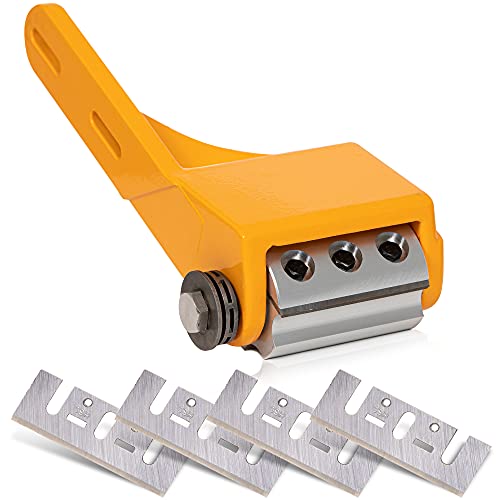
The Log Wizard is a chainsaw-mounted debarker and shaping tool. It can be used to remove bark, plane, notch, and prepare logs for joinery or finishing operations before or after ripping.
- Construction: Powder-coated steel with ball-bearing ends for durability and smooth operation.
- Multiple Functions: Acts as a bark peeler, planer, jointer, notcher, and post sharpener when attached to a compatible chainsaw.
- Maintenance: Blades are replaceable and sharpenable; lightweight design aims to minimize added load on the saw.
- Use Case: Useful for prepping log surfaces prior to milling or for finishing operations after ripping.
Buying Guide: How To Choose The Best Chainsaw Setup For Ripping Logs
Ripping logs into boards requires different equipment and chain profiles than general-purpose cutting. This buying guide covers the main factors to evaluate before you purchase a ripping chain, chainsaw mill, or supporting accessory.
1. Match Chain Specifications To Your Bar And Saw
Always verify pitch, gauge, length, and drive link count from your chainsaw bar stamp or owner’s manual. Incorrect sizing prevents proper fit and can create safety hazards. Ripping chains commonly use 3/8″ pitch with .050″ or .063″ gauges for many mill setups.
2. Ripping Chain Type And Tooth Profile
Semi-Chisel vs Full-Chisel: Semi-chisel and flat-top ripping teeth reduce kickback and give smoother, controlled cuts. Full-chisel yields faster cuts but can be harsher and require more maintenance. Ripping chains have longer teeth and deeper gullets for chip clearing.
3. Gauge Considerations
.050″ Gauge Chains: Often thinner and can provide cleaner finishes; may require bars rated for narrow gauge. .063″ Gauge Chains: Thicker, more robust for heavy-duty milling and higher torque saws.
4. Saw Power And Bar Length
Ripping and milling load the saw. Use a higher-displacement saw (often 50cc and up) for consistent ripping performance, especially with larger bar lengths. Chainsaw mills such as Granberg specify minimum saw sizes—confirm power matches intended cutting depths.
5. Chainsaw Mill Compatibility And Setup
Chainsaw mills clamp to the bar and rely on a straight, rigid bar for accurate slabs. Check the mill’s supported bar lengths, maximum cutting width, and whether it needs a solid steel bar. Proper assembly and secure clamping are essential for straight, safe cuts.
6. Material And Heat Treatment
Look for chains made from heat-treated steels and hardened rivets for wear resistance. Chrome plating can add corrosion protection and smoother cuts but may affect sharpening needs.
7. Safety And Kickback Considerations
Ripping chains may not meet low-kickback standards. Use chain brakes, low-kickback bars where possible, anti-vibration gear, and personal protective equipment (face, hearing, cut-resistant chaps, gloves). Follow recommended milling speeds and feeding rates to reduce binding and kickback risk.
8. Maintenance And Sharpening
Ripping teeth require specific sharpening angles and procedures. Keep replacement parts like rivets and spare cutters accessible. Frequent inspection for tension, damaged teeth, and proper lubrication will extend chain life and improve cut quality.
9. Finish Quality Vs. Production Speed
If the goal is smooth boards for finishing, choose chains and settings that prioritize surface finish (e.g., .050″ gauge, chrome plating, semi-chisel). For high material removal and faster throughput, heavier gauges and more aggressive tooth profiles may be preferred.
10. Accessories That Improve Workflow
Debarkers and log-prep tools (like the Log Wizard) reduce time removing bark and prepping logs for milling. A chainsaw mill provides straight guides for slabs. Consider clamps, straight-edge guides, and a plan for stable log support and leveling.
Use these comparison points to balance durability, cut quality, and safety for your specific ripping or milling project. Verify compatibility with your chainsaw model and bar before purchase, and follow manufacturer instructions for safe operation.