The right bushcraft folding knife blends edge retention, grip comfort, and one‑hand operation for trail, camp, and survival tasks. This guide highlights five top folding options that balance durability, portability, and field versatility for American outdoor enthusiasts. Each product is evaluated on blade steel, handle design, deployment, and overall practicality in bushcraft scenarios.
Summary of chosen products:
| Product | Brand | Blade Type | Key Strengths |
|---|---|---|---|
| CIVIVI Mini Praxis | CIVIVI | D2 steel | Ceramic ball bearing pivot, strong detent, compact EDC |
| Joker Artica NO156 | Joker | Sandvik 14C28N | Nordic-inspired design, diverse handle options |
| AUBEY Damascus Pocket Knife | AUBEY | VG10/Damascus layered blade | One-handed open, stylish pattern, robust liner lock |
| Gerber Scout Pocket Knife | Gerber | 440A with PVD coating | Lightweight, pocket-friendly, reliable everyday carry |
| Bahco 396-LAP & 2446-LAP Set | Bahco | Folding saw blade, fixed blade 2446-LAP | Complete forest/tool kit, versatile in bushcraft tasks |
CIVIVI Mini Praxis Folding Pocket Knife
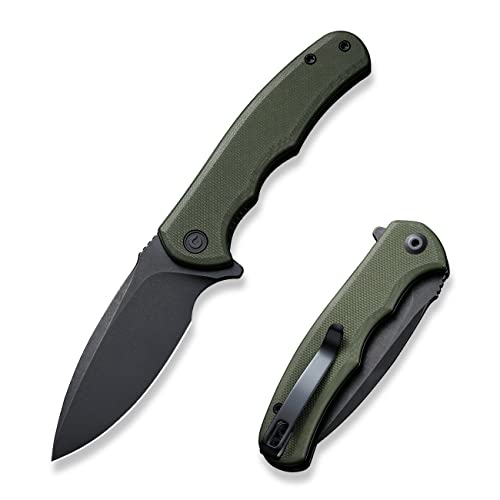
The CIVIVI Mini Praxis is a compact, high-performance folding knife designed for everyday carry in outdoor settings. It features a 2.98″ D2 steel blade that balances edge retention with ease of sharpening, and a G10 handle that provides a secure, moisture-resistant grip. The knife uses ceramic ball-bearing pivots for quick one-handed deployment and a reliable detent to keep the blade securely in the open position. This model is well-suited for bushcraft tasks such as carving, feathering small kindling, and light camp utility work, while remaining unobtrusive in a pack or pocket. Its slim profile helps it disappear in pack organization without sacrificing readiness in the field.
Joker Artica No156 Bushcraft Knife

Joker’s Artica No156 presents a Nordic-influenced approach to bushcraft folding knives. It uses a 3.15″ Sandvik 14C28N blade with a satin finish and a hardness around 58–59 HRC, offering dependable edge retention for camp tasks such as carving, carving, and precise cutting. The knife ships with multiple handle options, including olive wood and other natural materials, enabling users to select a grip that suits their preference and the grinding style (Scandi or Flat). The Artica’s design emphasizes a balanced blend of traditional aesthetics and modern steel technology for outdoor enthusiasts who value both form and function in field environments.
AUBEY Damascus Pocket Knife

The AUBEY Damascus pocket knife showcases a striking 76-layer Damascus blade folding knife with VG10 steel integration for enhanced strength and edge stability. Its one-handed opening is supported by a flipper and a ball-bearing pivot, while the liner lock reduces the risk of accidental closure during use. The knife is compact, with a total length around 6.6 inches and a blade length just under 3 inches, making it a practical option for everyday carry and light bushcraft tasks. The combination of aesthetic Damascus patterns and dependable mechanical design makes it a versatile companion for outdoor exploration and gathering tasks in camp settings.
BeaverCraft Bushcraft Knife Full Tang 9.8″

BeaverCraft offers a full-tang bushcraft knife built for rigorous outdoor use, featuring a 9.8″ overall length and a 5″ fixed blade with 1066 carbon steel rated at 58–60 HRC. The knife design emphasizes stability, balance, and heavy-duty capability for carving, cutting, and camp tasks. Included is a ferro rod for fire-starting and a leather sheath to protect the blade during transport. The fixed blade construction provides maximum control and robustness for demanding bushcraft work, while the fire starter adds essential functionality for survival tasks where fire is required.
Buying Guide: Key Considerations For Bushcraft Folding Knives
- Blade steel and edge retention: Higher carbon contents or specialized steels (e.g., D2, Sandvik 14C28N, VG10) hold an edge longer and perform better under outdoor use. Consider the balance between hardness and ease of sharpening in the field.
- Blade geometry and size: For bushcraft, a blade around 2.5–3.5 inches in a drop or tanto point offers good carving capability and manageable size for packing. A longer blade provides more cutting leverage but adds weight.
- Locking mechanism and deployment: A reliable liner or frame lock with a secure detent is essential for safety. One-hand deployment features, such as flippers or ball-bearing pivots, improve field usability.
- Grip and ergonomics: A non-slip handle (G10, micarta, wood, or textured plastics) reduces fatigue and improves control in wet conditions. Consider the grip thickness and contour for extended use.
- Portability and weight: Folding knives should stay compact with a robust locking system. Pocket clips or belt clips aid quick access in outdoor scenarios without sacrificing carry comfort.
- Maintenance and corrosion resistance: Outdoor knives face moisture, dirt, and temperature shifts. Coatings (PVD, rust-resistant blades) and corrosion-resistant alloys contribute to longevity.
- Additional tools and compatibility: Some options pair folding knives with saws or fixed blades to broaden task capabilities. In bushcraft, a knife that complements a multi-tool or saw can streamline gear lists.
- Legal and safety considerations: Ensure the knife design complies with local laws on blade length and carrying restrictions in outdoor areas and parks.
When selecting a bushcraft folding knife, prioritize models offering dependable edge retention, secure one-handed operation, and a grip suited to prolonged use in variable weather. The five options featured here provide a spectrum of steel types, handle designs, and deployment methods to suit different preferences and field needs.