Compact, affordable, and reliable options make pocket knives essential for EDC, camping, and light tactical tasks. Below is a quick comparison of the selected budget-friendly picks to help you scan key specs at a glance before diving into individual reviews.
| Product | Blade Length | Blade Steel / Type | Handle |
|---|---|---|---|
| Smith & Wesson Extreme Ops SWA24S | 3.1″ | 7Cr17Mov Serrated Clip Point | Aluminum |
| Schrade Delta Class Divergent | 3.06″ | AUS-8 Modified Drop Point | G10 |
| CIVIVI Mini Praxis | 2.98″ | D2 Steel | G10 |
| CJRB Pyrite-Light | 3.34″ | AR-RPM9 Wharncliffe | Ergonomic Handle (Steel Clip) |
| Gerber Paraframe Mini | 2.2″ | Stainless Steel Clip Point | Frame Lock Stainless |
Smith & Wesson Extreme Ops SWA24S Folding Knife
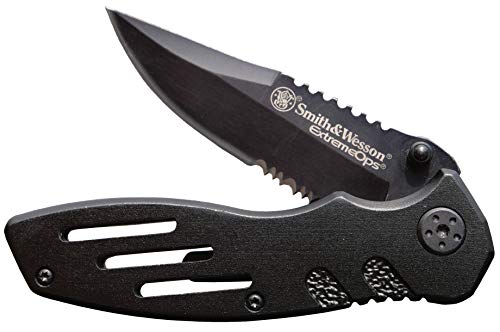
This Smith & Wesson folding knife offers a 3.1-inch serrated clip point blade made from 7Cr17Mov high carbon stainless steel with a black oxide finish. The blade shape and serrations improve cutting through rope and fibrous materials.
Key physical specs include a 7.1-inch overall length and a weight of about 3.5 ounces. The aluminum handle keeps weight low while providing structure for daily tasks. Opening aids include a finger flipper and ambidextrous thumb knobs.
Design elements feature a convenient pocket clip for carry and a quick-access deployment system. The materials and construction are consistent with budget tactical EDC knives that prioritize durability and simple maintenance.
Schrade Delta Class Divergent EDC Knife

The Schrade Delta Class Divergent brings a 3.06-inch AUS-8 steel modified drop point blade combined with a black G10 handle. AUS-8 is common in budget knives for its balance of toughness and ease of sharpening.
With an overall length of about 7.37 inches and a reported weight near 3.4 ounces, this model emphasizes lightweight daily carry and ergonomic handling. The blade profile is versatile for slicing, tasks, and general utility.
Construction highlights include the durable G10 grip material and a streamlined design for pocket carry. This knife suits users looking for a sturdy EDC blade without added bulk.
CIVIVI Mini Praxis Small EDC Knife
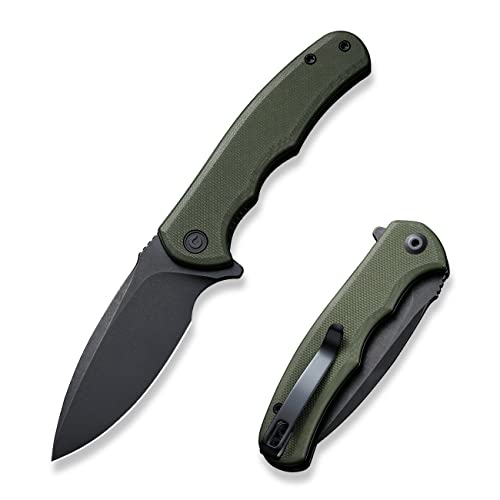
The CIVIVI Mini Praxis features a 2.98-inch D2 steel blade with a black stonewashed finish and a G10 handle. D2 is known for strong edge retention and moderate corrosion resistance for budget-oriented premium blades.
This small folder uses a ceramic ball-bearing pivot for fast one-handed flipper deployment and a strong detent for crisp action. The compact footprint and pocket clip make it broadly legal and practical for EDC.
Materials and build emphasize balance between edge performance and everyday convenience, suitable for users prioritizing a long-lasting cutting edge in a compact package.
CJRB Pyrite-Light Folding Pocket Knife
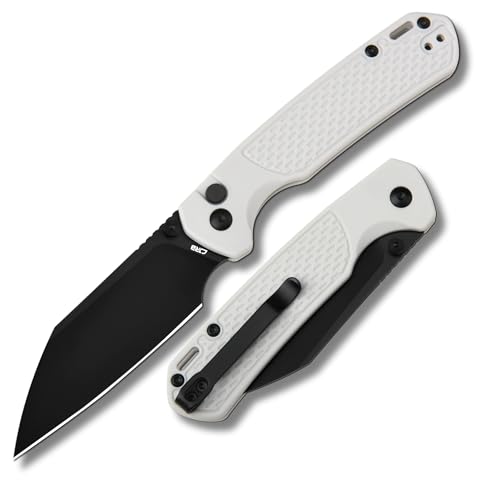
The CJRB Pyrite-Light offers a 3.34-inch AR-RPM9 Wharncliffe blade with an HRC rating around 59–61. The Wharncliffe profile provides a straight edge and controlled tip useful for precise cutting and slicing tasks.
Weighing about 2.82 ounces with a closed length near 4.25 inches, this model is notably portable. The ergonomic handle and steel pocket clip support comfortable carry and quick access during outdoor or everyday activities.
The combination of AR-RPM9 steel and the Wharncliffe shape targets users who want a robust cutting edge and predictable tip geometry for fine work and utility tasks.
Gerber Gear Paraframe Mini Small EDC Knife

The Gerber Paraframe Mini is a minimalist option featuring a 2.2-inch stainless steel clip point blade and an open-frame handle with a frame lock design. Its pared-down construction reduces weight and simplifies maintenance.
Its small size and integrated pocket clip make it easy to carry daily. Frame lock security and a plain edge blade focus on basic utility tasks and reliable everyday performance without unnecessary frills.
This model is often selected as a lightweight, no-nonsense EDC tool for those prioritizing simplicity, corrosion-resistant steel, and easy access in a compact package.
Buying Guide: How To Choose A Budget Pocket Knife
Choosing the right budget pocket knife requires balancing blade steel, blade shape, handle materials, opening mechanism, and legal or practical carry considerations.
Blade Steel And Edge Retention
- High Carbon Stainless (e.g., 7Cr17Mov, AUS-8) — Easier to sharpen and corrosion resistant; common on budget knives.
- Tool/Tool-like Steels (e.g., D2, AR-RPM9) — Offer stronger edge retention, may require more effort to sharpen but last longer between touches.
Blade Length And Shape
- Short blades (around 2–3 inches) are more legal-friendly and good for EDC tasks.
- Clip point and drop point are versatile; Wharncliffe favors precise straight cuts; serrated edges cut fibrous materials better.
Handle Material And Ergonomics
- G10 — Durable, grippy, and weather-resistant; common on many mid-range budget knives.
- Aluminum/Steel frames — Strong but may be heavier or colder to the touch; frame locks often integrate into the handle.
Opening Mechanism And Lock Type
- Flippers and thumb studs allow one-handed opening; ball-bearing pivots give smoother action.
- Lock types: liner lock and frame lock are common; ensure secure locking under load.
Carry Considerations
- Pocket clips determine tip-up/tip-down or left/right carry; check handedness and clip placement.
- Weight and closed length affect comfort for everyday carry—lighter, smaller knives are easier to pocket.
Durability, Maintenance, And Use Case
- Assess intended tasks: precision cutting, rope/cargo cutting, food prep, or emergency use will influence steel and blade shape choice.
- Consider corrosion resistance if exposed to moisture; choose stainless or apply regular maintenance.
Comparison Perspectives
- Performance vs. Price: D2 and AR-RPM9 typically outperform basic stainless in edge life but may cost more.
- Size vs. Legality: Smaller blades are often more legally acceptable for everyday carry in many jurisdictions.
- Ergonomics vs. Weight: G10 handles improve grip without heavy weight, while metal frames offer sturdiness at added heft.