Choosing the right blade for vinyl siding cuts reduces chipping, speeds up installation, and delivers tighter seams. This guide highlights five high-performing blades and snips designed for vinyl siding, aluminum, and related soft materials. Each option focuses on precision, durability, and ease of use, helping American homeowners and pros achieve professional results on every project.
| Product | Brand | Best For | Arbor/Size |
|---|---|---|---|
| HURRICANE 12 Inch Aluminum Tin Snips | HURRICANE | Lightweight, general metal and vinyl siding cuts | Aluminum, 12 inch |
| Malco VCB1 7-1/4 in. Vinyl Siding Blade | Malco | Vinyl siding and fencing cuts with portable saws | 7-1/4 inch |
| IVY Classic Swift Cut 10″ Blade | IVY Classic | Light gauge aluminum and vinyl siding up to 1/8″ thick | 10 inch |
| IRWIN MARATHON Vinyl Siding Circular Saw Blade | IRWIN | Carbide teeth for longer life and quieter cuts | 7-1/4 inch |
| FOXBC 10″ 200-Tooth Blade (3 Pack) | FOXBC | Fast, smooth cuts in vinyl siding, plywood, OSB | 10 inch |
Choosing the right blade often comes down to material thickness, tool compatibility, and cut quality. The selections below emphasize clean edges, reduced vibration, and durable construction to handle vinyl siding projects in home renovations and professional applications.
HURRICANE 12 Inch Aluminum Tin Snips
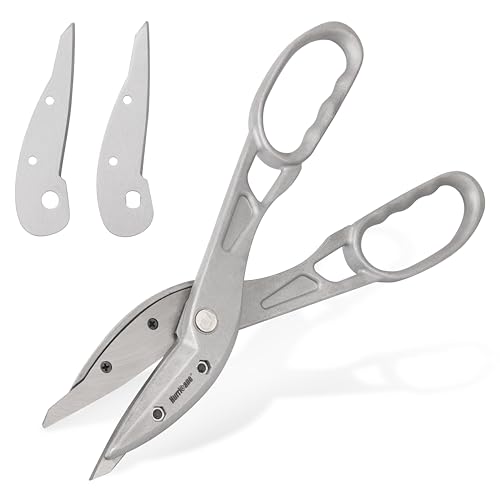
These snips are designed for straightforward cuts through vinyl siding and lightweight metals. Made from sturdy aluminum, they are substantially lighter than steel alternatives, reducing hand fatigue on longer jobs. The blades skim through tin, aluminum, copper, vinyl siding, and heavy cardboard, making them suitable for DIY projects and professional repair work alike. Large, glove-friendly handles offer leverage and comfort, enabling accurate cuts with minimal effort.
Malco VCB1 Vinyl Siding Cutting Blade

The Malco VCB1 is tailored for vinyl siding and fencing with circular saw compatibility. It delivers smooth cuts across vinyl plastics, helping installers achieve straight lines and minimal edge fraying. The blade is made in the USA, reflecting a focus on durability and reliable performance in professional settings where consistent results matter for long-term installations.
IVY Classic Swift Cut 10″ Blade

This 10″ blade is designed to cut light-gauge aluminum, plastic, and vinyl siding up to 1/8″ thick. It features a high-carbon alloy-steel blade with precision-ground teeth and a directional rotation cue to ensure accurate cuts. A cautionary note reminds users to rotate the blade in the direction of the arrows for optimal performance and longevity, making it a reliable choice for controlled siding work.
IRWIN MARATHON Vinyl Siding Blade

IRWIN’s MARATHON blade uses construction-grade carbide teeth to maximize life and reduce the need for frequent replacements on tough jobs. The design includes alternate-thin teeth to speed up cuts while lowering resistance and heat generation. An innovative heat vent and expansion slot design minimizes vibration, which helps achieve straighter, cleaner cuts in vinyl siding with less blade wobble during operation.
FOXBC 10 Inch 200-Tooth Blade (3 Pack)

This 3-pack offers 200 teeth per blade and a 5/8″ arbor with a 0.1″ kerf for fast, smooth cuts through vinyl siding, plywood, OSB, and other paneling. The blades are designed to minimize splintering and produce clean cross cuts and miters. The combination of teeth density and kerf helps reduce the need for follow-up touch-ups on installed siding, making them a solid all-around value for contractors and DIYers.
Buying Guide
Material compatibility: Confirm blade compatibility with your saw model and the siding material you’re cutting. For vinyl siding, blades with finer teeth and consistent carbide edges tend to reduce tearing and chipping.
Tooth configuration: A higher tooth count generally yields smoother cuts on soft plastics and vinyl; lower counts are better for faster rough cuts on thicker, tougher materials.
Arbor and kerf: Ensure the blade arbor matches your saw and that the kerf is appropriate for the material. A thinner kerf minimizes material waste and effort on long runs.
Durability and heat management: Carbide teeth and reinforced patterns reduce wear and heat buildup, especially during extended cuts. Blades with venting or expansion slots help minimize heat and vibration.
Ease of use: Lightweight snips or blades with comfortable handle designs reduce fatigue, particularly on DIY projects that require multiple cuts. Gloves-friendly grips and balanced weight contribute to precise control.
Installation context: For siding removal or quick trims, consider specialized vinyl-siding snips or removal tools that integrate easily with the same projects without compromising edge quality.
Edge quality versus speed: If you prioritize a pristine edge for visible seams, lean toward blades marketed for smooth cuts and reduced edge burrs. If you need speed for large runs, a high-tooth blade with efficient chip evacuation can be a better choice.
Overall, the options above balance edge quality, durability, and ease of use for vinyl siding tasks. The right blade depends on your saw type, the thickness of the material, and whether you value precision or speed for each cut. Always follow manufacturer safety guidelines and wear protective equipment during installation or renovation projects.