Looking For The Right Blade For Metal Roofing? This guide compares top blades and cutting tools suited for metal roofing, metal siding, and related sheet-metal tasks. Below is a quick comparison of the selected products to help you choose based on material, arbor size, and cutting technology.
| Product | Best For | Arbor / Size |
|---|---|---|
| Norske NCSBP210 6-1/2″ 48T | Steel Roofing, Metal Siding | 6-1/2″ |
| Benchmark Abrasives TCT 6-1/2″ 48T | Miter Saw Cuts Through Ferrous Metals | 6-1/2″ |
| TWIN-TOWN 12″ 60T Cermet | Larger Cuts On Thick Steel Profiles | 12″ 1″ Arbor |
| Freud 7-1/4″ Carbide-Tipped | Mild Steel Roofing & Precise Cuts | 7-1/4″ |
| SHDIATOOL 4-1/2″ Diamond Cut-Off | Hand Grinder Fast Cuts, Angle Iron, Rebar | 4-1/2″ 7/8″ Arbor |
Norske Tools NCSBP210 6-1/2 Inch 48T Metal Cutting Saw Blade

This 6-1/2″ blade is specified for high-performance cutting of steel roofing, metal siding, steel pipe, and studs. The 48-tooth configuration and 0° hook angle aim to reduce overfeeding, jamming, tooth breakage, and kickback. The blade’s size fits many small miter saws and portable saws used on job sites.
- Teeth/Design: 48 teeth for smoother cuts in sheet and light structural steel.
- Hook Angle: 0° to reduce aggressive feed and improve control on thin metal roofing panels.
- Use Case: Ideal for contractors trimming metal panels and cutting steel studs or siding on-site.
Benchmark Abrasives TCT 6-1/2 Inch Circular Saw Blade

The Benchmark TCT blade uses tungsten carbide tips for extended life and burr-free cuts. It’s marketed as versatile for cast iron, steel, stainless, and other ferrous metals, making it suitable when roofing projects require cutting mixed metal components or thicker trim pieces.
- Material Compatibility: Cast iron, stainless, titanium, and steel—broad metal compatibility for various roofing tasks.
- Durability: Tungsten carbide tips increase wear resistance for longer continuous work.
- Application: Best where a miter saw or circular saw needs a robust metal-cutting blade for repetitive cuts.
TWIN-TOWN 12-Inch 60 Teeth Steel And Ferrous Metal Cermet Blade

This 12″ cermet blade combines ceramic and metal in its tips for cooler cutting and longer life. The 60-tooth count and stabilizer vents reduce noise and vibration, which helps maintain accuracy when cutting steel profiles used in roofing support work.
- Cermet Tips: Blend of ceramic and metal for heat resistance and extended edge life.
- Stabilizer Vents: Laser-cut vents reduce warp and vibration for consistent cuts on thicker stock.
- Use Case: Suitable for larger saws and cutting heavier sections like channel, pipe, or thick trim used with metal roofing systems.
Freud 7-1/4 x 70 Tooth Carbide-Tipped Saw Blade For Metal

The Freud blade uses TiCo Hi-Density carbide and triple chip geometry to reduce sparks and produce precise cuts in mild steel. Its optimized design minimizes wandering and deflection, which is beneficial when precise edge trimming of metal roofing panels or flashing is required.
- Cutting Action: Triple chip geometry for cleaner cuts and reduced heat buildup.
- Precision: Optimized for minimal deflection—useful when accuracy is critical for flashings or trim pieces.
- Application: Works well in circular saws and miter saws where controlled, fine cuts in mild steel are needed.
SHDIATOOL 4-1/2 Inch Metal Cutting Diamond Blade
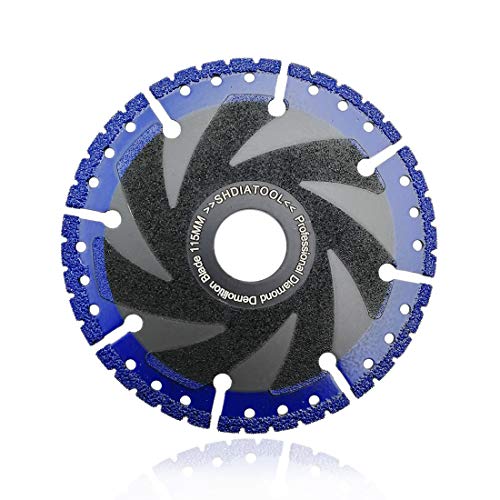
This 4-1/2″ vacuum-brazed diamond blade is built for handheld grinders and trim saws. Vacuum brazing bonds diamond grains permanently to the steel core, improving heat resistance and cutting speed. The dual-sided abrasive surface supports smooth cutting on metal roofing components and hardened materials like rebar or angle iron.
- Bonding Tech: Vacuum brazed diamonds for long life and consistent material removal.
- Form Factor: Small 4-1/2″ diameter fits most angle grinders with 7/8″ arbors for on-the-spot trim or notches.
- Use Case: Best for handheld tasks—fast cuts, notching, and working around trim and penetrations on metal roofs.
Buying Guide: Choosing The Right Blade For Metal Roofing
When selecting a blade, match blade features to the metal roofing material, cutting tool, and job type. Consider the following factors:
- Material Compatibility: Identify whether you’re cutting thin-gauge galvanized panels, aluminum, stainless, or thicker steel. Carbide and TCT blades handle mild steel; diamond blades handle harder, abrasive coatings and mixed materials.
- Blade Size & Arbor: Ensure the blade diameter and arbor fit your saw. Compact miter saws typically use 6-1/2″, portable circular saws 7-1/4″, while chop saws and miter saws may use larger 10–12″ blades.
- Tooth Geometry & Count: Higher tooth counts give smoother cuts on thin metal; lower counts remove material faster on thicker sections. Triple chip and TCG designs reduce burrs and heat on ferrous metals.
- Tip Material: Tungsten carbide tips (TCT) and TiCo carbides offer durability and cleaner cuts. Cermet tips add heat resistance for heavy-duty work. Diamond blades excel on abrasive coatings and composites.
- Hook Angle & Kerf: Lower or 0° hook angles reduce aggressive feed and kickback when cutting thin roofing panels. Thin-kerf blades reduce material waste and require less power.
- Cooling & Stabilization: Laser-cut expansion slots and stabilizer vents help control heat, reduce warping, and minimize vibration for accurate cuts.
- Tool Type & Speed: Verify RPM rating compatibility with your saw. High-speed portable saws and angle grinders need appropriately rated discs.
- Portability & Field Use: For on-roof trimming, small carbide or diamond cutoff wheels on an angle grinder provide quick, localized cuts. For repeated straight cuts, circular or miter saw blades mounted on saws offer consistency and faster throughput.
- Safety & Sparks: Cutting ferrous metals produces sparks. Use appropriate PPE, fire prevention measures, and consider blade geometry that reduces sparking if required by local jobsite rules.
Comparison perspectives:
- Speed vs. Finish: Use lower-tooth blades or diamond wheels to cut faster; choose higher-tooth carbide blades for cleaner edge finish and minimal deburring.
- Durability vs. Cost: TCT, TiCo, and cermet blades last longer on heavy jobs but often cost more. Diamond vacuum-brazed wheels offer long life on abrasive or coated materials.
- Tool Match: Choose blade diameter and arbor that match your saw for safe operation and best performance. For field adjustments or notches, handheld grinders with 4-1/2″ blades provide flexibility.