Choosing a benchtop belt sander involves balancing power, versatility, and stability. This guide highlights five top models that shine in wood and light metal work, offering features like dual belts, tilting tables, and direct-drive efficiencies. Each option balances performance with user-friendly design, making it easier to achieve smooth edges, flat surfaces, and precise bevels on a range of projects. Read on to compare capabilities and find the best fit for your workshop.
Summary of selected products
| Product | Brand | Key Features |
|---|---|---|
| WEN Benchtop Belt and Disc Sander with 4 x 36 in. Belt, 6 in. Disc | WEN | Two-in-one sanding, belt tilts 0-90°, cast iron base |
| BUCKTOOL 5.0A Belt Disc Sander, 4×36 in Belt, 6 in Disc | Bucktool | Direct-drive motor, 0-90° belt tilt, quick belt replacement |
| BUCKTOOL Direct Drive 4×36 in Belt, 8 in Disc Sander | Bucktool | 3/4HP motor, 0-45° table tilt, robuste disc |
| WEN Benchtop Belt and Disc Sander with 1 x 30 in. Belt, 5 in. Disc | WEN | Two-in-one, compact, sturdy base |
| SKIL 4.5 Amp Belt and Disc Combination Benchtop Sander | Skil | Two-in-one, miter gauge, belt angle 0-90° |
WEN Benchtop Belt and Disc Sander 6502T

The WEN 6502T combines a 4-by-36 inch belt with a 6-by-6 inch disc and a sturdy cast iron base to minimize vibrations during operation. The belt tilts from 0 to 90 degrees, enabling both horizontal and vertical sanding, bevels, and contour work. Its two-in-one design helps consolidate workspace while delivering consistent performance for woodworking tasks, including edge smoothing, flush trimming, and material refinement. The durable base supports heavy workloads, contributing to cleaner finishes on a variety of projects.
BUCKTOOL BD4603 5.0A Belt Disc Sander
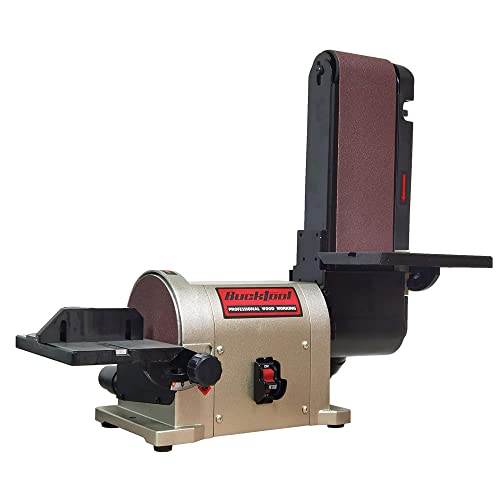
The BD4603 upgrades workflow with a maintenance-free direct-drive motor that drives both belt and disc with minimal belt tension concerns. This model claims up to 25% greater efficiency over traditional designs, thanks to its integrated 3/4 HP, fully enclosed induction motor. Its belt tilts 0 to 90 degrees for horizontal and vertical sanding while its driven drum allows curved-work sanding. Quick belt replacement and a track control function simplify setup and material changes, making it a practical option for diversified wood projects and small metal tasks.
BUCKTOOL Direct Drive 4×36 in Belt, 8 in Disc Sander

This Bucktool model emphasizes a robust 3/4 HP direct-drive motor for consistent performance. The belt is designed for horizontal or vertical placement, with an adjustable 0-45 degree cast aluminum work table to accommodate bevel sanding. The 8-inch disc benefits from a heavy steel cover to reduce vibration, plus a miter gauge for angle accuracy. The integrated dust port helps maintain a cleaner workspace and longer sanding life for both belts and discs in woodworking operations.
WEN 6515T Benchtop Belt and Disc Sander
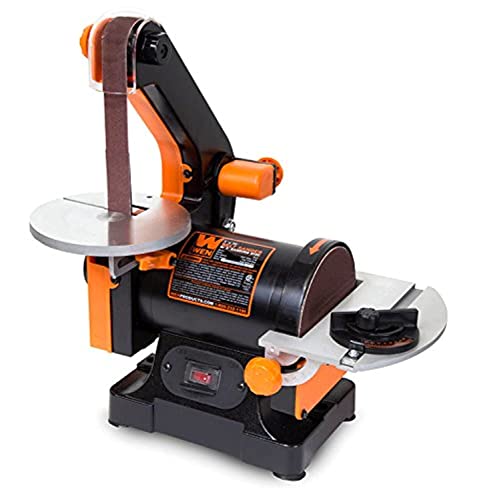
The 6515T model offers a 1-by-30 inch belt paired with a 5-inch sanding disc, optimized for compact spaces. A 2.3A motor delivers up to 3160 FPM on the belt and 3450 RPM on the disc, making it suitable for light- to mid-duty woodwork. A heavy-duty base reduces wandering and wobble, improving control for precise shaping, flush sanding, and edge finishing. The two-in-one design suits hobbyist shops that need versatility without sacrificing stability.
SKIL 4.5 Amp Belt and Disc Combination Benchtop Sander
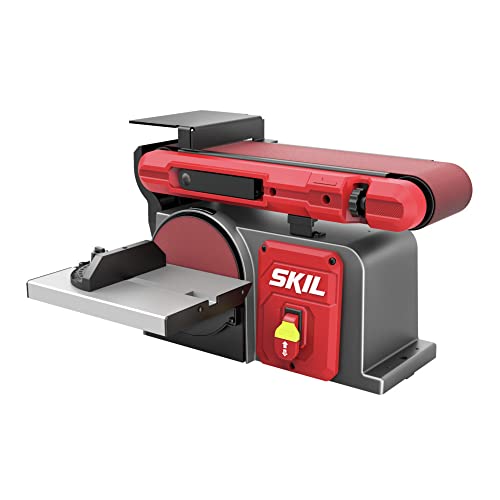
Skil’s BB9504-00 focuses on two-in-one versatility with a practical miter gauge to guide crosscuts. The belt angle adjustment ranges from 0 to 90 degrees, enabling bevel sanding and edge work, while the combination design helps users switch between belt and disc tasks without relocating pieces. Its balance of power, control, and compact footprint makes it a sensible option for smaller shops or early-stage woodworking projects where predictable results are essential.
Buying Guide: Key Purchase Considerations
- Power and drive system: Direct-drive motors reduce maintenance and belt tension issues, while cog- or belt-driven systems can deliver different torque. Choose according to the material you plan to sand and the noise level you can tolerate.
- Two-in-one versatility: Many benchtop models pair a belt and disc, offering flexibility for flattening, beveling, and shaping. Consider whether you need vertical or horizontal sanding, and if you require tilting work tables (0–45° or 0–90°).
- Table and workpiece support: Tilt-adjustable aluminum or cast iron tables improve accuracy for bevels and angled sanding. A stable base minimizes vibrations and improves control for small parts and long stock.
- Adjustability and ease of belt changes: Quick belt replacement and adjustable tension systems save time. A quality miter gauge for the disc area helps with consistent angles on repetitive tasks.
- Dust management: A built-in dust port and good dust collection reduce debris buildup and improve finish quality. This is especially important for metal-friendly models or dense woods.
- Build quality and materials: Cast iron bases and solid aluminum components generally offer greater stability, longer life, and less vibration than lightweight plastics.
- Maintenance and replacement parts: Verify belt availability, disc sizes, and replacement parts. A model with widely available belts and discs helps sustain long-term use.
- Intended use: If you primarily sand wood, focus on belt speeds and belt width (4×36 in is common). For occasional metal work, look for a direct-drive motor with robust dust management.
These considerations help compare models across brands like WEN, Bucktool, and Skil, ensuring you select a benchtop sander aligned with your project types, space, and noise tolerance. The recommended options emphasize stability, ease of use, and consistent results across a range of woodworking tasks, from edge finishing to bevel sanding.