Short Intro: Choosing a beginner pocket knife means balancing safety, ease of use, durability, and learning value. Below is a concise comparison of five well-suited beginner options from the given selection, followed by individual product sections and a practical buying guide.
| Product | Best For | Notable Feature |
|---|---|---|
| JJ’s Knife Kit Lock Back Wooden Kit | Hands-on Knife Making | Original wooden lock-back kit, beginner woodworking |
| JIN Rhino Jr. Kids Pocket Knife | Kids Learning & Fidget | Unsharpened blade, rounded tip, DIY assembly |
| ZLemma Pocket Knife Set | Stylish Beginner Carry | Rounded tip, sheath and clip, gift set |
| Gerber Paraframe Mini | Durable Everyday Carry | Stainless steel frame lock, 2.2″ blade |
| CIVIVI Mini Praxis | Performance-Focused Beginner | D2 steel, ceramic bearings, G10 handle |
JJ’s Knife Kit Lock Back Wooden Pocket Knife Making Kit

This lock-back wooden knife kit is designed as an introductory woodworking project and safety lesson. The kit emphasizes learning how a lock-back mechanism functions while giving beginners hands-on experience with shaping and assembling a wooden knife. It is produced by a brand that markets itself as the original wooden knife kit, manufactured in the U.S.
Key features: lock-back design for safety demonstration, wooden construction for tool practice, recommended for teaching knife safety and basic woodworking. Good for classrooms, youth groups, or adults who want a low-risk way to learn knife anatomy and hobby crafting.
JIN Rhino Jr. Kids Pocket Knife DIY Kit

Designed specifically for children and entry-level users, this kit features an unsharpened 1.97″ steel blade with a rounded tip, minimizing cutting risk while allowing basic handling practice. The DIY assembly aspect supports fine motor skill development and an understanding of folding knife mechanics.
Key features: safety-focused unsharpened blade and rounded tip, multiple opening options (button, flipper, thumb stud), ceramic ball bearing pivot for snappy action. Suitable for supervised use, as a fidget-style EDC simulator, or as a stepping stone before moving to fully sharpened knives.
ZLemma Pocket Knife Set With Sheath & Lanyard

This compact folding knife set emphasizes safe tip geometry and a complete accessory kit. The rounded blade tip improves user safety for beginners, while the included sheath, lanyard, and pocket clip make carry options flexible. The set aims to combine aesthetics with a secure locking mechanism.
Key features: rounded tip for safer point use, frame lock for blade stability, compact folded length for pocket carry, and a gift-ready presentation. Consider this if you want a beginner-friendly carry knife with a focus on style and portability.
Gerber Gear Paraframe Mini Pocket Knife

The Gerber Paraframe Mini is a small, straightforward EDC knife noted for its stainless steel construction and open-frame design. With a 2.2″ plain-edge blade and frame lock, it presents an uncomplicated platform for a beginner to learn everyday cutting tasks and maintenance.
Key features: 2.2″ stainless steel clip-point blade, frame lock handle, pocket clip for carry, nail nick for manual opening. The minimalistic design makes cleaning and inspection easier—helpful when learning care, sharpening basics, and safe handling procedures.
CIVIVI Mini Praxis Folding Pocket Knife
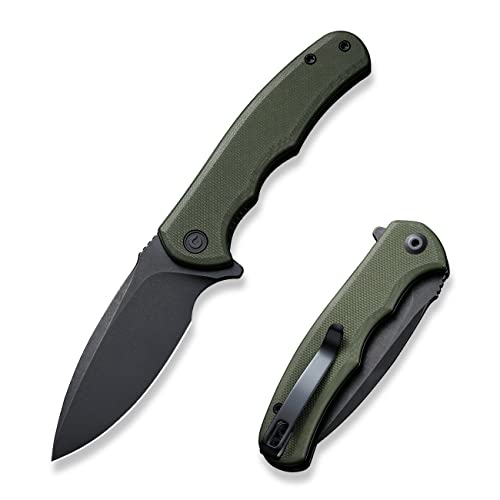
The CIVIVI Mini Praxis is positioned as a performance-oriented small EDC with materials that matter for a beginner who expects longer-term use. It features D2 tool steel, a G10 handle, and ceramic bearings for smooth deployment and solid edge retention.
Key features: black stonewashed D2 steel blade with good edge retention, G10 handle for a comfortable grip, ceramic ball-bearing pivot for fast flipper action, and a pocket clip. This option suits beginners ready to learn maintenance and basic sharpening while benefiting from higher-end components.
Buying Guide: How To Choose The Best Beginner Pocket Knife
Deciding on a first knife depends on the user’s age, intended tasks, and local laws. Below are the key considerations to weigh before purchase.
Safety Features
- Rounded Tip Or Unsharpened Blade: Great for supervised kids’ use or practice kits. Limits puncture risk while permitting handling skills practice.
- Locking Mechanism: Lock-back, frame lock, or liner lock prevent accidental blade closure. Teach users to verify the lock engages before use.
- Guard Or Handle Design: A pronounced finger guard or ergonomic handle reduces slips toward the blade during cutting.
Materials And Durability
- Blade Steel: Stainless steels (e.g., 420J2) resist corrosion and are easier to maintain; higher-hardness steels (e.g., D2) hold an edge longer but may need more careful sharpening.
- Handle Materials: Wood and G10 offer different feels—wood is warm and traditional for kits; G10 is durable and moisture resistant for outdoor carry.
Size, Carry, And Legal Considerations
- Blade Length: Short blades are easier to carry and legal in more jurisdictions. Verify local regulations before buying.
- Carry Options: Pocket clip, sheath, or lanyard affect accessibility. Choose based on how the knife will be transported.
Ease Of Use And Maintenance
- Opening Mechanism: Nail nick, thumb stud, flipper, or button have different learning curves. Simpler manual openings can be best for absolute beginners.
- Sharpening And Care: Consider a blade steel that matches your willingness to learn sharpening. Kits and unsharpened blades require different maintenance skills.
Learning Path And Purpose
- Teaching Tool Kits: Wooden kits or DIY folding kits are useful for teaching mechanics and safety without a fully sharp edge.
- Everyday Tasks: If you need a functional tool for camping, chores, or EDC, choose a practical blade steel and reliable locking system.
- Progression: Beginners often start with safer, simpler models and graduate to higher-performance blades (better steel, bearings, and locks) as skills grow.
Comparison Perspectives
- Safety-First Perspective: Choose rounded-tip or unsharpened blade kits (JIN Rhino Jr., JJ’s wooden kits, BeaverCraft-style whittling knives) for supervised youth or practice.
- EDC Starter Perspective: For daily utility, compact stainless steel designs with a reliable lock and clip (Gerber Paraframe Mini, ZLemma) balance function and simplicity.
- Performance Starter Perspective: If you plan to learn tuning and sharpening, choose harder steels and quality pivots (CIVIVI Mini Praxis) to gain experience with higher-end components.
Use these criteria to match the right beginner pocket knife to the user’s age, purpose, and interest in learning maintenance. Each option above highlights a different path into safe, responsible knife ownership and practical skill building.