Choosing The Right Axe for splitting firewood depends on log size, user strength, and frequency of use. Below is a compact comparison table of the selected tools to help you scan key features quickly.
| Product | Type | Key Feature |
|---|---|---|
| Fiskars X25 Splitting Axe | Splitting Axe | Convex forged blade, shock-absorbing handle |
| Estwing Fireside Friend Axe | Short Splitting Maul | Patented shock reduction grip, forged steel |
| INTERTOOL 36-Inch Wood Splitting Maul (HT-0275) | Heavy Maul | 5 lb convex head, fiberglass shock-absorbing handle |
| Edward Tools Wood Splitting Maul 17” | Compact Maul | 3 lb combined axe-sledge head, forged steel |
| SPEED FORCE Kindling Log Splitter | Mounted Wedge | Cast iron wedge, hands-free mounted safety |
Fiskars X25 Splitting Axe, 28″ Wood Splitting Axe

The Fiskars X25 Is Marketed As A Multi-Use Splitting Axe Designed For Medium To Large Logs. It Uses An Advanced Convex Bevel Blade Geometry That Helps Deliver Power And Keeps The Head From Pinching During Splits. The Long 28″ Shaft Delivers Leverage While Its Shock-Absorbing Handle And Balanced Power-To-Weight Ratio Increase Swing Speed For Efficient One-Strike Splits. The Axe Also Includes A Protective Sheath For Safe Storage.
ESTWING Fireside Friend Axe – 14″ Wood Splitting Maul

The Estwing Fireside Friend Is A Compact 14″ Splitting Maul With A Forged Steel Construction And A Patented Shock Reduction Grip. The Molded Grip Reduces Impact Vibration Significantly, Improving Comfort For Repetitive Use. Its Shorter Length Makes It Suited For Users Who Need Portability Or Work In Tight Spaces, While The Solid Forged Head Promotes Durability And Edge Retention.
INTERTOOL 36-Inch Wood Splitting Maul | HT-0275
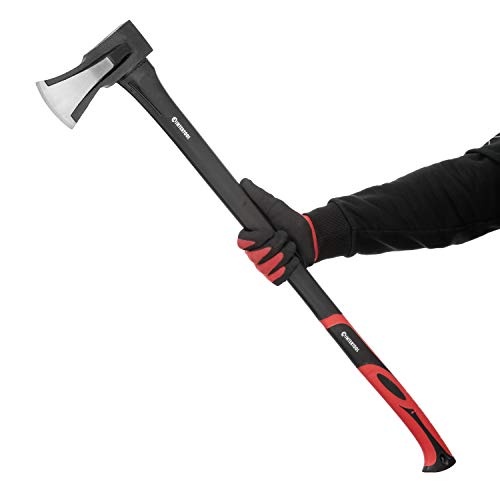
This INTERTOOL Maul Is Built For Heavy-Duty Splitting. The 5-Pound Convex Grind Head Is Designed To Deliver Maximum Splitting Power In A Single Strike, While The Flat Poll Allows Wedge Driving. The Heat-Treated Carbon Steel Blade Arrives Pre-Sharpened And Includes An Anti-Corrosive Coating. The Fiberglass Handle With A Textured Rubber Grip Provides Shock Absorption And Non-Slip Handling For Longer Sessions.
Edward Tools Wood Splitting Maul 17” – 3 lb
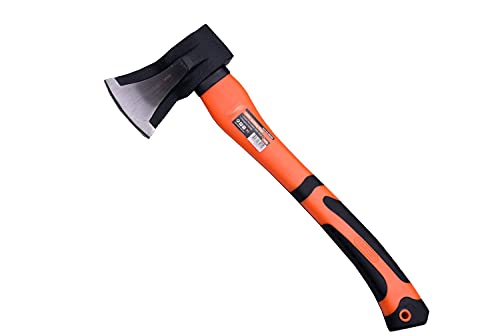
The Edward Tools 17″ Maul Combines An Axe And Sledge Design, Featuring A 3 lb Forged Steel Head Geared Toward Kindling And Small-To-Medium Logs. Its Compact Size Makes It Easier To Maneuver For Users Who Prefer A Shorter Tool But Still Want A Heavier Head For Faster Splits. A Rubber Sheath Is Included For Blade Protection And Safer Storage.
SPEED FORCE Firewood Kindling Log Wood Splitter – No Axe!

The SPEED FORCE Kindling Splitter Is A Mounted Wedge That Splits Logs Without A Swinging Axe. Made From Nodular Cast Iron With A Powder Coat, It Features Alternating Slanted Fins That Prevent Jams And Create Predictable Splits. The Device Mounts To A Stump Or Platform Using The Supplied Screws, Offering A Safer, Hands-Off Method For Making Kindling And Smaller Firewood Pieces.
Buying Guide: How To Choose The Best Axe For Firewood
Choosing The Right Tool Requires Matching Axe Design To Your Typical Tasks, Physical Ability, And Storage Needs. The Points Below Outline Key Purchase Considerations.
1. Axe Type And Intended Use
- Splitting Axe: Wedge-shaped head designed to separate wood fibers. Best For Medium-To-Large Rounds.
- Maul: Heavier head, often convex grind, for driving through large, knotty logs and preventing pinching.
- Short Maul/Compact Axe: Easier to control, portable, suitable for smaller logs and campsite use.
- Mounted Wedge: Non-swinging option for safer kindling production and repetitive splitting without swinging force.
2. Head Weight And Shape
- Heavier heads (4–6+ lbs) generate more splitting momentum for large rounds but require more effort to control.
- Convex grinds and wedge shapes reduce pinching and ease extraction from wood, improving one-strike splits.
- Flat poll faces are useful when you need to drive wedges or stakes.
3. Handle Length And Material
- Long Handles (28–36″): Provide leverage and power for large-diameter logs.
- Short Handles (14–18″): Offer portability and better control for close-quarters or trail use.
- Materials: Fiberglass offers shock absorption and weather resistance; hickory provides traditional feel and vibration damping but needs maintenance.
4. Vibration And Grip Comfort
- Look For Shock-Absorbing Grips Or Molded Handles To Reduce Impact Vibration And User Fatigue.
- Textured Or Molded Non-Slip Grips Improve Safety When Working In Wet Conditions.
5. Durability And Head Steel
- Heat-Treated Carbon Steel And High-Carbon Forged Heads Offer Edge Retention And Long-Term Toughness.
- Anti-Corrosive Coatings Or Finishes Help Prevent Rust When Tools Are Stored Outdoors Or In Damp Environments.
6. Maintenance, Safety, And Storage
- Regularly Inspect For Loose Heads, Splits In Wooden Handles, And Dull Edges.
- Use A Blade Sheath Or Cover For Safe Transport And Storage.
- Sharpening Practices Depend On Head Steel; Many Heads Are Pre-Sharpened But Will Need Touch-Ups Over Time.
7. Matching Tool To User And Job
- Frequent, Heavy Splitting: Heavier maul with shock-absorbent handle for reduced fatigue.
- Occasional Backyard Use: Mid-weight splitting axe with a balance of length and control.
- Campers Or Small Jobs: Shorter forged axe or compact maul for portability.
- Safer Kindling Production: Consider A Mounted Wedge To Eliminate Swing Risks.
8. Comparative Perspectives
- Power Vs. Control: Longer, heavier tools increase splitting power; shorter tools favor control and portability.
- Traditional Vs. Low-Maintenance Handles: Hickory offers natural feedback; fiberglass requires less upkeep and resists moisture.
- One-Strike Efficiency Vs. Repeatable Comfort: Convex blades and heavier heads increase single-strike success, while shock-absorbing grips reduce cumulative strain.
Use The Table And Buying Guide Above To Narrow Choices Based On Log Size, Frequency Of Splitting, And Personal Comfort Requirements. Each Product Reviewed Emphasizes Different Trade-Offs—Power, Portability, Shock Reduction, Or Hands-Off Safety—So Pick The Option That Best Matches Your Typical Firewood Tasks.