Choosing the right aluminum cutting blade can significantly impact cut quality, durability, and overall project efficiency. The blades below are among the top options on the market, designed to handle aluminum and other non-ferrous metals with precision. This guide highlights five high-performing blades, detailing their features and ideal uses to help you decide which blade best fits your needs.
| Product | Brand | Type | Key Benefit |
|---|---|---|---|
| TOMAX 10-Inch 80 Tooth TCG | TOMAX | TCG carbide teeth, 5/8″ arbor | Excellent balance of longevity and clean cuts on aluminum |
| TOMAX 12-Inch 100 Tooth TCG | TOMAX | TCG carbide teeth, 1″ arbor | High tooth count for smoother finishes on larger workpieces |
| FOXBC 12 Inch 120-Tooth TCG | FOXBC | TCG carbide teeth, 1″ arbor | Optimized for thin-to-thick aluminum extrusions with minimal clogging |
| Diablo D1296N 12″ Aluminum Blade | Diablo | TCG, 1″ arbor | Triple Chip Grind for burr-free, clean cuts on aluminum and more |
| FOXBC 10-Inch 100-Tooth | FOXBC | TCG, 5/8″ arbor | High-density carbide for wear resistance and long life |
Below is a closer look at five select blades, with practical insights on when to use each for aluminum and non-ferrous metal cutting. All sections follow a consistent format to help you compare features quickly.
TOMAX 10-Inch 80 Tooth TCG Aluminum Blade

The TOMAX 10-Inch 80-Tooth TCG blade uses construction-grade carbide teeth designed for maximum resistance and longer life. Its electrophoretic coating helps reduce rust and corrosion, making it suitable for frequent use on aluminum and non-ferrous metals. The 5/8-inch arbor is common for many portable saws, helping ensure compatibility with a wide range of equipment. This blade emphasizes clean cuts with less burr, a key feature for both fabrication and aluminum framing projects.
TOMAX 12-Inch 100 Tooth TCG Blade
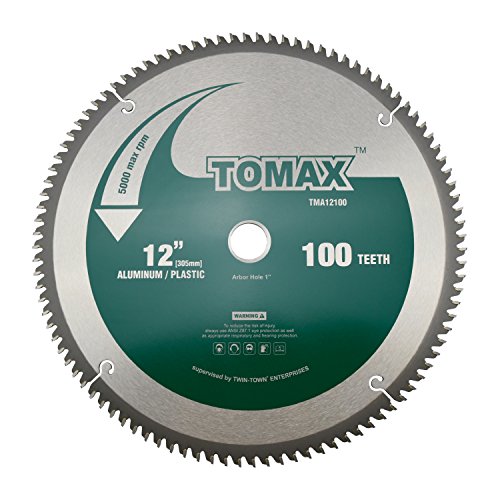
Designed for larger aluminum workpieces, the TOMAX 12-Inch 100-Tooth blade offers a high tooth count for a smoother, finer finish. The 1-inch arbor supports a higher torque connection, which can be beneficial for heavy-duty cutting. Its carbide teeth deliver long life and consistent performance, while the electrophoretic coating resists corrosion, helping maintain blade integrity through multiple uses on non-ferrous metals.
FOXBC 12 Inch 120-Tooth TCG Blade

This FOXBC blade is built for versatility, with a 12-inch diameter and 120-tooth TCG configuration ideal for precise aluminum cuts. The 1-inch arbor matches many miter and sliding saws used in metalworking. Its design emphasizes reduced heat buildup and cleaner edges, making it suitable for delicate extrusions or plated aluminum where surface quality matters as much as cut accuracy.
Diablo D1296N 12″ Aluminum Blade

Diablo’s D1296N 12″ blade uses a triple chip grind to deliver burr-free finishes on aluminum, copper, plastics, and mild metals. Its Perma-SHIELD non-stick coating reduces heat and gumming, helping extend blade life and maintain cutting performance. The 1″ arbor and robust carbide construction are designed for steady, precise cuts in challenging aluminum fabrication tasks.
FOXBC 10-Inch 100-Tooth Blade
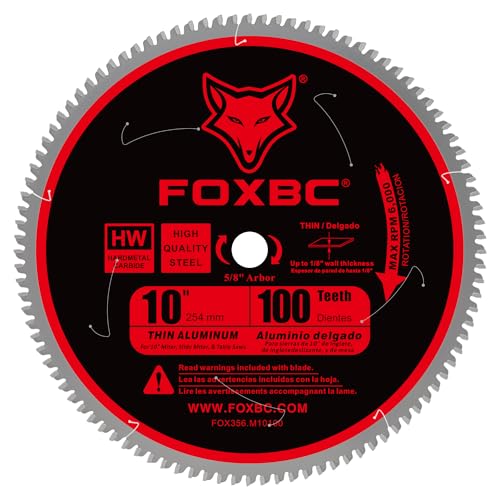
FOXBC’s 10-inch, 100-tooth blade is optimized for aluminum and non-ferrous metal cutting with a 5/8″ arbor. The high-density carbide is designed for wear resistance and longer life, while a thin kerf helps minimize material waste. This blade suits detailed work on aluminum profiles, thin extrusions, and sheet metal where edge quality is crucial.
Buying Guide: Key Purchase Considerations
Blade selection for aluminum cutting depends on several factors. Here are the main considerations to help you choose:
- Tooth count and grind type: Higher tooth counts (80–120T) with a TC G or auxiliary grind produce smoother cuts and less burr on thinner aluminum parts. Lower tooth counts are faster for roughing but may require deburring later.
- Arbor size: Ensure the blade’s arbor matches your saw (5/8″ or 1″). Some saws require adapters; otherwise, dead-on compatibility prevents runout and heat buildup.
- Coatings and corrosion resistance: Electrophoretic coatings and non-stick finishes reduce rust and gum buildup, extending blade life, especially in humid or workshop environments.
- Material compatibility: Most aluminum blades also cut non-ferrous metals like brass and copper, but confirm with the manufacturer’s specifications. Some blades excel with aluminum extrusions, while others perform best on sheet stock.
- Cut quality vs. durability: If you prioritize clean edges (e.g., for visible components), consider blades with triple chip grind and high-density carbide. For tougher materials or demolition, prioritize durability and shock resistance.
- RPM rating and blade thickness: Ensure the blade’s kerf and max RPM align with your equipment. A thicker kerf increases rigidity but uses more material and can slow cutting; thinner kerf reduces waste but may require more precise feed control.
Selecting the right blade depends on your typical aluminum work—from light profiles and extrusions to thicker plates. If your workflow includes frequent deburring or finishing, choose a blade with a finer tooth count and corrosion-resistant coating. For rapid material removal in fabrication, a blade with strong carbide and a robust heat-management design will help maintain performance over long job cycles.
All blades listed above provide credible options for American shops and DIYers who cut aluminum and other non-ferrous metals. When evaluating blades, compare tooth geometry, arbor compatibility, coating features, and overall life expectancy to match your specific use case and saw setup.
Notes on Use and Safety
Follow manufacturer guidelines for speed, feed rates, and safe handling. Use proper guards, PPE, and blade guards to prevent contact with teeth during setup, changing, and operation. Maintain your blades by cleaning off debris after use and storing them in a dry environment to maximize lifespan.