Welding respirator filters must block metal fumes, particulates, and sometimes gases. Below is a concise comparison table of top 3M P100 and combination filters compatible with common 3M facepieces. Use this to match protection level and respirator compatibility with your welding tasks.
| Product | Type | Key Protection |
|---|---|---|
| 3M 2091 P100 Particulate Filter | Disposable P100 | 99.97% particulate, oil/non-oil particulates |
| 3M P100 Respirator Cartridge 60923 | Combination Cartridge | Organic vapors, acid gases, particulates |
| 3M P100 Advanced Filter 2297 | Advanced P100 + nuisance OV relief | Oil/non-oil particulates, nuisance organic vapor relief |
| 3M P100 Respirator Filter 7093B | Encased P100 | Particulates including welding, silica, asbestos |
| 3M P100 Cartridge/Filter 60926 | Multi-Gas/Vapor + P100 | Acid gases, ammonia, formaldehyde, particulates |
3M 2091 P100 Particulate Filter, 3 Pairs
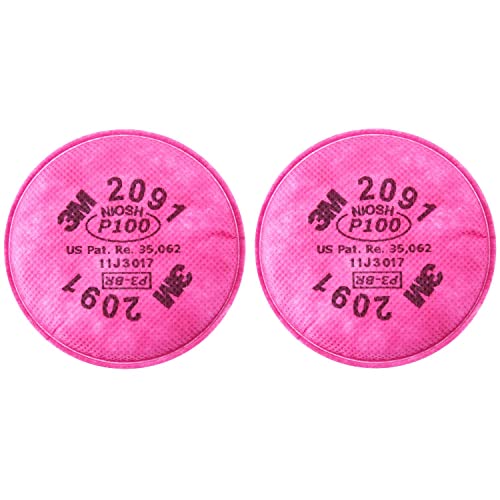
The 3M 2091 P100 is a disposable particulate filter rated at 99.97% efficiency per NIOSH P100 criteria. It is designed to provide lightweight, easy breathing comfort and versatile protection against many oil and non-oil based particulates. This filter is a common choice for welders who need high particulate filtration without gas/vapor protection. Compatible with 3M half and full facepieces that accept P100 disposables.
3M P100 Cartridge/Filter 60923, 1 Pair

The 60923 is a combination cartridge offering P100 particulate protection plus coverage for certain organic vapors and acid gases. NIOSH-approved for specific gases and particulates, it fits 3M half and full facepieces with a bayonet connection and selected Scott adapters. The swept-back design enhances field of view and wearer comfort. This cartridge is suited to welding scenarios where solvent-based coatings or occasional acid gases may be present along with metal fumes.
3M P100 Advanced Respirator Filter 2297, 1 Pair

The 2297 uses advanced electret filter media in three layers to provide NIOSH-approved P100 particle filtration and relief against nuisance-level organic vapors. It is designed for easier breathing compared to some multilayer filters and is recommended for mining, shipbuilding, abatement, utilities, and welding applications. Use with compatible 3M 5000/6000/7000-series facepieces (adaptor may be required for some models).
3M P100 Respirator Filter 7093B, 1 Pair

The 7093B delivers P100 efficiency (99.97%) with a plastic filter encasement designed for higher heat or wet environments. Its channeled airflow protects the filter media for enhanced breathability and extended service life. Specifically referenced for asbestos, mold, silica, grinding, sanding, and welding particulates, it is commonly chosen where durability and sustained performance under tougher conditions are priorities.
3M P100 Respirator Cartridge/Filter 60926, 1 Pair
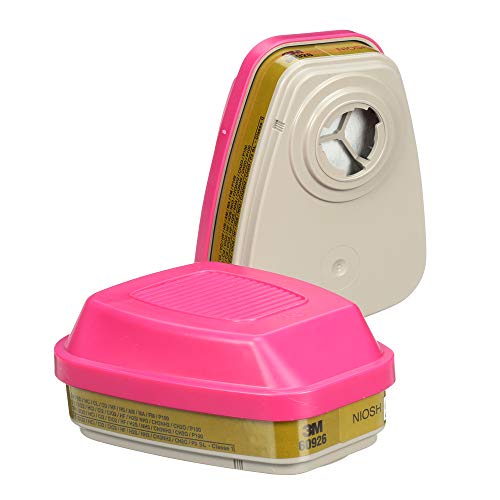
The 60926 is a multi-gas/vapor cartridge combined with P100 particulate protection. NIOSH-approved for a broad list of gases including ammonia, methylamine, formaldehyde, and certain acid gases, it fits 3M bayonet-style half and full facepieces and selected Scott adapters. The swept-back form helps maintain an improved field of view. This cartridge is appropriate when welding occurs near chemical contaminants or when a wider range of gas/vapor protection is needed alongside particulate filtration.
Buying Guide: Choosing The Right 3M Filter For Welding
Selecting the proper filter depends on the welding environment, metals, coatings, and any chemical exposures. Consider the following factors to match a filter to your needs.
1. Particulate Efficiency
For welding fumes, P100 (99.97%) particulate filters are commonly recommended because they capture ultrafine metal fumes and dust. Ensure the filter carries a NIOSH P100 designation for highest particulate capture.
2. Gas And Vapor Hazards
Welders working near solvents, coatings, or chemical residues may need a combination cartridge that includes organic vapor or acid gas protection plus P100 particulates. Identify specific gases present and choose a cartridge NIOSH-approved for those contaminants.
3. Respirator Compatibility
Confirm filter/cartridge compatibility with your facepiece. 3M offers bayonet-style cartridges for 6000/7000/FF-400 series and Secure Click connectors for HF-800. Some filters require an adapter to fit certain models.
4. Comfort And Breathing Resistance
Advanced electret media or channeled airflow designs reduce breathing resistance and increase comfort during extended use. If long shifts are common, prioritize filters advertised for easier breathing or dual-flow designs.
5. Environmental Durability
For hot, humid, or wet conditions, plastic-encased filters protect media and extend service life. Look for filters designed for higher heat or wet applications when conditions demand.
6. Field Of View And Fit
Swept-back cartridge designs can improve peripheral vision. Always perform user seal checks and consider full-face respirators when eye protection from fumes or sparks is also a concern.
7. Intended Use And Regulations
Match the filter to the task: general welding on clean metal often needs P100 particulate-only protection; welding on painted or treated surfaces, or in areas with chemical exposure, may require combination gas/particulate cartridges. Follow employer safety policies and applicable regulations for respiratory protection.
8. Replacement And Storage
Replace disposable filters per manufacturer guidance or when breathing resistance increases or damage occurs. Store cartridges and filters in sealed packaging away from contaminants to preserve service life.
Comparison Perspectives
- Best For Pure Particulate Filtration: Disposable P100 filters like 2091 and 7093B.
- Best For Mixed Chemical Exposure: Combination cartridges 60923 or 60926 provide particulate plus gas/vapor protection.
- Best For Comfort: Advanced media 2297 or dual-flow Secure Click cartridges target lower breathing resistance.
- Best For Harsh Conditions: Encased filters (7093B) resist heat and moisture better than standard disposables.
When selecting a filter, verify NIOSH approvals, ensure facepiece compatibility, and choose the level of chemical protection required for your welding environment. Proper selection helps maintain respiratory safety while preserving comfort and visibility on the job.